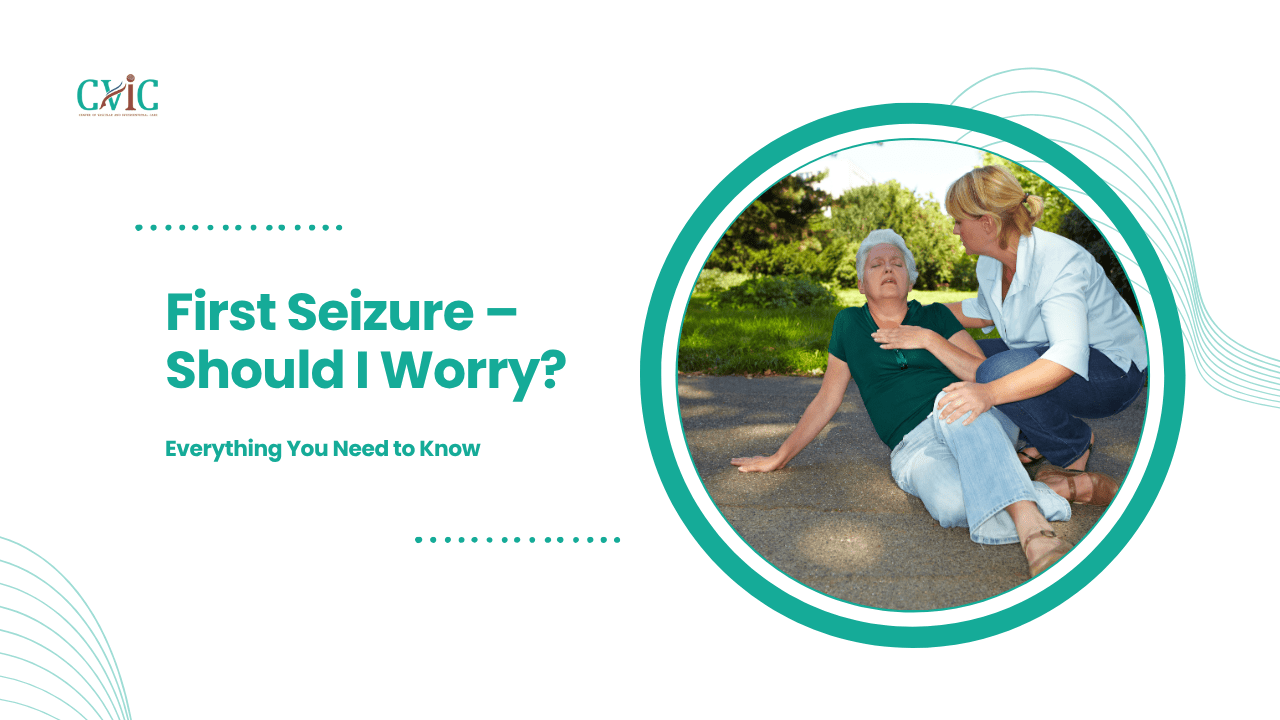
Picture this — you are sitting at home, going about your normal day, when suddenly a family member collapses. Their body starts shaking uncontrollably, their eyes roll back, and they are completely unresponsive for what feels like an eternity — though it may only be a minute or two. Then, just as suddenly as it started, it stops. They are confused, exhausted, and have no memory of what just happened.
You are terrified. You have just witnessed a seizure for the first time.
Or perhaps it happened to you — you woke up on the floor with no idea how you got there, with a bitten tongue, sore muscles, and a splitting headache.
The question that immediately follows is almost always the same: Should I worry? Does this mean I have epilepsy? Will it happen again? Is something seriously wrong with my brain?
These are completely valid questions — and they deserve honest, clear answers.
In this blog, the expert neurology team at CVIC Indore — including Dr. Alok K Udiya, Dr. Shailesh Gupta, and Dr. Nishant Bhargava — explains everything you need to know about a first seizure — what it means, what causes it, when to worry, and what steps to take next.
What Exactly Is a Seizure?
A seizure is a sudden, uncontrolled burst of abnormal electrical activity in the brain. Think of the brain as a complex electrical circuit — millions of neurons firing in precise, coordinated patterns every second. A seizure happens when this electrical activity goes haywire — too many neurons firing at once, in an uncoordinated way.
Depending on where in the brain this abnormal activity occurs and how widely it spreads, a seizure can look very different from person to person:
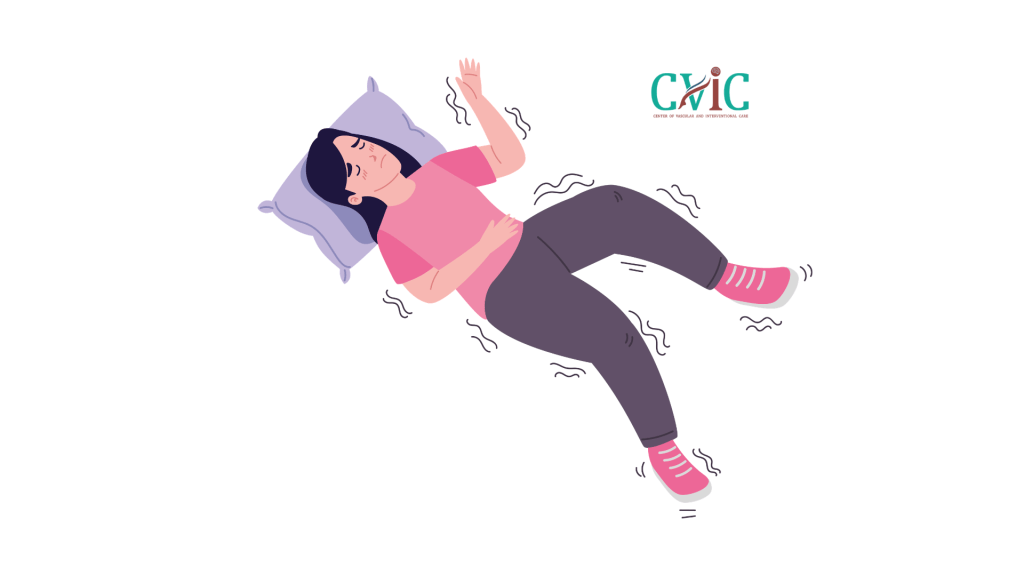
- Generalized tonic-clonic seizure (Grand Mal): The most dramatic type — the person loses consciousness, falls, the entire body stiffens (tonic phase), then jerks rhythmically (clonic phase). May last 1–3 minutes.
- Absence seizure: A brief “staring spell” — the person goes blank for a few seconds, then resumes activity with no memory of the episode. Common in children.
- Focal (partial) seizure: Abnormal activity in just one part of the brain — may cause twitching of one arm or leg, unusual sensations, or a strange smell or taste, without loss of consciousness.
- Focal to bilateral seizure: Starts in one area and spreads to both sides of the brain, eventually resembling a generalized seizure.
- Atonic seizure (Drop attack): Sudden loss of muscle tone — the person collapses suddenly.
- Myoclonic seizure: Brief, sudden jerks of a muscle or group of muscles.
Understanding what type of seizure occurred is the first step in figuring out its cause and what to do next.
Also Read: Symptoms Before Brain Aneurysm Rupture: What You Must Never Ignore
First Seizure — How Common Is It?
You are not alone. A first unprovoked seizure is more common than most people realize. Studies suggest that approximately 1 in 10 people will experience at least one seizure in their lifetime. In India, epilepsy affects around 12 million people — making it one of the most common neurological conditions in the country.
However — and this is important — having one seizure does not automatically mean you have epilepsy. Epilepsy is defined as having two or more unprovoked seizures occurring more than 24 hours apart, or one seizure with a high risk of recurrence. A single first seizure is evaluated carefully before any diagnosis of epilepsy is made.
Provoked vs. Unprovoked Seizures — A Crucial Distinction
The very first question your neurologist will ask after a first seizure is: Was this seizure provoked or unprovoked?
Provoked Seizure
A provoked seizure has a clear, identifiable trigger — a temporary condition that caused the brain to seize. Common causes include:
- Very high fever (febrile seizure — especially in young children)
- Low blood sugar (hypoglycemia)
- Low sodium or electrolyte imbalance
- Alcohol withdrawal — a seizure occurring 6–48 hours after stopping heavy, prolonged alcohol use
- Drug toxicity or overdose
- Head injury — seizure occurring shortly after trauma
- Severe sleep deprivation
- Eclampsia — seizures during pregnancy due to high blood pressure
In provoked seizures, if the underlying cause is treated and does not recur, the seizure may never happen again. The risk of developing epilepsy after a single provoked seizure is relatively low.
Unprovoked Seizure
An unprovoked seizure occurs without any obvious immediate trigger. The brain simply generates an abnormal electrical discharge on its own. This type requires more thorough investigation — because it may be the first sign of epilepsy, or it may indicate an underlying structural brain condition.
Also Read: Memory Loss – Normal or Serious? A Complete Guide by CVIC Indore
What Causes a First Unprovoked Seizure?
When a first seizure occurs without an obvious trigger, doctors look for underlying causes. The causes of first seizure can vary widely by age group:
In Children
- Febrile seizures — the most common type in children aged 6 months to 5 years, triggered by fever. Usually benign and outgrown.
- Genetic epilepsy syndromes — some children are born with a predisposition to seizures due to genetic factors
- Brain developmental abnormalities — structural differences in brain development present from birth
- Metabolic disorders — rare inherited conditions affecting brain chemistry
In Young Adults (15–35 years)
- Genetic/idiopathic epilepsy — no structural cause found; likely genetic predisposition
- Head trauma — previous brain injury, even months or years earlier, can trigger seizures
- Brain tumor — a growing tumor can irritate surrounding brain tissue and trigger seizures
- Brain infections — encephalitis (brain inflammation) or meningitis
- Cerebral venous sinus thrombosis (CVST) — blood clot in brain veins, more common in young women
- Arteriovenous malformation (AVM) — abnormal tangle of blood vessels in the brain that can bleed and trigger seizures
- Substance abuse — certain drugs lower the seizure threshold
In Middle-Aged Adults (35–60 years)
- Brain tumor — both primary tumors and metastases from other cancers
- Stroke — both acute strokes and old stroke scars can trigger seizures
- Brain abscess
- Alcohol-related — either withdrawal or chronic alcohol damage to the brain
- Metabolic causes — kidney failure, liver failure, or severe electrolyte imbalance
In Older Adults (60+ years)
- Stroke — the most common cause of new-onset epilepsy in the elderly
- Brain tumor or metastatic cancer
- Alzheimer’s disease and other dementias — seizures are more common in advanced dementia
- Subdural hematoma — often following a fall
Dr. Alok K Udiya at CVIC Indore emphasizes: “The cause of a first seizure is strongly influenced by the patient’s age. A first seizure in a 7-year-old child is very different from a first seizure in a 65-year-old adult. The evaluation must be tailored accordingly.”
Also Read: Causes of Epilepsy: A Complete Guide by CVIC Indore
Should You Worry After a First Seizure?
The honest answer is — yes, you should take it seriously, but no, you should not panic.
Here’s why taking it seriously matters:
- A first seizure can be the first sign of a brain tumor, stroke, brain infection, or vascular abnormality — all of which need early treatment
- A seizure itself carries risks — injury from falling, aspiration of vomit, or in rare cases, prolonged seizures that become life-threatening (status epilepticus)
- Even if the first seizure is benign, the risk of a second seizure within 2 years is approximately 40–50% for unprovoked seizures — meaning close follow-up is essential
- Driving, swimming, working at heights, and operating heavy machinery are dangerous after a first seizure — until a neurologist clears you
Here’s why you should not panic:
- Many first seizures are isolated events — they never happen again, especially if a treatable underlying cause is found and corrected
- Even if epilepsy is diagnosed, 70% of people with epilepsy achieve complete seizure control with medication
- Modern anti-epileptic medications are effective, well-tolerated, and widely available
- Many people with well-controlled epilepsy lead completely normal lives
What to Do During a Seizure — A Guide for Bystanders
If you witness someone having a seizure, here is what to do — and what NOT to do:
DO:
- Stay calm and stay with the person
- Time the seizure — note when it started
- Gently guide them to the floor if they are standing
- Place something soft under their head
- Turn them onto their side (recovery position) to prevent choking
- Loosen any tight clothing around the neck
- Clear the area of hard or sharp objects
- Stay with them until they are fully conscious and oriented
DO NOT:
- Do NOT restrain their movements — this can cause injury
- Do NOT put anything in their mouth — contrary to popular belief, people cannot swallow their tongue during a seizure. Putting objects in the mouth is dangerous.
- Do NOT give water, food, or medication until they are fully awake
- Do NOT leave them alone
Call emergency services (112) immediately if:
- The seizure lasts more than 5 minutes (this is called status epilepticus — a medical emergency)
- The person does not regain consciousness after the seizure stops
- Another seizure begins shortly after the first
- The person is injured during the seizure
- The person is pregnant
- The seizure occurred in water
- This is a first-ever seizure — always seek medical evaluation after a first seizure
What Happens After a First Seizure — The Medical Evaluation
After a first seizure, a thorough medical evaluation is essential. At CVIC Indore, Dr. Shailesh Gupta and the neurology team follow a comprehensive protocol:
Detailed History
The neurologist will ask about:
- Exactly what happened before, during, and after the seizure (often from a witness)
- Any warning signs before the seizure — unusual smells, visual changes, déjà vu, rising feeling in the stomach
- How long the seizure lasted and what it looked like
- Any history of similar episodes in the past
- Family history of epilepsy or seizures
- Medical history — head injuries, brain infections, stroke, cancer
- Medications and substance use
- Sleep patterns, stress levels, and recent illness
Physical and Neurological Examination
A thorough examination to look for any signs of brain injury, infection, or structural abnormality.
Blood Tests
To check blood sugar, electrolytes, kidney and liver function, calcium, magnesium, and drug levels — all of which can cause provoked seizures if abnormal.
EEG (Electroencephalogram)
An EEG records the electrical activity of the brain through electrodes placed on the scalp. It can detect abnormal electrical patterns that indicate a tendency toward seizures, and help classify the type of epilepsy. Importantly, a normal EEG does not rule out epilepsy — and the timing of the EEG relative to the seizure matters.
MRI Brain
MRI is the most important imaging test after a first unprovoked seizure. It can detect:
- Brain tumors
- Stroke or old infarcts
- Cortical dysplasia (abnormal brain development)
- Hippocampal sclerosis (scarring in the temporal lobe — a common cause of temporal lobe epilepsy)
- Brain infections
- Vascular malformations (AVMs, cavernomas)
Dr. Nishant Bhargava at CVIC Indore notes: “MRI is non-negotiable after a first unprovoked seizure in an adult. We have found significant structural abnormalities — including tumors and vascular malformations — in patients who had what seemed like a ‘routine’ first seizure. Early detection changes everything.”
CT Scan
In emergency settings, a CT scan is done first to rule out urgent conditions like bleeding or a large mass.
Lumbar Puncture (Spinal Tap)
If meningitis or encephalitis (brain infection/inflammation) is suspected, a lumbar puncture may be performed to analyze the cerebrospinal fluid.
When Is Anti-Epileptic Medication Started?
Not every person who has a first seizure needs to start anti-epileptic medication immediately. The decision depends on:
- Whether the seizure was provoked or unprovoked
- The results of EEG and MRI
- The risk of recurrence (based on seizure type, age, findings on investigations)
- The patient’s lifestyle — occupation, driving, activities involving risk
- The patient’s own wishes after being counseled about risks and benefits
In general, medication is more likely to be recommended after a first seizure if:
- The EEG shows epileptiform activity (abnormal electrical patterns)
- The MRI shows a structural brain abnormality
- The seizure was prolonged or severe
- The person has a neurological condition or family history that increases recurrence risk
For provoked seizures where the underlying cause is corrected, medication may not be needed at all.
Life After a First Seizure — Practical Guidance
A first seizure can feel like a life-altering event. Here are some important practical points:
Driving In India, as per medical guidelines, a person who has had a seizure should not drive until they have been seizure-free for a recommended period (typically at least 1 year for private vehicles, longer for commercial driving). Your neurologist at CVIC Indore will advise you specifically based on your situation.
Work and Activities Avoid working at heights, operating heavy machinery, swimming alone, or any activity where a sudden loss of consciousness could be life-threatening — until your neurologist gives you the all-clear.
Sleep and Lifestyle Sleep deprivation is one of the strongest triggers for seizures. Prioritize adequate, regular sleep. Avoid excessive alcohol. Manage stress through exercise, yoga, or meditation. Take medications as prescribed without skipping doses.
Informing Others It helps to inform a trusted person at work or school about your condition — so they know what to do if a seizure occurs. This is not about stigma — it is about safety.
Mental Health A first seizure diagnosis can be emotionally overwhelming. Anxiety and depression are common among people with new seizure diagnoses. Don’t hesitate to discuss these feelings with your doctor — psychological support is an important part of comprehensive epilepsy care.
First Seizure in Indore — Don’t Delay Evaluation
In Indore, stigma around epilepsy and seizures remains a significant barrier to care. Many families delay seeking medical attention — either out of fear, denial, or the mistaken belief that a seizure was a “one-time thing” that doesn’t need investigation.
CVIC (Comprehensive Vascular and Interventional Centre), Indore provides comprehensive, compassionate evaluation for first seizures and epilepsy. With advanced MRI and EEG capabilities, and a team of experienced neurologists — Dr. Alok K Udiya, Dr. Shailesh Gupta, and Dr. Nishant Bhargava — CVIC Indore is the trusted destination for neurological care across Madhya Pradesh.
Every first seizure deserves a thorough evaluation. The goal is not to frighten patients — it is to find answers, rule out serious causes, assess recurrence risk, and create the best possible plan for a safe, healthy life going forward.
Conclusion: A First Seizure Is a Signal — Not a Sentence
A first seizure is alarming. But it is not a death sentence, and it is not automatically a lifelong condition. It is a signal from your brain that something needs to be checked — and the sooner it is checked, the better.
With the right evaluation, many people who have a first seizure find a treatable cause, receive appropriate management, and go on to live completely normal lives. Even those diagnosed with epilepsy can, in most cases, achieve excellent seizure control with modern treatment.
The key is not to ignore it, not to self-diagnose, and not to let fear or stigma prevent you from getting the answers you need.
At CVIC Indore, Dr. Alok K Udiya, Dr. Shailesh Gupta, and Dr. Nishant Bhargava are here to provide exactly those answers — with expertise, compassion, and the most advanced diagnostic tools available in central India.
If you or a loved one has had a first seizure — contact CVIC Indore today. Your brain health cannot wait.
CVIC Indore — Comprehensive Vascular & Interventional Centre Expert Epilepsy & Seizure Evaluation | Advanced EEG & MRI | Compassionate Neurological Care
For appointments and inquiries, contact CVIC Indore today.
Disclaimer: This blog is for educational purposes only and does not replace professional medical advice, diagnosis, or treatment. Always consult a qualified neurologist or medical professional for any health concerns.