

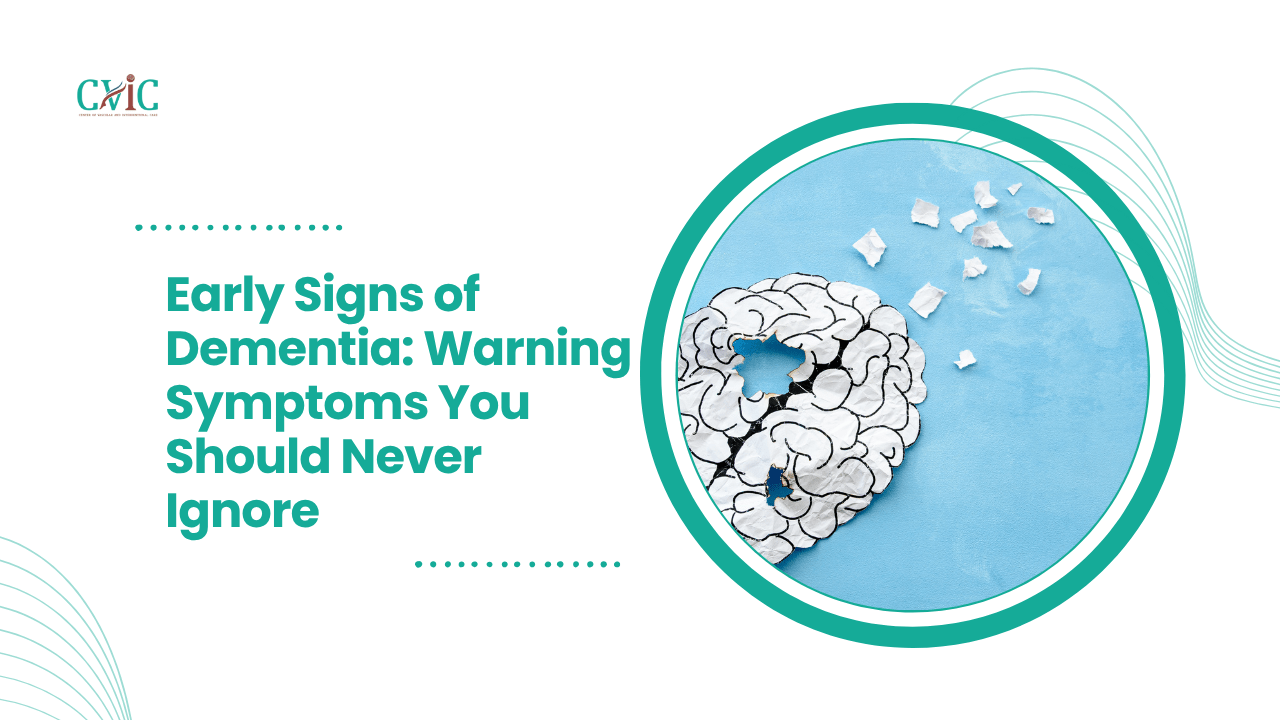
Many people believe that memory loss is a normal part of aging. While occasional forgetfulness can happen to anyone, persistent memory problems and changes in thinking abilities may be early signs of a more serious condition called Dementia.
Recognizing the Early Signs of Dementia is extremely important because early diagnosis can help patients receive timely treatment, manage symptoms more effectively, and maintain a better quality of life. Unfortunately, many families ignore the warning signs, assuming that aging is the only cause.
Dementia affects millions of people worldwide and is becoming increasingly common in India due to longer life expectancy and lifestyle-related health conditions. Early identification can make a significant difference in slowing disease progression and helping patients remain independent for longer periods.
At CVIC Indore, experienced specialists including Dr. Alok K Udiya, Dr. Shailesh Gupta, and Dr. Nishant Bhargava provide comprehensive neurological evaluation and advanced diagnostic services for patients experiencing memory-related concerns.
In this article, we will discuss the Early Signs of Dementia, causes, risk factors, diagnosis, treatment options, and when to seek medical help.
What Is Dementia?
Dementia is not a single disease. It is a group of symptoms that affect:
- Memory
- Thinking abilities
- Language skills
- Problem-solving
- Judgment
- Daily functioning
These symptoms become severe enough to interfere with everyday life.
The most common type of dementia is Alzheimer’s disease, but there are several other forms including:
- Vascular Dementia
- Lewy Body Dementia
- Frontotemporal Dementia
- Mixed Dementia
Dementia develops gradually, which is why recognizing early warning signs is essential.
Also Read: Memory Loss – Normal or Serious? A Complete Guide by CVIC Indore
Why Early Detection Matters
Many people ignore the initial symptoms because they seem minor. However, early diagnosis offers several benefits:
Better Treatment Planning
Doctors can start medications and therapies sooner.
Slower Disease Progression
Some treatments may help manage symptoms and slow decline.
Improved Quality of Life
Patients can maintain independence longer.
Family Preparation
Families can make informed decisions regarding future care.
Management of Underlying Conditions
Certain medical conditions can worsen cognitive decline and require treatment.
Also Read: What Causes Alzheimer’s Disease? Science Finally Has Some Answers
Early Signs of Dementia
Below are the most common warning signs that should never be ignored.
1. Memory Loss That Disrupts Daily Life
This is often the first noticeable symptom.
A person may:
- Forget recent conversations
- Miss appointments
- Ask the same questions repeatedly
- Misplace important items frequently
For example, forgetting where you parked your car occasionally is normal. Forgetting that you drove somewhere altogether is more concerning.
2. Difficulty Finding the Right Words
People with early dementia often struggle during conversations.
They may:
- Pause frequently while speaking
- Forget common words
- Use incorrect words
- Have trouble following conversations
This can lead to frustration and social withdrawal.
3. Confusion About Time and Place
Individuals may become confused about:
- Dates
- Seasons
- Current location
- Scheduled events
They might forget how they arrived somewhere or lose track of time.
4. Difficulty Completing Familiar Tasks
Routine activities suddenly become challenging.
Examples include:
- Paying bills
- Cooking familiar recipes
- Operating household appliances
- Driving familiar routes
These difficulties occur because the brain struggles to process information effectively.
5. Poor Judgment and Decision-Making
One of the important Early Signs of Dementia is impaired judgment.
Patients may:
- Spend money irresponsibly
- Fall for scams
- Neglect personal hygiene
- Make unusual decisions
Family members often notice these changes first.
Also Read: 10 Early Warning Signs of Alzheimer’s Disease You Should Never Ignore
6. Changes in Mood and Personality
Behavioral changes may appear before severe memory problems.
Patients may become:
- Irritable
- Anxious
- Suspicious
- Depressed
- Easily upset
Some individuals who were previously outgoing may suddenly become withdrawn.
7. Difficulty Planning and Problem Solving
Complex tasks become increasingly difficult.
Examples include:
- Managing finances
- Following instructions
- Organizing activities
- Making decisions
This symptom often affects work performance and daily responsibilities.
8. Misplacing Items Frequently
Everyone loses things occasionally.
However, people with dementia may:
- Put objects in unusual places
- Forget where they placed them
- Accuse others of stealing
This behavior becomes more common as the condition progresses.
9. Reduced Interest in Social Activities
Patients may stop participating in:
- Family gatherings
- Community events
- Hobbies
- Social interactions
This withdrawal often occurs because communication becomes challenging.
10. Trouble Understanding Visual Information
Some forms of dementia affect visual processing.
Symptoms include:
- Difficulty judging distance
- Problems recognizing faces
- Trouble reading
- Difficulty identifying objects
These issues can increase the risk of falls and accidents.
Difference Between Normal Aging and Dementia
| Normal Aging | Dementia |
|---|---|
| Occasionally forgetting names | Frequently forgetting close family members |
| Missing a payment once | Unable to manage finances |
| Forgetting where keys are | Forgetting what keys are used for |
| Needing reminders | Complete dependence on others |
| Minor memory lapses | Significant memory decline |
Understanding this distinction helps families seek help when necessary.
Causes of Dementia
Several conditions can cause dementia.
Alzheimer’s Disease
The most common cause worldwide.
Vascular Dementia
Results from reduced blood flow to the brain, often due to strokes.
Lewy Body Dementia
Associated with abnormal protein deposits in brain cells.
Frontotemporal Dementia
Affects personality, behavior, and language.
Parkinson’s Disease Dementia
Some Parkinson’s patients develop cognitive impairment over time.
Risk Factors for Dementia
Several factors increase the risk.
Age
Risk rises significantly after age 65.
Family History
Genetics can play a role.
High Blood Pressure
Poor vascular health can damage brain tissue.
Diabetes
Uncontrolled diabetes increases dementia risk.
Smoking
Reduces blood flow to the brain.
Obesity
Associated with cognitive decline.
Physical Inactivity
Regular exercise supports brain health.
Stroke History
Previous strokes increase dementia risk.
Early Signs of Dementia in Younger Adults
Although dementia is more common in older adults, it can occur before age 65.
Warning signs include:
- Workplace performance issues
- Difficulty multitasking
- Personality changes
- Memory problems
- Language difficulties
Younger individuals are often diagnosed later because symptoms are mistaken for stress or depression.
How Dementia Is Diagnosed
At CVIC Indore, neurological specialists use a comprehensive approach.
Medical History
Doctors evaluate symptoms and family history.
Cognitive Assessment
Memory and thinking tests measure brain function.
Neurological Examination
Checks balance, reflexes, coordination, and nervous system function.
Brain Imaging
Imaging studies help identify structural changes.
Common tests include:
- CT Scan
- MRI Scan
Blood Tests
Help rule out other conditions causing memory issues.
Treatment Options for Dementia
Although dementia currently has no complete cure, treatment can help manage symptoms.
Medications
Certain medications may improve memory and cognitive function temporarily.
Cognitive Therapy
Mental exercises help maintain brain function.
Physical Activity
Regular exercise improves blood flow and brain health.
Lifestyle Modification
Healthy habits support overall cognitive well-being.
Foods That Support Brain Health
A balanced diet can help maintain cognitive function.
Recommended Foods
- Green leafy vegetables
- Berries
- Nuts
- Fish rich in omega-3 fatty acids
- Whole grains
- Olive oil
Foods to Limit
- Processed foods
- Sugary drinks
- Excessive alcohol
- Trans fats
Can Dementia Be Prevented?
There is no guaranteed prevention method, but healthy lifestyle choices may reduce risk.
Prevention Tips
- Control blood pressure
- Manage diabetes
- Exercise regularly
- Stay mentally active
- Get quality sleep
- Avoid smoking
- Limit alcohol
- Maintain social connections
When Should You See a Doctor?
Seek medical evaluation if you or a loved one experiences:
- Persistent memory loss
- Confusion
- Personality changes
- Difficulty performing daily tasks
- Language problems
- Frequent disorientation
Early diagnosis leads to better management and planning.
Advanced Neurological Care at CVIC Indore
If you notice any Early Signs of Dementia, timely consultation is essential.
At CVIC Indore, patients receive expert neurological assessment from experienced specialists including:
- Dr. Alok K Udiya
- Dr. Shailesh Gupta
- Dr. Nishant Bhargava
The center offers advanced diagnostic services and personalized treatment plans aimed at improving patient outcomes and quality of life.
Early intervention can help identify underlying causes, manage symptoms, and provide valuable guidance for patients and families.
Frequently Asked Questions (FAQs)
1. What are the earliest signs of dementia?
Memory loss, confusion, difficulty finding words, and changes in judgment are common early symptoms.
2. Is dementia a normal part of aging?
No. While mild forgetfulness can occur with aging, dementia causes significant cognitive decline.
3. Can dementia be treated?
There is no complete cure, but treatments can help manage symptoms and improve quality of life.
4. What is the most common type of dementia?
Alzheimer’s disease is the most common form of dementia.
5. Can younger people develop dementia?
Yes. Early-onset dementia can occur before age 65.
6. Does memory loss always mean dementia?
No. Stress, depression, vitamin deficiencies, and other conditions can also cause memory problems.
7. Which doctor treats dementia?
Neurologists specialize in diagnosing and treating dementia-related conditions.
8. Can lifestyle changes reduce dementia risk?
Healthy diet, exercise, mental activity, and controlling chronic diseases may help reduce risk.
9. How is dementia diagnosed?
Doctors use cognitive tests, neurological exams, brain imaging, and blood tests.
10. When should I seek medical help?
Any persistent memory problems, confusion, or behavioral changes should be evaluated promptly.
Conclusion
Recognizing the Early Signs of Dementia can make a life-changing difference for patients and families. Symptoms such as memory loss, confusion, language difficulties, poor judgment, and personality changes should never be ignored. Early diagnosis allows timely treatment, better symptom management, and improved quality of life.
If you or a loved one is experiencing warning signs of cognitive decline, consult the neurological experts at CVIC Indore. With guidance from Dr. Alok K Udiya, Dr. Shailesh Gupta, and Dr. Nishant Bhargava, patients can receive comprehensive evaluation and advanced neurological care tailored to their needs.