Alzheimer’s Disease is one of the most common and serious brain disorders affecting millions of people worldwide. It mainly impacts memory, thinking ability, and behavior. Over time, it can interfere with daily life, relationships, and independence.
For many years, scientists were unsure about the exact causes of Alzheimer’s Disease. But today, thanks to advanced research, medical science has discovered many important clues about what actually happens inside the brain.
At CVIC Indore, specialists like Dr. Alok K Udiya, Dr. Shailesh Gupta, and Dr. Nishant Bhargava focus on early diagnosis and advanced care for neurological conditions, helping patients manage symptoms and improve quality of life.
In this detailed blog, we will explain in simple English:
- What Alzheimer’s Disease is
- What causes it
- What science has recently discovered
- Risk factors and prevention
- Treatment and future hope
What is Alzheimer’s Disease?
Alzheimer’s Disease is a progressive brain disorder. This means it slowly gets worse over time. It damages brain cells and affects communication between neurons (brain cells).
Key Symptoms:
- Memory loss (especially recent events)
- Confusion and disorientation
- Difficulty speaking or understanding
- Mood and behavior changes
- Trouble performing daily tasks
It is the most common cause of dementia, especially in people above 60 years.
Also Read: 10 Early Warning Signs of Alzheimer’s Disease You Should Never Ignore
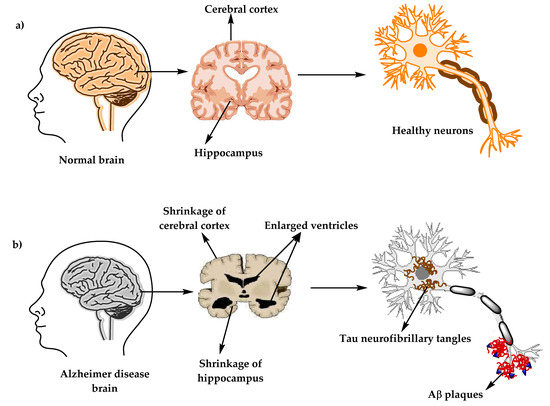
How Does Alzheimer’s Affect the Brain?
In Alzheimer’s Disease, the brain undergoes several physical and chemical changes:
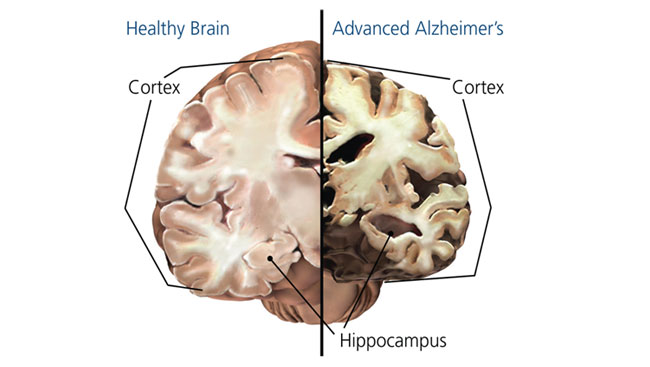
1. Brain Shrinkage
The brain becomes smaller due to the death of neurons.
2. Loss of Connections
Neurons lose their ability to communicate with each other.
3. Damage to Memory Centers
The hippocampus (memory center) is affected first.
4. Spread of Damage
Over time, the damage spreads to other parts of the brain.
Main Causes of Alzheimer’s Disease (According to Science)
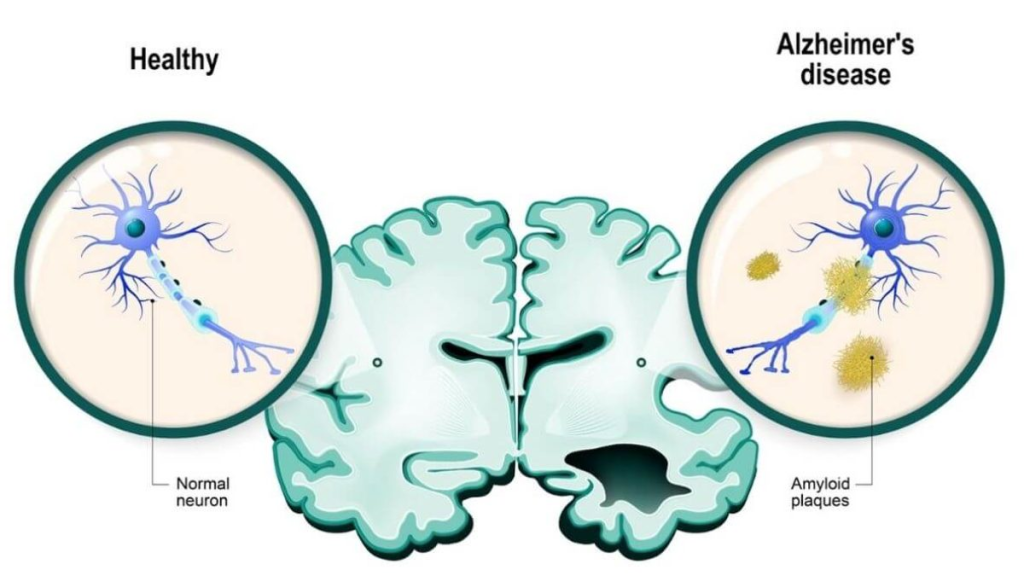
1. Amyloid Plaques (Protein Build-up)
One of the biggest discoveries in Alzheimer’s research is the presence of amyloid plaques.
These are sticky protein clumps that build up between brain cells and block communication.
Think of it like traffic jams in the brain.
2. Tau Tangles (Inside Brain Cells)
Another major cause is tau protein tangles.
- Tau proteins normally support brain cell structure
- In Alzheimer’s, they twist and form tangles
- This leads to cell death
It’s like wires getting tangled and stopping electricity.
Also Read: What Treatment Options Are Available for Neurological Disorders?
Genetic Causes of Alzheimer’s Disease
1. Family History
If someone in your family has Alzheimer’s, your risk may increase.
2. APOE Gene
Scientists found a gene called APOE-e4 that increases risk.
But having this gene does NOT mean you will definitely get the disease.
Age – The Biggest Risk Factor
Age is the most important risk factor.
- Most people develop Alzheimer’s after 65
- Risk doubles every 5 years after 65
However, early-onset Alzheimer’s can happen before 60 (rare cases).
Lifestyle Factors That Increase Risk
Modern research shows that lifestyle plays a major role.
1. Poor Diet
High sugar, junk food, and processed food damage brain health.
2. Lack of Exercise
Physical inactivity reduces blood flow to the brain.
3. Smoking and Alcohol
These increase inflammation and brain damage.
4. Poor Sleep
Sleep helps remove toxins from the brain.
5. Stress and Depression
Long-term stress affects memory and brain function.
Medical Conditions Linked to Alzheimer’s
1. High Blood Pressure
Damages brain blood vessels.
2. Diabetes
Affects brain metabolism.
3. Obesity
Increases inflammation.
4. Heart Disease
Reduces oxygen supply to the brain.
New Scientific Discoveries About Alzheimer’s
Science has recently found several new possible causes:
1. Brain Inflammation
The immune system in the brain becomes overactive and damages cells.
2. Blood-Brain Barrier Damage
This barrier protects the brain. When damaged, harmful substances enter.
3. Insulin Resistance in Brain
Some experts call Alzheimer’s “Type 3 Diabetes”.
4. Gut-Brain Connection
Gut health may influence brain health through bacteria.
Early Warning Signs You Should Not Ignore
- Forgetting recent conversations
- Misplacing items often
- Difficulty finding words
- Getting lost in familiar places
- Changes in personality
Early diagnosis is very important.
At CVIC Indore, doctors like Dr. Alok K Udiya and Dr. Nishant Bhargava help in identifying neurological symptoms early.
Also Read: Top Neuro Doctor in Indore: Expert Neurological Care for Better Health
How Alzheimer’s is Diagnosed
Doctors use:
- Memory tests
- Brain imaging (MRI/CT scan)
- Blood tests
- Neurological exams
Early diagnosis helps slow down progression.
Can Alzheimer’s Be Prevented?
There is no guaranteed prevention, but risk can be reduced.
Healthy Habits:
- Regular exercise
- Balanced diet (Mediterranean diet)
- Mental activities (reading, puzzles)
- Social interaction
- Good sleep
Treatment Options Available
1. Medications
Help manage symptoms but do not cure the disease.
2. Therapy
Cognitive therapy helps memory and behavior.
3. Lifestyle Changes
Diet and routine improve quality of life.
At CVIC Indore, experts like Dr. Shailesh Gupta provide guidance for long-term care.
Future of Alzheimer’s Treatment
Science is moving fast.
New Treatments Being Studied:
- Anti-amyloid drugs
- Gene therapy
- Brain stimulation
- Vaccines
These may slow or even prevent Alzheimer’s in the future.
Emotional and Family Impact
Alzheimer’s does not only affect the patient—it affects the whole family.
Caregivers often experience:
- Stress
- Emotional pain
- Financial burden
Support and awareness are very important.
Conclusion
Alzheimer’s Disease is complex, but science is finally giving us answers.
Main causes include:
- Amyloid plaques
- Tau tangles
- Genetics
- Lifestyle factors
- Brain inflammation
While there is no cure yet, early detection and proper care can significantly improve life quality.
With expert care at CVIC Indore and guidance from doctors like Dr. Alok K Udiya, Dr. Shailesh Gupta, and Dr. Nishant Bhargava, patients can manage the condition better and live with dignity.
FAQs
1. What is the main cause of Alzheimer’s Disease?
The main causes are amyloid plaques and tau tangles in the brain.
2. Can Alzheimer’s be cured?
No, but treatments can slow symptoms.
3. At what age does Alzheimer’s start?
Usually after 65, but early cases can happen.
4. Is Alzheimer’s genetic?
Sometimes, but not always.
5. How to reduce risk?
Healthy lifestyle, exercise, mental activity, and good diet help reduce risk.