Epilepsy is one of the oldest known medical conditions in the world. It has been recorded in history for thousands of years, yet many people still do not fully understand it. Today, epilepsy affects millions of people across the globe, including children, adults, and the elderly. Despite being so common, it remains surrounded by myths, fear, and misunderstanding.
The truth is, epilepsy is a medical condition just like diabetes or high blood pressure. It can be managed, controlled, and in many cases, even cured with the right diagnosis and treatment. But to treat epilepsy properly, we must first understand its causes. Knowing the Causes of Epilepsy helps patients, families, and doctors take the right steps for prevention, treatment, and recovery.
In this detailed blog, we will explain in simple English everything about the Causes of Epilepsy. You will learn what epilepsy is, why it happens, what triggers it, and how it can be treated. We will also share how the expert team at CVIC Indore, including Dr. Alok K Udiya, Dr. Shailesh Gupta, and Dr. Nishant Bhargava, helps patients live a normal life despite epilepsy through advanced and personalized care.
What is Epilepsy?
Epilepsy is a long-term brain condition where a person has repeated seizures. A seizure is a sudden burst of abnormal electrical activity in the brain. Just like a sudden electrical short circuit in a house, this burst can cause changes in behavior, movements, feelings, or consciousness for a short period.
Not every seizure means epilepsy. A person is said to have epilepsy only when they have two or more unprovoked seizures, meaning seizures that happen without an obvious cause like fever or head injury at that moment.
There are many types of seizures, and they affect people differently. Some seizures cause uncontrolled shaking of the body, while others cause brief moments of staring or confusion. Some last seconds, others last minutes.
Dr. Alok K Udiya at CVIC Indore explains that epilepsy is not a single disease. It is a group of conditions where the brain is more likely to send abnormal electrical signals. The good news is that with proper care, most people with epilepsy can live full, active, and happy lives.
Also Read: What Treatment Options Are Available for Neurological Disorders?
How Common is Epilepsy?
Epilepsy is one of the most common neurological conditions in the world. Around 50 million people across the globe live with epilepsy, and India alone has more than 12 million patients. About 1 in every 100 people may develop epilepsy at some point in life.
Epilepsy can begin at any age. It is most often seen in young children and people above the age of 60, but it can affect anyone. Both men and women are equally at risk.
Even though epilepsy is common, many people still hide it due to fear of social stigma. This delays diagnosis and treatment. The team at CVIC Indore strongly believes that awareness is the first step toward better care. Dr. Shailesh Gupta and Dr. Nishant Bhargava regularly conduct awareness sessions to remove the myths and fear surrounding epilepsy.
Also Read: Top Neuro Doctor in Indore: Expert Neurological Care for Better Health
How the Brain Works in Epilepsy
To understand the Causes of Epilepsy, it helps to know how the brain works. The brain is made up of billions of cells called neurons. These neurons talk to each other through electrical signals. Normally, these signals flow in a smooth and organized way, helping us think, move, feel, and behave.
In epilepsy, this normal flow gets disturbed. The neurons start firing electrical signals in an uncontrolled or excessive way. This sudden electrical storm in the brain causes a seizure. Depending on which part of the brain is affected, the symptoms can vary widely.
When this disturbance keeps happening again and again, doctors call it epilepsy. The challenge is to find why the brain is firing these abnormal signals in the first place, and that is where the search for Causes of Epilepsy begins.
Also Read: Understanding Your Brain and Neurological Health | CVIC Vascular
Major Causes of Epilepsy
There is no single cause of epilepsy. In fact, in nearly half of all cases, the exact cause is unknown. But in many cases, certain conditions, events, or factors can lead to epilepsy. Let us explore the main causes in simple words.
1. Genetic Factors
Genetics plays a big role in some types of epilepsy. If someone in your family has epilepsy, you may have a slightly higher chance of developing it. Researchers have discovered many genes linked to different types of epilepsy.
However, having an epilepsy gene does not always mean you will develop the condition. Many other factors also play a role. Genetic epilepsy often starts in childhood or teenage years.
Dr. Alok K Udiya at CVIC Indore explains that knowing the family history helps doctors choose the right tests and treatment plan.
2. Brain Injury or Head Trauma
A serious head injury is one of the most common Causes of Epilepsy in adults. Accidents, falls, sports injuries, or any strong hit to the head can damage brain tissue. This damage can lead to seizures, either soon after the injury or even years later. This is called post-traumatic epilepsy.
Wearing helmets while riding, using seat belts in cars, and avoiding risky activities can prevent many such injuries.
3. Stroke
Stroke is a leading cause of epilepsy in older adults. When blood supply to a part of the brain is suddenly blocked or when a blood vessel bursts, brain cells get damaged. This damage can lead to scar tissue in the brain, which may trigger seizures later.
CVIC Indore is well-known for advanced stroke care, helping patients prevent long-term complications including epilepsy. Dr. Nishant Bhargava performs interventional procedures that protect brain tissue and reduce the risk of post-stroke seizures.
4. Brain Tumors
A tumor inside the brain can press on healthy tissue or change normal brain function. This can lead to repeated seizures, making brain tumors one of the serious Causes of Epilepsy. Both cancerous and non-cancerous tumors can cause this.
Early detection through MRI and CT scans is very important. CVIC Indore offers advanced imaging that helps detect even small tumors at an early stage.
5. Brain Infections
Infections that affect the brain or its protective layers can damage neurons and trigger epilepsy. Common infections include meningitis, encephalitis, brain abscess, neurocysticercosis, and tuberculosis of the brain.
In India, neurocysticercosis, which is a parasitic infection from contaminated food or water, is one of the leading causes of epilepsy. This shows how lifestyle and hygiene play a big role in brain health.
6. Developmental Disorders
Epilepsy is sometimes linked with brain development problems. These include autism, neurofibromatosis, tuberous sclerosis, and other conditions where the brain does not develop normally. Children with such disorders often have a higher risk of seizures.
Early diagnosis and care from a specialized team at CVIC Indore can help manage these conditions effectively.
7. Birth Problems
Some babies are born with brain damage caused by lack of oxygen during birth, infections in the womb, or genetic conditions. These birth-related problems are major Causes of Epilepsy in newborns and children. With modern medical care, many of these can be detected and managed early.
8. Brain Malformations
In some people, the brain does not form correctly during fetal development. These structural problems, called brain malformations, can cause seizures from a very young age. MRI scans help identify such cases, and treatment options depend on the type and severity of the malformation.
9. Metabolic and Chemical Imbalances
The brain is very sensitive to changes in body chemistry. Low blood sugar, low sodium, high or low calcium, kidney failure, and liver failure can all cause seizures. While not all of these lead to chronic epilepsy, repeated episodes can.
Maintaining a healthy lifestyle, proper nutrition, and treating underlying medical issues is essential.
10. Alcohol and Drug Abuse
Heavy alcohol use, drug abuse, and even withdrawal from these substances can trigger seizures. Long-term abuse damages brain cells and can lead to epilepsy. Quitting harmful substances is one of the most powerful ways to protect your brain.
11. High Fever in Children
Some children develop seizures due to high fever, called febrile seizures. Most of these are harmless, but in rare cases, repeated febrile seizures can lead to epilepsy later in life.
12. Lack of Sleep
Lack of sleep is a common but underestimated cause of seizures. The brain needs proper rest to maintain a normal electrical balance. Chronic sleep deprivation can trigger seizures, especially in people who already have a tendency.
13. Autoimmune Conditions
Some immune system disorders cause the body to attack its own brain cells. This leads to brain inflammation and seizures. Conditions like lupus, multiple sclerosis, and certain autoimmune encephalitis can be Causes of Epilepsy.
14. Brain Aneurysm or Arteriovenous Malformation
Abnormal blood vessels in the brain, such as aneurysms or AVMs, can cause bleeding and damage brain tissue, leading to epilepsy. CVIC Indore is highly experienced in treating such vascular conditions with minimally invasive techniques.
15. Hormonal Changes
In some women, hormonal changes during menstruation, pregnancy, or menopause can trigger seizures. This type is called catamenial epilepsy. Hormonal therapy combined with anti-seizure medicines often helps in such cases.
Dr. Shailesh Gupta at CVIC Indore says that identifying the exact cause of epilepsy is the most important step in providing effective care. Different causes need different treatments, and customized care leads to better outcomes.
Triggers That Can Cause Seizures
Apart from the underlying causes, there are also triggers that can bring on seizures in someone who already has epilepsy. Knowing these triggers helps in managing the condition better.
Common triggers include lack of sleep, missing medications, alcohol or drug use, stress and anxiety, flashing lights, certain music, hunger or low blood sugar, hormonal changes, fever, dehydration, and overstimulation.
Avoiding these triggers, along with proper treatment, can dramatically reduce seizure frequency.
Symptoms of Epilepsy
Epileptic seizures may look different in different people. Some common symptoms include uncontrolled shaking of arms or legs, staring blankly into space, sudden loss of consciousness, confusion or memory loss, biting the tongue, frothing at the mouth, loss of bladder or bowel control, sudden falls, unusual sensations like strange smells or tastes, and fear or panic without reason.
Not all seizures involve violent shaking. Some are very subtle, like brief lapses in attention or quick muscle jerks. This is why it is important to consult a specialist if anything unusual is noticed.
The team at CVIC Indore, led by Dr. Nishant Bhargava, carefully evaluates every symptom to identify whether it is epilepsy or some other condition.
How is Epilepsy Diagnosed?
Diagnosing epilepsy requires a careful approach. It is not always easy because seizures may not happen during the doctor’s visit. Doctors rely on the patient’s history, witness accounts, and special tests.
The first step is a detailed history and physical examination. The doctor asks about the type of seizures, how often they happen, what triggers them, and any family history.
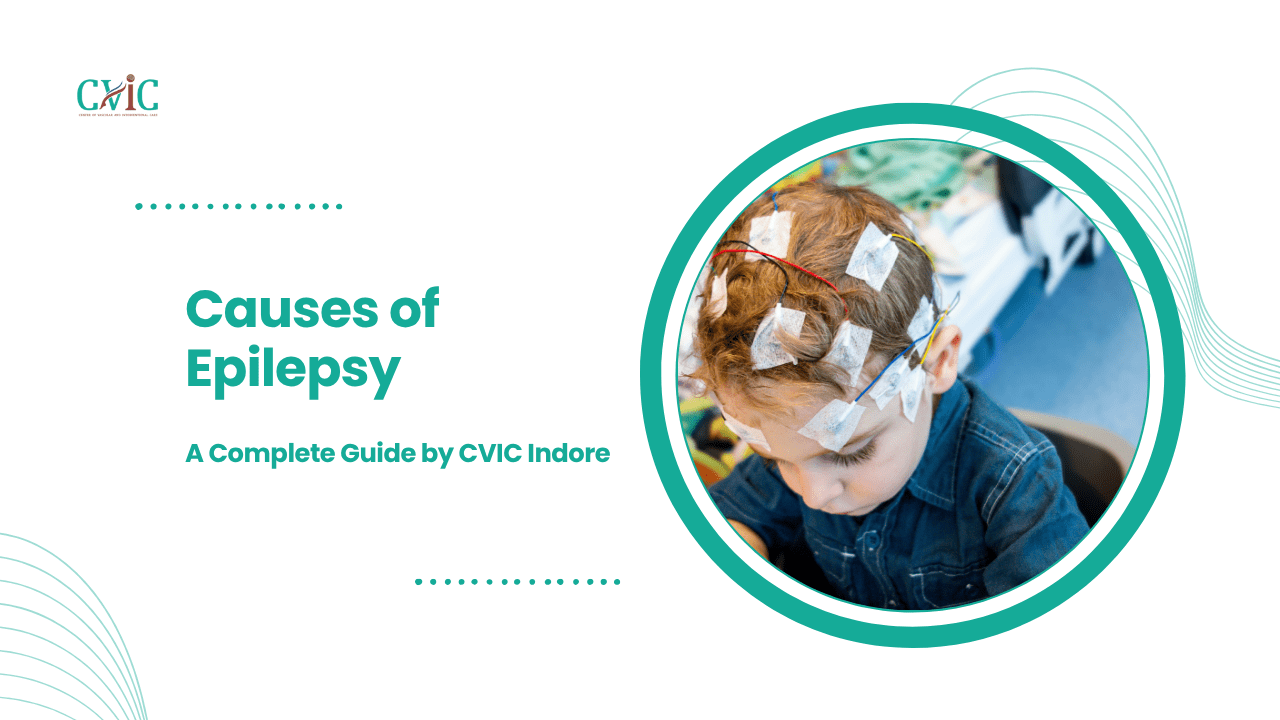
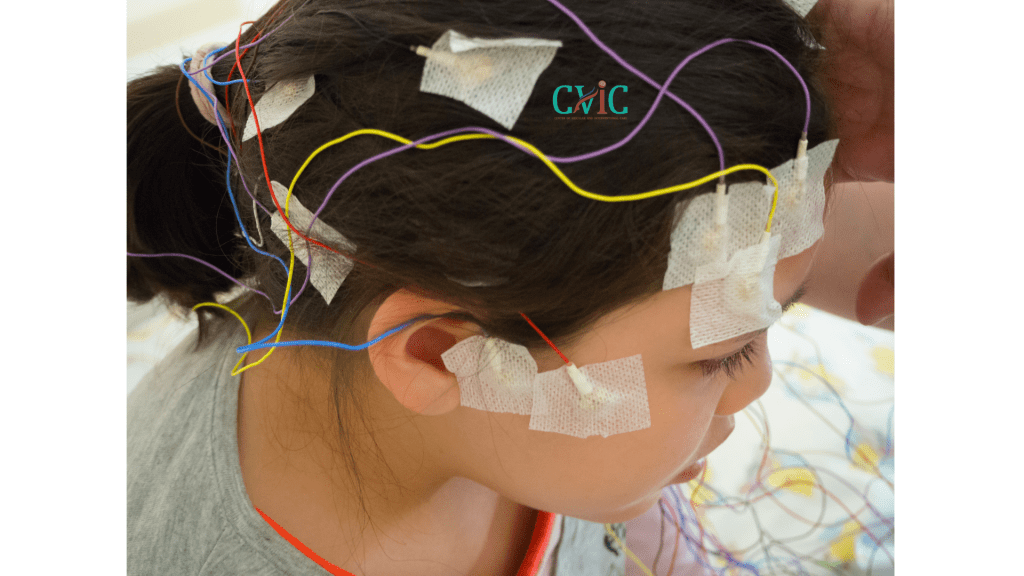
Next, an EEG (electroencephalogram) is done. This test records the electrical activity of the brain and helps detect abnormal patterns. Sometimes, video EEG monitoring is used for several hours or days to capture seizures as they happen.
Imaging tests like MRI and CT scan help find any structural problems in the brain. Blood tests and metabolic studies are also done to check for other causes.
CVIC Indore is equipped with state-of-the-art diagnostic facilities. Dr. Alok K Udiya, Dr. Shailesh Gupta, and Dr. Nishant Bhargava use the latest technology to make fast and accurate diagnoses.
Treatment Options for Epilepsy
The good news is that epilepsy is highly treatable. With proper care, most patients can become seizure-free or have very few seizures.
Medications
Anti-seizure medicines are the most common treatment for epilepsy. They work by calming the electrical activity in the brain. There are many types of medicines, and doctors choose the right one based on the type of seizures, age, and other factors. Most patients respond well to the first or second medicine tried.
Lifestyle Changes
Healthy lifestyle plays a big role in controlling epilepsy. Regular sleep, balanced diet, stress management, and avoiding triggers can reduce seizure frequency significantly.
Surgery
In some cases where medicines do not work, surgery may be an option. The surgeon removes the part of the brain causing seizures, while preserving important brain functions. This is done only after careful evaluation.
Vagus Nerve Stimulation (VNS)
In this method, a small device is placed under the skin near the chest. It sends mild electrical signals to the brain through the vagus nerve, which helps reduce seizures.
Ketogenic Diet
This is a special high-fat, low-carb diet that helps control seizures, especially in children. It must be done under expert supervision.
Newer Therapies
Modern treatments include responsive neurostimulation, deep brain stimulation, and minimally invasive laser surgery. CVIC Indore stays updated with the latest innovations to offer advanced care to all epilepsy patients.
Living with Epilepsy
Many people with epilepsy live normal, active, and successful lives. With proper treatment and lifestyle care, seizures can be reduced or even stopped completely.
Patients should take medicines regularly without missing doses. They should keep a seizure diary to track patterns and triggers. They should also follow safety measures like avoiding swimming alone, being careful while driving, and informing close people about the condition.
Mental and emotional health is just as important. Anxiety and depression are common in epilepsy patients. Family support, counseling, and community groups can help a lot.
Dr. Alok K Udiya often reminds patients at CVIC Indore that epilepsy does not define them. It is just a condition that can be managed, and life can be lived fully.
Can Epilepsy Be Prevented?
Some causes of epilepsy can be prevented, while others cannot. Here are simple steps that may reduce your risk.
Wear helmets and seat belts to prevent head injuries. Eat hygienic food and drink clean water to avoid parasitic infections. Control blood pressure and diabetes to prevent stroke. Avoid alcohol and drug abuse. Maintain regular sleep and a healthy lifestyle. Manage stress through yoga, meditation, or hobbies. Treat infections promptly. Get regular check-ups, especially if you have a family history.
Pregnant women should take care of their health, eat well, and avoid harmful substances to protect their baby’s brain. Newborns should get all vaccinations on time.
These small steps can make a big difference. Dr. Shailesh Gupta says that prevention starts with awareness, and even simple habits can save lives.
Myths and Facts About Epilepsy
Epilepsy is surrounded by many myths. Let us clear the most common ones.
Myth: Epilepsy is contagious. Fact: Epilepsy is not contagious. It does not spread from person to person.
Myth: People with epilepsy are mentally weak. Fact: Epilepsy is a medical condition, not a sign of weakness. Many great scientists, artists, and leaders had epilepsy.
Myth: A person having a seizure can swallow their tongue. Fact: It is impossible to swallow your tongue. Do not put anything in the mouth during a seizure.
Myth: You should hold the person down during a seizure. Fact: Never restrain a person having a seizure. Just keep them safe by clearing the area and turning them on their side.
Myth: Epilepsy cannot be treated. Fact: With modern medicine, most people with epilepsy can become seizure-free.
Myth: Epilepsy is a curse or punishment. Fact: Epilepsy has nothing to do with curses or supernatural causes. It is a medical condition with biological reasons.
Breaking these myths helps create a better life for epilepsy patients. CVIC Indore actively works on raising awareness in society.
First Aid During a Seizure
If you see someone having a seizure, follow these simple steps.
Stay calm. Most seizures last only a few minutes.
Lay the person gently on the floor and turn them on their side.
Remove any sharp or hard objects nearby.
Place something soft under the head.
Loosen tight clothes around the neck.
Do not put anything in the mouth.
Do not give water or food during the seizure.
Note the start time of the seizure.
If the seizure lasts more than 5 minutes, call for emergency help immediately.
Stay with the person until they are fully alert.
After the seizure, comfort the person and explain what happened. They may feel confused or tired.
Why Choose CVIC Indore for Epilepsy Treatment?
CVIC Indore, known as the Center for Vascular and Interventional Cardiology, is one of the most trusted centers in Central India for treating brain and heart conditions. The center is well known for combining cutting-edge technology with compassionate care.
The team is led by Dr. Alok K Udiya, a highly respected expert in interventional cardiology and neurovascular care. He has helped many patients with complex epilepsy-related vascular and structural issues.
Dr. Shailesh Gupta is another leading specialist at CVIC Indore. With his diagnostic precision and deep medical knowledge, he ensures each patient gets the right care plan.
Dr. Nishant Bhargava brings strong expertise in modern brain imaging and interventional procedures. His skills help in identifying hidden causes of epilepsy that other tests may miss.
CVIC Indore offers complete care including advanced EEG, MRI, CT, MRA, DSA, 24×7 emergency care, expert consultations, and personalized treatment plans. Whether the cause is a brain tumor, stroke, infection, or unknown, the team works with dedication to bring relief and a better quality of life.
Frequently Asked Questions About Epilepsy
Can epilepsy be cured? Many cases of epilepsy can be controlled or even cured with proper medication, lifestyle changes, or surgery. With timely treatment, most patients live seizure-free lives.
Is epilepsy hereditary? Some types of epilepsy run in families, but most are not strictly hereditary. Genetics may play a role in some cases.
Can children outgrow epilepsy? Yes, many children with certain types of epilepsy outgrow it as they get older.
Is it safe to drive with epilepsy? It depends on how well the seizures are controlled. Doctors usually recommend not driving until the patient has been seizure-free for a specific period.
Can pregnant women take epilepsy medicines? Yes, but it requires careful planning with a specialist. CVIC Indore has experience in managing epilepsy in pregnancy safely.
Are there any foods that help control epilepsy? A balanced diet helps overall brain health. The ketogenic diet is sometimes used as part of treatment under medical supervision.
Can stress cause epilepsy? Stress does not directly cause epilepsy, but it can trigger seizures in those who already have it.
Can someone live a normal life with epilepsy? Absolutely. With proper care, most people with epilepsy lead full, productive, and happy lives.
The Future of Epilepsy Care
Medical science is making rapid progress in epilepsy treatment. New medicines with fewer side effects, advanced surgical techniques, deep brain stimulation, AI-based seizure prediction tools, and personalized therapy based on genetics are changing how epilepsy is managed.
CVIC Indore stays updated with these innovations and brings the latest care to patients in Indore, Madhya Pradesh, and across Central India.
A Message of Hope
Epilepsy may feel scary at first, but it is one of the most manageable neurological conditions today. The first step is to seek expert help, understand the cause, and start the right treatment. With modern medicine and the right team, life with epilepsy can be just as rich and meaningful as without it.
CVIC Indore is committed to helping every patient on this journey with compassion, expertise, and the latest technology. Dr. Alok K Udiya, Dr. Shailesh Gupta, and Dr. Nishant Bhargava lead with care and dedication, ensuring that every patient feels supported and confident.
Spreading Awareness
Spreading the right knowledge about epilepsy helps fight stigma and saves lives. Talk openly with family, friends, and the community. Share educational content. Encourage anyone showing seizure symptoms to seek medical advice. Even simple awareness can make a huge difference.
CVIC Indore regularly organizes awareness sessions, health camps, and educational events. Together, we can create a more understanding and supportive society for epilepsy patients.
Final Thoughts
Understanding the Causes of Epilepsy is the foundation of effective treatment. From genetic factors and brain injuries to infections, strokes, and unknown reasons, epilepsy can begin in many ways. But no matter the cause, modern medicine offers hope and solutions for almost every patient.
If you or your loved one is experiencing seizures or has been recently diagnosed with epilepsy, do not lose hope. Reach out to a trusted center like CVIC Indore. The expert team of Dr. Alok K Udiya, Dr. Shailesh Gupta, and Dr. Nishant Bhargava is ready to guide you with compassion and the most advanced care available.
Your brain is precious. Take care of it. Stay informed, stay healthy, and never hesitate to seek help. With proper diagnosis, expert treatment, and a strong support system, life with epilepsy can be full of joy, achievement, and meaningful moments.
CVIC Indore stands beside every patient and family, ensuring that no one has to face epilepsy alone. The journey toward better health starts with a single step, and that step begins with knowledge and timely action.