A brain aneurysm is a serious medical condition that requires timely diagnosis and expert treatment. One of the most common questions patients and their families ask is, “Which surgery is best for brain aneurysm?”
The answer depends on several factors, including the size of the aneurysm, its location, whether it has ruptured, the patient’s age, overall health, and associated medical conditions.
Today, modern medicine offers minimally invasive procedures that are safer, faster, and more effective than traditional brain surgery in many cases. At CVIC Indore, leading neuro-interventional experts including Dr. Alok K Udiya, Dr. Shailesh Gupta, and Dr. Nishant Bhargava provide advanced, evidence-based treatment for brain aneurysms using state-of-the-art technology.
If you are searching for the best treatment for brain aneurysm in Gita Bhawan Indore, this comprehensive guide explains every treatment option in simple language.
What Is a Brain Aneurysm?
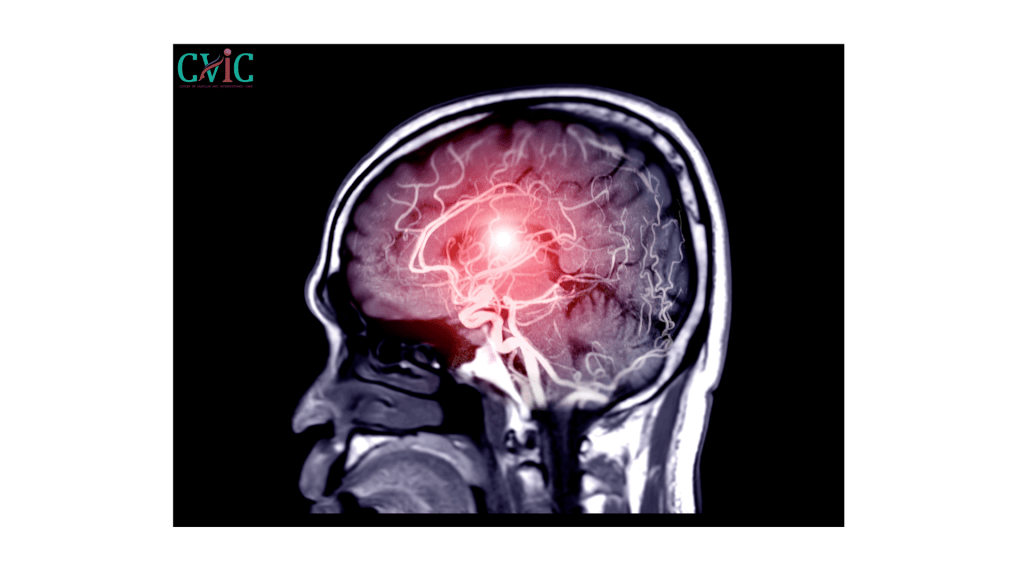
A brain aneurysm is a weak or bulging area in the wall of a blood vessel inside the brain. Over time, the weakened blood vessel may enlarge due to blood pressure.
If the aneurysm ruptures, it causes bleeding around the brain (subarachnoid hemorrhage), which is a medical emergency and requires immediate treatment.
Not every aneurysm ruptures, but every diagnosed aneurysm should be evaluated by a specialist.
Also Read: Frequent Blackout or Fainting – Brain Issue? What Your Episodes Are Really Telling You

Common Symptoms of Brain Aneurysm
Many aneurysms do not produce symptoms until they become large or rupture.
Possible symptoms include:
- Sudden severe headache
- Double vision
- Blurred vision
- Pain behind the eye
- Neck stiffness
- Vomiting
- Dizziness
- Weakness in limbs
- Difficulty speaking
- Loss of consciousness
- Seizures
If someone experiences a sudden “worst headache of life,” emergency medical care is essential.
Also Read: Physiotherapy vs Neuro Treatment – What Is Better? An Honest Guide for Patients
Which Surgery Is Best for Brain Aneurysm?
The answer varies for each patient.
The two primary treatment options are:
- Endovascular Coiling
- Surgical Clipping
In selected cases, advanced treatments such as Flow Diverter Stents or Intrasaccular Devices may also be recommended.
Let’s understand each option.
Also Read: Can Brain Tumor Be Treated Without Surgery? A Complete Guide to Non-Surgical Options
1. Endovascular Coiling – The Preferred Modern Treatment
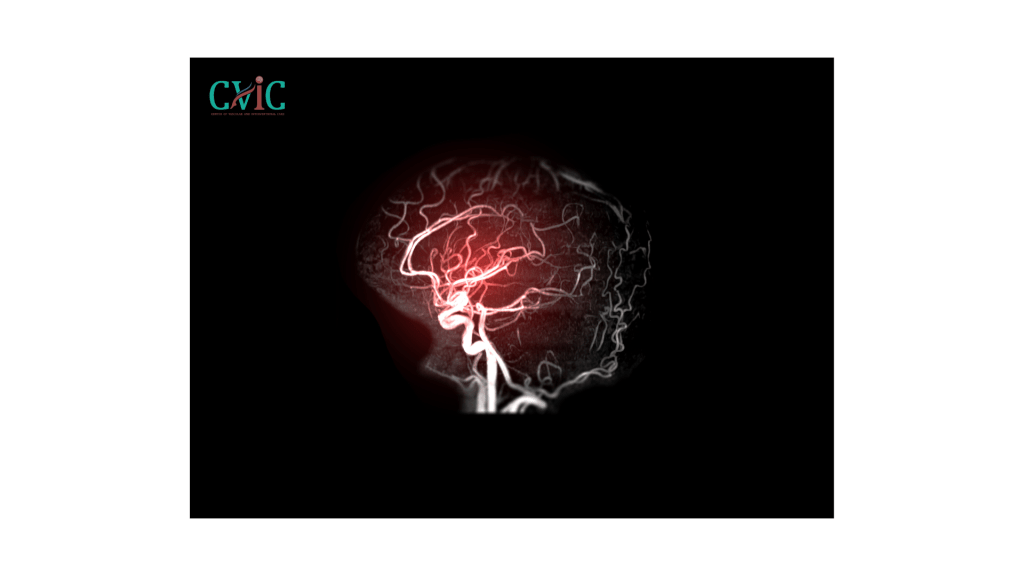
For many patients, Endovascular Coiling has become the preferred treatment because it does not require opening the skull.
How It Works
A small catheter is inserted through an artery in the wrist or groin.
The catheter is guided to the brain using advanced imaging.
Tiny platinum coils are placed inside the aneurysm.
These coils block blood flow into the aneurysm, reducing the risk of rupture.
Advantages of Endovascular Coiling
- No open brain surgery
- Small puncture wound
- Less pain
- Faster recovery
- Short hospital stay
- Lower infection risk
- Minimal blood loss
- Suitable for elderly patients
- Ideal for difficult-to-reach aneurysms
This treatment is widely performed by experienced neuro-interventional specialists at CVIC Indore.
2. Surgical Clipping
Surgical clipping is a traditional neurosurgical procedure.
How It Works
The neurosurgeon performs a craniotomy (opening the skull).
A tiny titanium clip is placed across the neck of the aneurysm.
The clip permanently blocks blood flow into the aneurysm.
Advantages
- Long-term durability
- Effective for certain aneurysm shapes
- Excellent for some younger patients
- Suitable for specific aneurysm locations
Limitations
- Open brain surgery
- Longer recovery period
- Larger incision
- Higher postoperative discomfort
- Longer hospital stay
Comparison Between Coiling and Clipping
| Feature | Endovascular Coiling | Surgical Clipping |
|---|---|---|
| Procedure Type | Minimally invasive | Open brain surgery |
| Skull Opening | No | Yes |
| Recovery Time | Faster | Longer |
| Hospital Stay | 2–5 days | 5–10 days |
| Pain | Less | More |
| Infection Risk | Lower | Higher |
| Blood Loss | Minimal | More |
| Cosmetic Scar | Very small | Larger |
| Suitable for Elderly | Yes | Depends |
| Return to Daily Activities | Earlier | Delayed |
Which Patients Are Better Candidates for Coiling?
Coiling is often preferred when:
- The aneurysm is located deep within the brain.
- The patient is elderly.
- The aneurysm has ruptured.
- Open surgery carries higher risk.
- The patient has multiple medical conditions.
- Faster recovery is important.
When Is Surgical Clipping Better?
Clipping may be recommended if:
- The aneurysm has a wide neck.
- The aneurysm’s anatomy is unsuitable for coiling.
- The patient is young and long-term durability is prioritized.
- Other brain surgery is already required.
What Are Flow Diverter Stents?
For large, giant, or complex aneurysms, specialists may recommend a Flow Diverter Stent.
Instead of filling the aneurysm, the device redirects blood flow through the parent artery.
Gradually, the aneurysm seals itself naturally.
Flow diverters have transformed treatment for aneurysms that were once considered difficult or impossible to manage.
Is Brain Aneurysm Surgery Dangerous?
Every procedure carries some risk, but modern techniques have made aneurysm treatment much safer.
Potential risks include:
- Stroke
- Bleeding
- Infection
- Blood vessel injury
- Temporary neurological symptoms
- Rare recurrence
Choosing an experienced neuro-interventional team significantly improves outcomes.
How Do Doctors Decide the Best Surgery?
Specialists evaluate multiple factors before recommending treatment.
These include:
- Aneurysm size
- Shape
- Neck width
- Exact brain location
- Patient’s age
- Ruptured vs. unruptured aneurysm
- Overall health
- Blood pressure
- Previous stroke history
- Imaging findings
Treatment is personalized rather than following a single approach.
Diagnosis Before Treatment
At CVIC Indore, advanced imaging helps determine the safest treatment plan.
Common investigations include:
- CT Brain
- MRI Brain
- CT Angiography (CTA)
- MR Angiography (MRA)
- Digital Subtraction Angiography (DSA)
Among these, DSA remains the gold standard for detailed aneurysm evaluation.
Recovery After Brain Aneurysm Surgery
Recovery depends on the procedure and whether the aneurysm had ruptured.
After Coiling
- Walking within 24 hours
- Hospital discharge in 2–5 days
- Resume routine activities within a few weeks
- Regular imaging follow-up
After Clipping
- Hospital stay of about a week or more
- Recovery over several weeks to months
- Gradual return to work and daily life
Can a Brain Aneurysm Come Back?
Most treated aneurysms remain secure.
However, some patients—especially after coiling—may require periodic imaging to confirm the aneurysm remains sealed.
Regular follow-up is important regardless of the treatment method.
Lifestyle Changes After Treatment
To reduce future vascular risk:
- Control blood pressure
- Stop smoking
- Exercise regularly after medical clearance
- Maintain a healthy weight
- Follow prescribed medications
- Limit alcohol intake
- Eat a heart-healthy diet
- Attend scheduled follow-up visits
Why Choose CVIC Indore for Brain Aneurysm Treatment?
Patients from Indore and surrounding regions trust CVIC Indore for advanced neurovascular care.
Highlights
- Experienced neuro-interventional specialists
- Advanced catheter-based aneurysm treatment
- Modern angiography technology
- Comprehensive diagnosis and treatment
- Personalized care plans
- Multidisciplinary team approach
- Focus on minimally invasive procedures when appropriate
- Comprehensive follow-up care
The center is led by experienced specialists including Dr. Alok K Udiya, Dr. Shailesh Gupta, and Dr. Nishant Bhargava, offering advanced treatment options near Gita Bhawan Indore.
Frequently Asked Questions
1. Which surgery is best for brain aneurysm?
For many patients, endovascular coiling is preferred because it is minimally invasive and typically offers faster recovery. However, surgical clipping may be the better option depending on the aneurysm’s characteristics and the patient’s condition.
2. Is coiling safer than clipping?
Coiling generally involves less trauma and a shorter recovery, but the safest treatment depends on the individual’s aneurysm anatomy and overall health.
3. Can brain aneurysm be treated without opening the skull?
Yes. Endovascular coiling and flow diverter procedures are performed through blood vessels without opening the skull.
4. How long does brain aneurysm surgery take?
Most procedures take between 2 and 5 hours, depending on complexity.
5. Is brain aneurysm surgery painful?
Patients receive anesthesia during the procedure. After minimally invasive treatment, postoperative discomfort is generally less than with open surgery.
6. How many days is hospitalization after coiling?
Most patients stay in the hospital for approximately 2–5 days, depending on their condition.
7. What happens if a brain aneurysm is left untreated?
Untreated aneurysms may enlarge or rupture, leading to life-threatening bleeding. Management decisions should always be made with a specialist.
8. Can young patients develop brain aneurysms?
Yes. Although more common in older adults, brain aneurysms can occur at younger ages due to congenital factors, connective tissue disorders, or family history.
9. Is surgery always necessary for a brain aneurysm?
No. Small, low-risk aneurysms may be monitored with periodic imaging. The decision depends on rupture risk and patient-specific factors.
10. Where can I get advanced brain aneurysm treatment in Indore?
Patients seeking expert evaluation and advanced neurovascular treatment can consult the specialists at CVIC Indore, including Dr. Alok K Udiya, Dr. Shailesh Gupta, and Dr. Nishant Bhargava, located near Gita Bhawan Indore.
Conclusion
If you’re wondering “Which surgery is best for brain aneurysm?”, there is no single answer that fits every patient. Modern endovascular coiling has become the preferred option for many due to its minimally invasive nature, quicker recovery, and excellent outcomes. However, surgical clipping remains an important and effective treatment for selected aneurysms.
The best approach is determined after detailed imaging and evaluation by experienced specialists. At CVIC Indore, Dr. Alok K Udiya, Dr. Shailesh Gupta, and Dr. Nishant Bhargava provide personalized treatment plans using the latest neurovascular technologies to help patients achieve the safest possible outcomes.