

One moment you’re standing in a queue, feeling slightly warm and uneasy. The next thing you know, you’re on the floor, surrounded by worried faces, with no memory of falling.
Or perhaps it’s happening to someone you love — your mother who has “fainted” three times this year, your teenage son who blacks out during morning assembly, your father who suddenly slumped in his chair and recovered a minute later as if nothing happened.
A single fainting episode is frightening enough. But when blackouts happen again and again, a deeper worry sets in: “Is something wrong with the brain? Is this a stroke warning? A seizure? A tumor?”
It’s one of the most common — and most important — questions the team at CVIC Indore hears from patients and families: “I keep having blackouts. Is it a brain issue?”
The honest answer: sometimes yes, often no — but frequent blackouts should never, ever be ignored, because among the many harmless causes hide a few that are dangerous, progressive, or life-threatening.
In this detailed guide, Dr. Alok K Udiya, Dr. Shailesh Gupta, and Dr. Nishant Bhargava of CVIC Indore explain what actually happens during a blackout, the full range of causes — from the innocent to the serious — how doctors tell them apart, and exactly when a frequent blackout pattern points to a brain problem that needs urgent attention.
What Actually Happens During a Blackout?
A blackout — medically called transient loss of consciousness (TLOC) — happens when the brain is briefly deprived of what it needs to stay “switched on.” The brain is an extraordinarily demanding organ: it makes up only 2% of body weight but consumes about 20% of the body’s oxygen and blood supply. Interrupt that supply for even 6–8 seconds, and consciousness is lost.
Broadly, blackouts happen through three mechanisms:
- The pump problem — the heart briefly fails to pump enough blood to the brain (cardiac causes)
- The plumbing/pressure problem — blood pressure drops suddenly, or the blood vessels supplying the brain are narrowed or blocked (circulatory and vascular causes)
- The wiring problem — the brain’s own electrical activity misfires (seizures and neurological causes)
Understanding which mechanism is behind YOUR blackouts is the entire key to diagnosis — and to answering the question “is it a brain issue?”
Also Read: Headache vs Brain Tumor – How to Identify? A Complete Guide
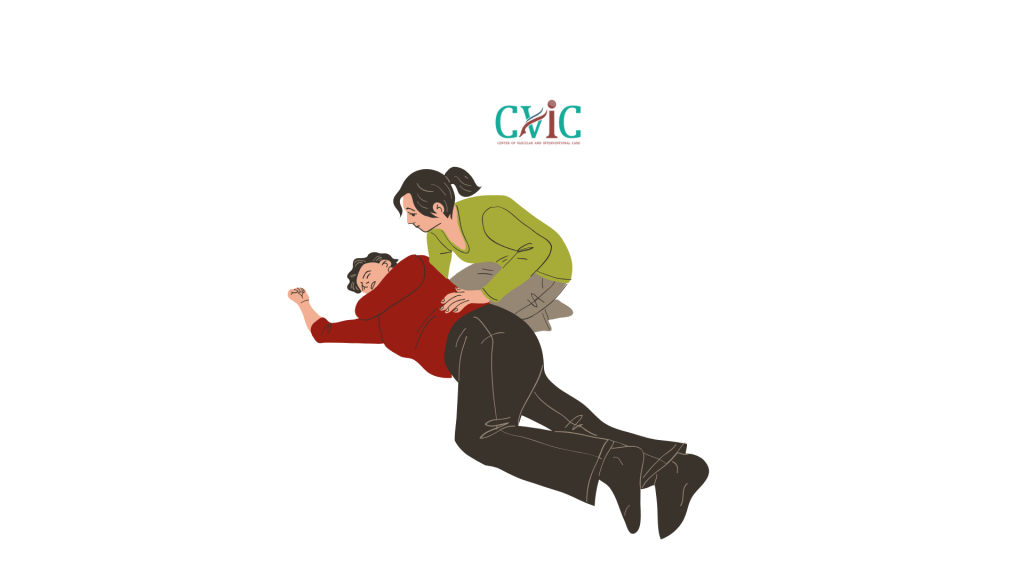
The Most Common Cause: Simple Fainting (Vasovagal Syncope)
Let’s start with reassurance. The single most common cause of fainting — accounting for the majority of all episodes — is vasovagal syncope, also called the “common faint.”
Here, an overreaction of the nervous system causes the heart rate to slow and blood vessels to widen suddenly. Blood pressure plummets, blood pools in the legs, the brain is briefly starved — and the person faints.
Classic Triggers
- Prolonged standing, especially in heat or crowds
- The sight of blood or needles
- Sudden pain, fear, or emotional shock
- Straining — coughing fits, passing urine (micturition syncope), or bowel strain
- Dehydration, hunger, or exhaustion
The Telltale Warning Signs
Vasovagal fainting almost always announces itself. In the seconds before blacking out, the person feels:
- Light-headedness and a “draining away” sensation
- Nausea and a cold sweat
- Vision dimming or tunnelling (“everything went grey”)
- Ringing or muffled hearing
- Pale, clammy appearance noticed by others
The person slumps or crumples down, is unconscious for less than a minute, and wakes up quickly — tired and washed out, but oriented and aware of surroundings.
The good news: vasovagal syncope is not a brain disease, does not damage the brain, and is rarely dangerous — the main risk is injury from the fall itself. It is managed with hydration, salt, trigger avoidance, and simple counter-manoeuvres.
But here’s the catch: this benign diagnosis can only be made confidently after the serious causes have been excluded — especially when blackouts are frequent.
Also Read: Symptoms Before Brain Aneurysm Rupture: What You Must Never Ignore
Other Circulatory Causes: The Pressure Problems
Orthostatic Hypotension
Blacking out or feeling faint on standing up — from bed, a chair, or after meals — suggests orthostatic hypotension: a failure of blood pressure to adjust to the upright position. Common culprits include:
- Blood pressure medications that overshoot
- Dehydration or blood loss
- Diabetes — which damages the autonomic nerves controlling blood pressure
- Parkinson’s disease and related neurological disorders
- Simple ageing of the circulatory reflexes
Frequent early-morning or after-meal blackouts in an elderly person on multiple medications is one of the most common — and most fixable — patterns doctors see.
Situational Syncope
Fainting reliably triggered by a specific act — coughing, swallowing, urinating — has its own mechanisms and usually a good outlook once recognised.
Also Read: Brain Stroke Treatment Cost in India: A Complete Guide by CVIC Indore
The Dangerous Mimic: Cardiac Blackouts
Now we come to a cause that must never be missed. Blackouts caused by the heart — rhythm disturbances (arrhythmias), heart valve narrowing, or heart muscle disease — are the most immediately life-threatening kind, because the same rhythm problem that causes a blackout today can cause sudden cardiac arrest tomorrow.
Suspect a cardiac cause when blackouts:
- Occur during exertion — walking, climbing stairs, exercising
- Strike without any warning — no nausea, no greying vision, just instant collapse (“the lights simply went out”)
- Are preceded by palpitations or chest discomfort
- Occur while lying down (almost never vasovagal)
- Happen in someone with known heart disease
- Run in a family with sudden unexplained deaths at a young age
Every patient with frequent blackouts needs at minimum an ECG, and often longer heart-rhythm monitoring (Holter or event recorder) and an echocardiogram. At CVIC Indore, cardiac evaluation runs hand-in-hand with the neurological workup — because labelling a cardiac blackout as “just fainting” can be a fatal error.
When Blackouts ARE a Brain Issue
Here is the heart of the question. These are the situations where a frequent blackout pattern genuinely points to the brain — and needs expert neuro evaluation.
1. Seizures — The Great Masquerader
An epileptic seizure is an electrical storm in the brain, and it is one of the most common serious causes of recurrent blackouts. Distinguishing a seizure from a faint is one of the most important judgements in medicine.
Clues that a “blackout” was actually a seizure:
- Jerking movements of the limbs lasting more than a few seconds (brief twitches can occur in ordinary faints, which confuses bystanders)
- Tongue biting — especially the side of the tongue
- Loss of bladder control
- A cry or groan at onset
- Eyes open, head turned to one side, stiffening of the body
- Prolonged confusion after waking — a seizure patient is typically disoriented, drowsy, or combative for many minutes to hours (the “post-ictal state”), whereas a fainting patient wakes up clear-headed within moments
- Episodes occurring from sleep
- A warning “aura” — strange smell, rising sensation in the stomach, déjà vu
Recurrent seizures need brain imaging (MRI) and an EEG — because the seizures themselves may be caused by an underlying lesion: a scar, tumor, vascular malformation, or previous stroke. This is why a first seizure, and certainly repeated ones, must never be dismissed.
2. Transient Ischaemic Attacks (TIA) and Vertebrobasilar Insufficiency
A TIA — a “mini-stroke” — is a temporary blockage of blood flow to part of the brain. Most TIAs cause weakness, speech trouble, or vision loss rather than blackout. But when the arteries at the back of the brain (the vertebrobasilar system, which supplies the brainstem — the brain’s consciousness switch) are narrowed, episodes can include:
- Sudden dizziness or vertigo with imbalance
- Double vision or visual blackouts
- Slurred speech, facial numbness
- Drop attacks — sudden falls with or without loss of consciousness
This pattern matters enormously, because a TIA is the single loudest warning the brain ever gives: a significant proportion of major strokes are preceded by TIAs, with the highest risk in the first 48 hours to 90 days.
Dr. Alok K Udiya at CVIC Indore explains: “When an older patient with blood pressure or diabetes tells me about repeated episodes of dizziness, double vision, and near-blackouts, we investigate the brain’s blood vessels urgently — with MRI and angiography. Finding a narrowed vertebral or carotid artery at this stage is a gift: we can treat it with medication or stenting before the major stroke happens. After the stroke, our options — and the patient’s life — are never the same.”
Severe carotid artery narrowing can similarly cause recurrent near-fainting or visual blackouts (a curtain falling over one eye — amaurosis fugax) and is treatable at CVIC Indore with carotid stenting, a minimally invasive procedure done through a small puncture.
3. Raised Pressure Inside the Skull
Rarely, blackouts — particularly brief visual blackouts when bending or straining — can result from raised intracranial pressure, caused by a brain tumor, hydrocephalus, or cerebral venous thrombosis. Accompanying clues include progressive morning headaches, vomiting, and vision changes. An MRI settles the question quickly.
4. Autonomic Failure From Neurological Disease
Conditions like Parkinson’s disease, multiple system atrophy, and diabetic autonomic neuropathy damage the nerve circuits that maintain blood pressure — producing frequent fainting on standing. The blackout mechanism is circulatory, but the root cause is neurological, and managing it requires neuro expertise.
Red Flags: When Frequent Blackouts Demand Urgent Evaluation
Seek prompt specialist evaluation — do not simply wait for the next episode — if any of the following apply:
- Blackouts during exertion or while lying down
- No warning before collapse
- Jerking, tongue biting, or urinary incontinence during episodes
- Prolonged confusion after waking
- Episodes accompanied by dizziness, double vision, slurred speech, or weakness
- Palpitations or chest pain before blacking out
- Family history of sudden death, epilepsy, or heart disease
- Blackouts causing injury, or occurring while driving
- Increasing frequency — episodes coming closer together
- New headaches, vomiting, or vision problems between episodes
Dr. Nishant Bhargava of CVIC Indore emphasises: “Frequency changes everything. One faint at a blood donation camp is a story. Five blackouts in three months is a pattern — and patterns have causes. Our job is to find that cause before it finds the patient.”
How Doctors Find the Cause: The Diagnostic Pathway
The evaluation of frequent blackouts is detective work, and the single most valuable piece of evidence is the story — ideally from both the patient and an eyewitness.
The History
What were you doing? Was there warning? How long did it last? How quickly did you recover? What did bystanders see? (A mobile phone video of an episode, if family can safely take one, is genuinely gold for diagnosis.)
The Tests
- ECG — for every single patient; plus Holter/event monitoring when a rhythm problem is suspected
- Blood tests — sugar, haemoglobin, electrolytes, thyroid
- Lying and standing blood pressure — to catch orthostatic hypotension
- EEG — when seizures are suspected
- MRI brain — when seizures, TIA, or structural causes are suspected
- CT/MR angiography or DSA — to map the brain’s blood vessels when vascular narrowing is suspected; available with state-of-the-art facilities at CVIC Indore
- Echocardiogram and, where needed, tilt-table testing
Dr. Shailesh Gupta of CVIC Indore notes: “Patients often arrive convinced they need every scan available — or the opposite, convinced it’s ‘just weakness.’ The truth is that a careful history sorts out most blackouts, and targeted testing confirms the rest. What we never do is guess. With frequent blackouts, guessing is gambling.”
Treatment: Matched to the Cause
Because blackouts have many causes, there is no single treatment — but nearly every cause has an effective one:
- Vasovagal syncope — hydration, salt, trigger avoidance, counter-pressure manoeuvres (leg crossing, hand gripping), and rarely medication
- Orthostatic hypotension — medication review, slow position changes, compression stockings, fluid strategy
- Cardiac arrhythmias — medications, pacemakers, or defibrillators as needed
- Seizures/epilepsy — anti-seizure medications, which control episodes in the majority of patients; plus treatment of any underlying lesion
- TIA and vascular narrowing — urgent medical therapy (antiplatelets, statins, blood pressure control) and, where arteries are critically narrowed, minimally invasive stenting at CVIC Indore to restore blood flow and prevent stroke
- Raised intracranial pressure — treatment of the underlying tumor, clot, or hydrocephalus
The outcomes are excellent when the cause is found early. The tragedies occur when frequent blackouts are dismissed for months as “weakness,” “low BP,” or “stress” — until the arrhythmia, the epilepsy, or the impending stroke declares itself.
The Bottom Line
Is a frequent blackout or fainting a brain issue?
- Most often, no — the majority are vasovagal faints or blood pressure problems, which are manageable and not dangerous to the brain
- Sometimes, yes — seizures, TIAs, narrowed brain arteries, autonomic neurological disease, and rarely raised pressure from a tumor can all present as recurrent blackouts
- Occasionally, it’s the heart — the most urgent possibility of all, and one that must always be checked
- Frequency is the alarm bell. Repeated episodes always deserve a proper diagnosis — history, examination, ECG, and targeted brain and vessel imaging where indicated
One blackout may be an event. Frequent blackouts are a message. Make sure someone qualified reads it.
Get Answers at CVIC Indore
If you or a family member is experiencing frequent blackout episodes or fainting — especially with any of the red flags described above — don’t settle for guesswork.
At CVIC Indore, Dr. Alok K Udiya, Dr. Shailesh Gupta, and Dr. Nishant Bhargava offer comprehensive evaluation of blackouts — advanced brain imaging, angiography to assess the brain’s blood supply, coordinated cardiac workup, and minimally invasive treatment of vascular causes like carotid and vertebral artery narrowing — all under one roof.
Find the cause. Treat it early. Prevent the emergency. Contact CVIC Indore today.
Frequently Asked Questions (FAQs)
1. Is frequent fainting always a sign of a brain problem?
No. The most common cause is vasovagal syncope — a harmless overreaction of the nervous system to triggers like standing, heat, or pain. However, frequent episodes can also be caused by seizures, mini-strokes (TIAs), narrowed brain arteries, or heart rhythm problems. Because the dangerous causes hide among the harmless ones, recurrent blackouts always warrant proper evaluation.
2. How can I tell a faint from a seizure?
A faint usually comes with warning (nausea, greying vision, sweating), lasts under a minute, and the person wakes up clear-headed. A seizure often strikes with little warning and features sustained jerking, tongue biting, urinary incontinence, and prolonged confusion after waking. An eyewitness account — or a phone video — helps doctors enormously.
3. Can blackouts be a warning sign of stroke?
Yes, in some cases. Episodes combining dizziness, double vision, slurred speech, imbalance, or drop attacks can indicate TIAs from narrowed vertebral or carotid arteries — the brain’s loudest warning before a major stroke. These need urgent vascular imaging, available at CVIC Indore, because treating the narrowing early can prevent the stroke entirely.
4. What tests will I need for frequent blackouts?
Every patient needs a detailed history, examination, and ECG. Depending on the suspected cause, doctors may add blood tests, lying/standing blood pressure, heart-rhythm monitoring, EEG, MRI of the brain, and CT/MR angiography or DSA to examine the brain’s blood vessels — all guided by your specific story, not a fixed checklist.
5. When should I go to the emergency room for a blackout?
Immediately, if a blackout occurs during exercise or while lying down, causes injury, is followed by confusion lasting more than a few minutes, involves jerking or tongue biting, or is accompanied by chest pain, palpitations, weakness, slurred speech, or vision loss. Also seek urgent care if episodes are becoming more frequent. When in doubt, get checked — a blackout is your body’s emergency flare.
Disclaimer: This article is for educational purposes only and is not a substitute for professional medical advice, diagnosis, or treatment. If you or someone near you experiences a blackout with chest pain, prolonged unconsciousness, seizure activity, or stroke symptoms, call emergency services or reach the nearest hospital immediately.