Alzheimer’s Disease is one of the most common causes of memory loss and dementia in older adults. It slowly affects the brain, causing problems with memory, thinking, and behavior. Many people ignore the early signs thinking it is just “normal aging,” but early detection can make a big difference in treatment and quality of life.
At centers like CVIC Indore, experts such as Dr. Alok K Udiya, Dr. Shailesh Gupta, and Dr. Nishant Bhargava emphasize the importance of recognizing symptoms early and seeking timely medical care.
In this detailed blog, we will understand the 10 early warning signs of Alzheimer’s Disease, how to identify them, and when to consult a specialist.
What is Alzheimer’s Disease?
Alzheimer’s Disease is a progressive brain disorder that slowly destroys memory and thinking skills. Over time, it can affect a person’s ability to perform even simple daily tasks.
It is not a normal part of aging, although age is the biggest risk factor.
Why Early Detection is Important
- Slows disease progression
- Helps in better treatment planning
- Improves quality of life
- Supports family and caregivers
Early diagnosis at a specialized center like CVIC Indore can help patients manage symptoms effectively and live more independently.
Also Read: What Treatment Options Are Available for Neurological Disorders?
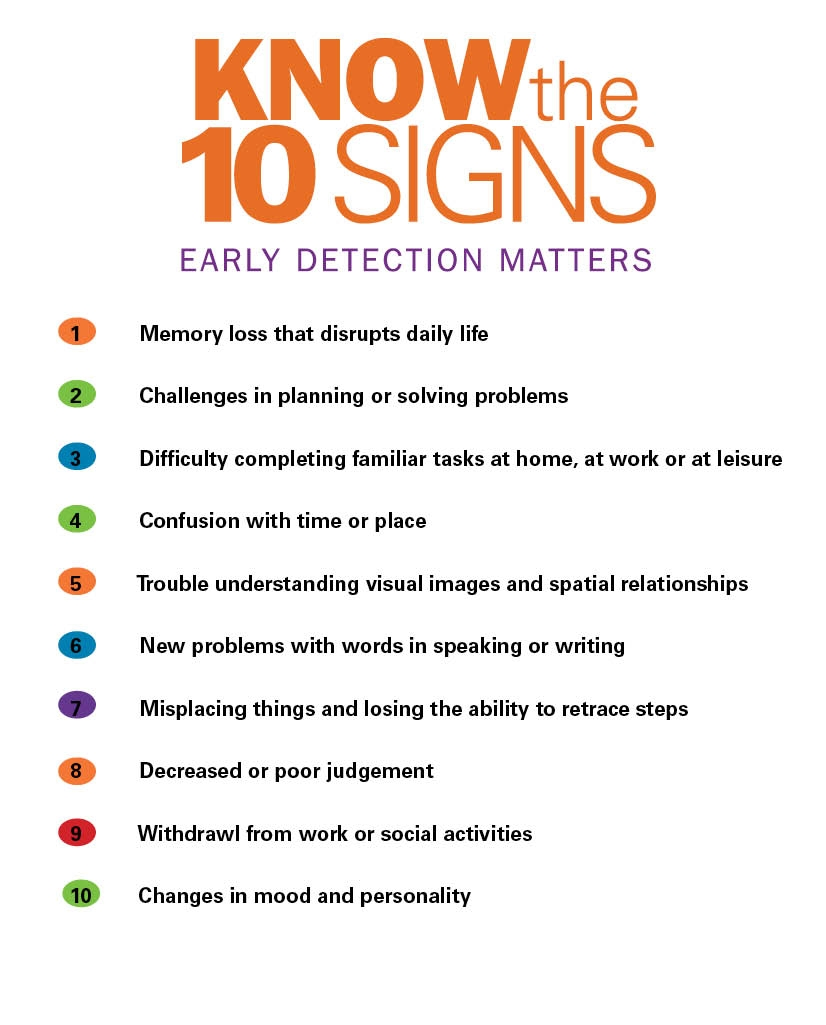
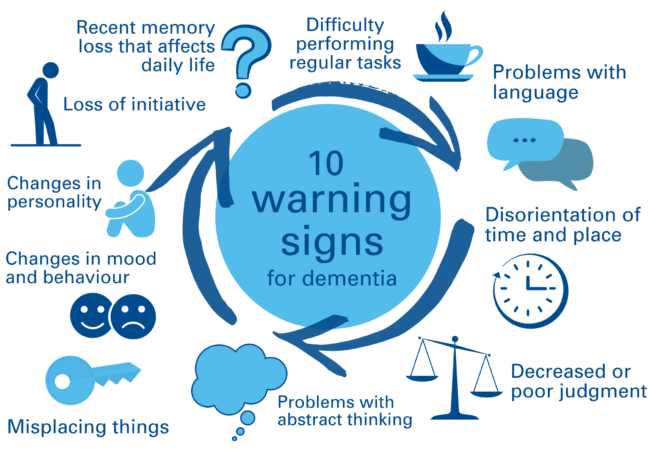
10 Early Warning Signs of Alzheimer’s Disease
1. Memory Loss That Disrupts Daily Life
One of the most common early signs of Alzheimer’s Disease is memory loss, especially forgetting recently learned information.
Examples:
- Forgetting important dates or events
- Asking the same questions repeatedly
- Relying heavily on notes or reminders
Important Note: Occasional forgetfulness is normal, but frequent memory loss is not.
2. Difficulty in Planning or Solving Problems
People with Alzheimer’s may struggle with tasks that require concentration and thinking.
Examples:
- Trouble following a familiar recipe
- Difficulty managing monthly bills
- Taking longer to complete routine tasks
This happens because the brain’s ability to process information gets affected.
3. Trouble Completing Familiar Tasks
Daily activities that were once easy may become challenging.
Examples:
- Difficulty driving to a known location
- Forgetting how to use household appliances
- Trouble organizing daily routines
This is often one of the first noticeable signs noticed by family members.
4. Confusion with Time or Place
People with Alzheimer’s Disease often lose track of time, dates, or seasons.
Examples:
- Forgetting where they are
- Not knowing how they got there
- Confusion about the day or year
They may also feel lost even in familiar places.
Also Read: Top Neuro Doctor in Indore: Expert Neurological Care for Better Health
5. Problems with Speaking or Writing
Communication becomes difficult as the disease progresses.
Examples:
- Trouble finding the right words
- Stopping in the middle of a conversation
- Repeating words or phrases
This can make conversations frustrating for both the patient and others.
6. Misplacing Things and Losing the Ability to Retrace Steps
A person with Alzheimer’s may put things in unusual places and forget where they kept them.
Examples:
- Keeping keys in the refrigerator
- Losing items frequently
- Accusing others of stealing
This behavior is due to memory and thinking problems.
7. Poor Judgment and Decision Making
People may show poor decision-making skills.
Examples:
- Giving away money unnecessarily
- Ignoring personal hygiene
- Wearing inappropriate clothes for the weather
These changes can affect their safety and well-being.
8. Withdrawal from Social Activities
People with Alzheimer’s often avoid social interactions.
Examples:
- Losing interest in hobbies
- Avoiding family gatherings
- Not participating in conversations
This happens due to confusion, memory issues, or lack of confidence.
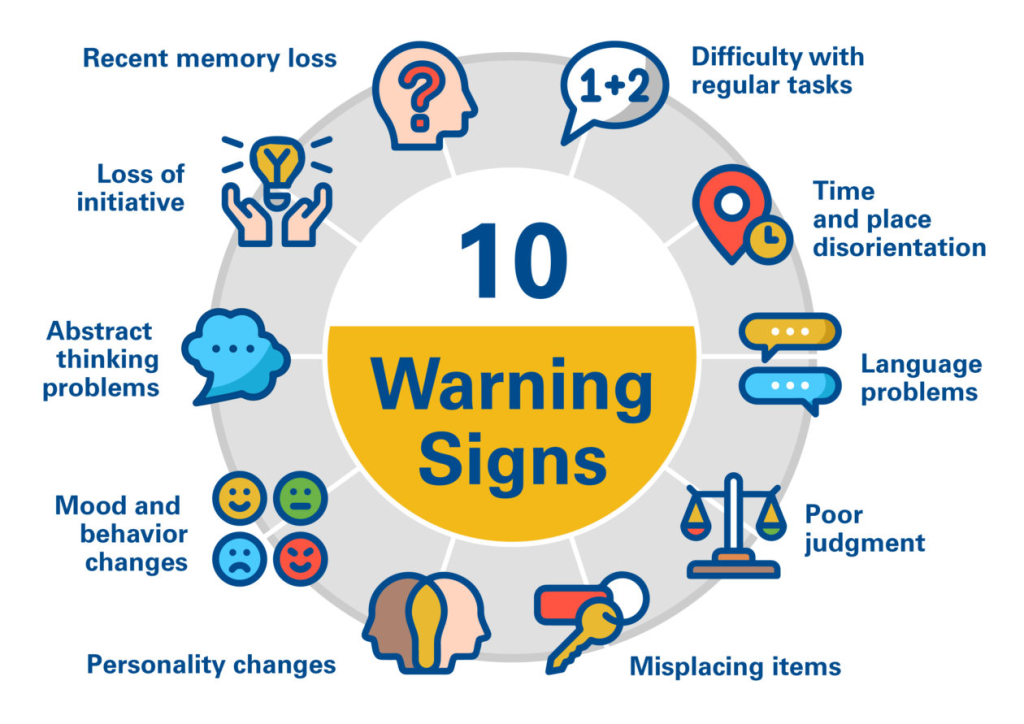
9. Changes in Mood and Personality
Mood swings and personality changes are common.
Examples:
- Becoming anxious or depressed
- Getting easily irritated
- Showing fear or suspicion
These emotional changes can be confusing for family members.
10. Difficulty Understanding Visual Images and Spatial Relationships
Vision problems can also be an early sign.
Examples:
- Trouble reading
- Difficulty judging distance
- Problems recognizing faces or objects
This can increase the risk of accidents and falls.
Difference Between Normal Aging and Alzheimer’s
| Normal Aging | Alzheimer’s Disease |
|---|---|
| Occasionally forgetting names | Forgetting names repeatedly |
| Missing a payment sometimes | Unable to manage finances |
| Misplacing items occasionally | Losing items and accusing others |
| Making a bad decision once in a while | Consistent poor judgment |
Causes of Alzheimer’s Disease
Although the exact cause is not fully known, some factors include:
- Age (most common factor)
- Family history
- Genetics
- Brain cell damage
- Lifestyle factors (diet, exercise, stress)
Risk Factors
- Age above 60
- Diabetes
- High blood pressure
- Obesity
- Smoking
- Lack of physical activity
When Should You See a Doctor?
You should consult a doctor if:
- Memory loss affects daily life
- You notice personality changes
- There is confusion about time/place
- Communication becomes difficult
Early consultation with specialists like Dr. Alok K Udiya and team at CVIC Indore can help in proper diagnosis and care.
Diagnosis of Alzheimer’s Disease
Doctors may use:
- Medical history
- Cognitive tests
- Brain imaging (MRI/CT scan)
- Blood tests
Early diagnosis helps in better management of symptoms.
Also Read: Best Treatment for Paralysis After Stroke | CVIC Indore
Treatment Options
There is no complete cure yet, but treatments can help manage symptoms:
1. Medications
- Improve memory and thinking
- Slow disease progression
2. Lifestyle Changes
- Healthy diet
- Regular exercise
- Mental activities (puzzles, reading)
3. Supportive Care
- Family support
- Counseling
- Routine management
Tips to Reduce Risk of Alzheimer’s
- Stay physically active
- Eat a healthy diet (fruits, vegetables, nuts)
- Keep your brain active
- Maintain social connections
- Control blood pressure and sugar
Role of Family and Caregivers
Caring for someone with Alzheimer’s requires patience and understanding.
Tips:
- Create a routine
- Keep environment safe
- Use reminders and labels
- Stay calm and supportive
Why Choose CVIC Indore for Brain Health?
CVIC Indore is known for advanced medical care and expert doctors like:
- Dr. Alok K Udiya
- Dr. Shailesh Gupta
- Dr. Nishant Bhargava
They focus on early diagnosis, patient care, and advanced treatment methods for neurological conditions.
Conclusion
Alzheimer’s Disease is a serious condition, but recognizing the early warning signs can make a big difference. If you or your loved one shows symptoms like memory loss, confusion, or behavior changes, do not ignore them.
Early diagnosis and proper care at trusted centers like CVIC Indore can help manage the condition and improve quality of life.
FAQs
1. What is the first sign of Alzheimer’s Disease?
Memory loss, especially forgetting recent events, is usually the first sign.
2. Is Alzheimer’s a normal part of aging?
No, it is a disease and not a normal aging process.
3. Can Alzheimer’s be cured?
There is no cure, but treatments can slow its progression.
4. At what age does Alzheimer’s start?
It usually starts after 60, but early-onset cases can occur.
5. When should I consult a doctor?
If memory loss or confusion starts affecting daily life, consult a doctor immediately.