Headaches are one of the most common health problems in the world. Almost everyone has experienced a headache at some point in life. But when headaches happen again and again for days, weeks, or months, they are no longer just a small problem. They become what doctors call chronic headaches.
Chronic headaches can deeply affect your daily life. They can stop you from working, sleeping, enjoying time with family, or simply living a normal life. While many people take painkillers and ignore the issue, chronic headaches can sometimes be a warning sign of serious problems inside the brain.
In this detailed blog, we will explain Chronic headache causes in brain. We will look at what chronic headaches really are, what causes them, what symptoms to watch out for, how doctors diagnose them, and how they can be treated. We will also share how the expert team at CVIC Indore, including Dr. Alok K Udiya, Dr. Shailesh Gupta, and Dr. Nishant Bhargava, helps patients overcome chronic headaches with advanced and personalized care.
What is a Chronic Headache?
A chronic headache is not just any normal headache. It is a headache that happens 15 or more days in a month, for at least 3 months in a row. Some chronic headaches last for a few hours, while others can continue for days. They may come and go or stay constant, but they always interfere with normal life.
Many people think a headache is just a temporary discomfort, but chronic headaches are very different. They are long-term, persistent, and often a sign that something in the body, especially the brain, is not working properly.
There are different types of chronic headaches such as chronic migraines, chronic tension-type headaches, cluster headaches, and headaches caused by medication overuse. While the exact pain pattern may differ, all chronic headaches share one common feature: they keep coming back.
Understanding the Chronic headache causes in brain is the first step to finding relief. As Dr. Alok K Udiya at CVIC Indore often says, treating chronic headaches needs more than just painkillers. It needs a proper diagnosis to find the root cause.
Also Read: 7 Essential Steps to Help Prevent a Brain Aneurysm
How Common Are Chronic Headaches?
Chronic headaches are surprisingly common. Studies show that around 4 to 5 percent of people across the world suffer from chronic headaches. Women are more likely to experience them than men. They are most often seen in adults between the ages of 20 and 50, though they can affect children and elderly people too.
In India, chronic headaches have become a growing health concern due to busy lifestyles, stress, poor sleep, screen time, and pollution. Many patients try home remedies and over-the-counter medicines for years before seeking proper medical help. By then, the condition may have worsened.
This is why the team at CVIC Indore stresses that anyone suffering from regular headaches should not wait. Early evaluation by experts like Dr. Shailesh Gupta and Dr. Nishant Bhargava can prevent long-term suffering and detect any hidden brain issues.
Also Read: Brain Stroke: Early Warning Signs and Prevention Tips
Understanding the Brain and Headaches
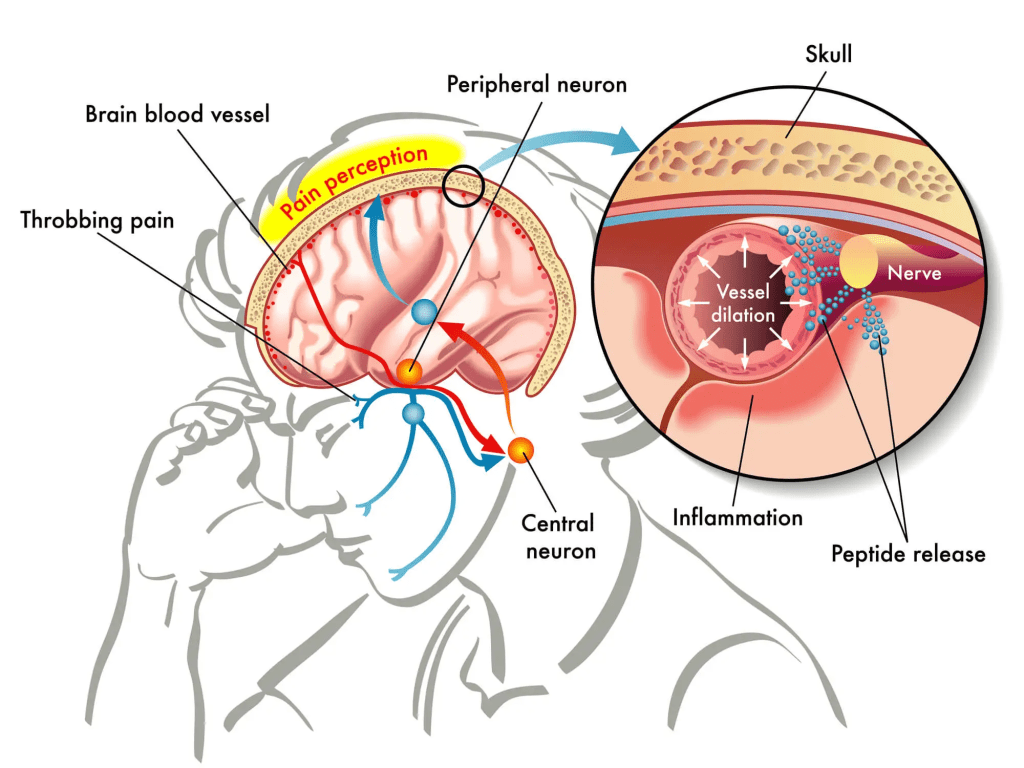
To understand the Chronic headache causes in brain, we first need to understand how the brain works in relation to pain. The brain itself does not feel pain. Yes, that may sound surprising, but the brain has no pain receptors of its own.
However, the brain is surrounded by tissues, blood vessels, nerves, and a covering called the meninges, which are very sensitive to pain. When something irritates these areas, it sends pain signals that we feel as a headache.
So, when we talk about chronic headache causes in the brain, we are really talking about what is happening to the nerves, blood vessels, fluid, and surrounding tissues of the brain that creates ongoing pain signals.
Also Read: Understanding Aneurysms Treatment in Indore – Neuro Intervention Explained
Major Chronic Headache Causes in Brain
Chronic headaches can come from many sources, but most are linked directly or indirectly to the brain. Let us go through the major causes one by one in simple words.
1. Migraine Disorders
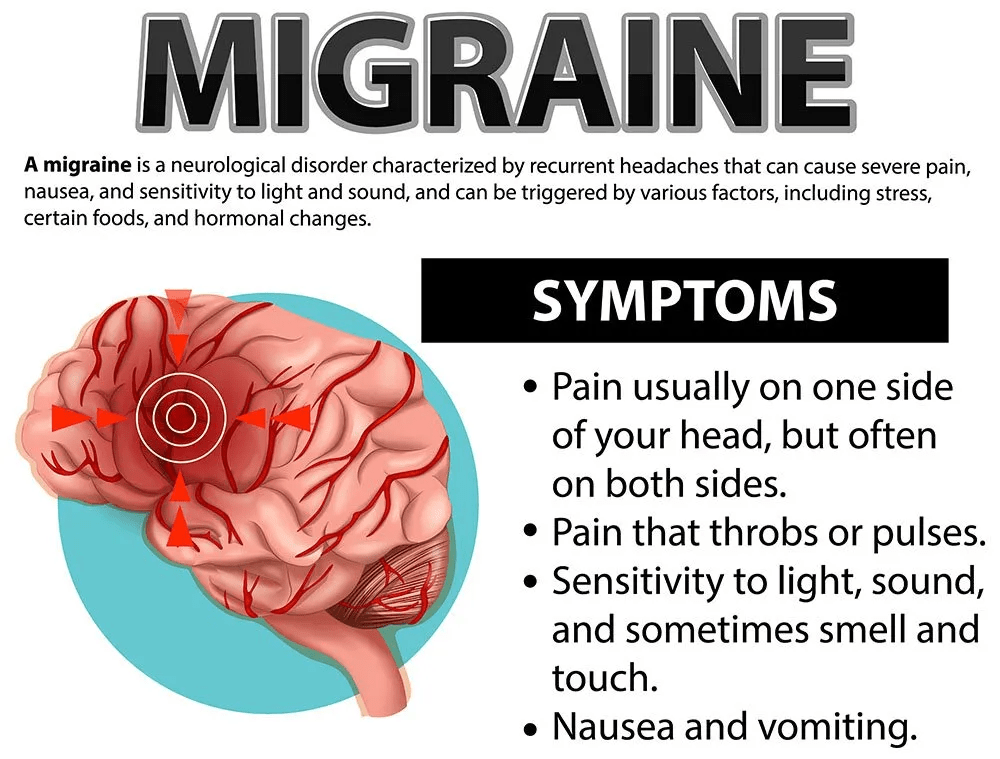
Migraine is one of the most common chronic headache causes in brain. It is a neurological condition where the brain becomes extra sensitive to certain triggers like light, sound, food, hormones, or stress. During a migraine, blood vessels in the brain expand, chemical signals go out of balance, and nerves become hyperactive. This causes intense throbbing pain, often on one side of the head, along with nausea, vomiting, and sensitivity to light.
When migraines happen more than 15 days a month, they are called chronic migraines. Chronic migraines can severely affect work, study, and family life. Specialists at CVIC Indore use modern techniques to help patients reduce migraine frequency and severity.
2. Tension in Brain and Nerves
Tension-type headaches are another big cause of chronic headaches. They happen when the muscles of the head, neck, and scalp become tight due to stress, poor posture, eye strain, or lack of sleep. This tension affects the nerves connected to the brain and triggers a steady, dull pain that feels like a tight band around the head.
When this happens regularly, it becomes chronic tension-type headache. Long hours on computers, mental stress, and lack of relaxation are common reasons in today’s lifestyle.
3. Blood Vessel Problems in the Brain
The brain is filled with thousands of blood vessels. When these vessels are not healthy, they can cause chronic headaches. Conditions like high blood pressure, narrow arteries, inflammation of blood vessels (vasculitis), or abnormal blood vessel connections (arteriovenous malformations) can trigger long-lasting headaches.
A brain aneurysm, which is a balloon-like bulge in a brain artery, can also cause persistent headaches. Dr. Alok K Udiya at CVIC Indore explains that vascular causes of headaches are serious because they can sometimes lead to stroke or brain bleeding if ignored.
4. Brain Tumors
Although less common, brain tumors can cause chronic headaches. As the tumor grows, it presses on nerves, blood vessels, or brain tissue, leading to pain. These headaches often get worse over time, are more severe in the morning, and may be accompanied by other symptoms like vomiting, vision problems, or weakness on one side of the body.
This is one of the most important reasons why chronic headaches should never be ignored. Early diagnosis can save lives. At CVIC Indore, advanced imaging is used to rule out tumors and other serious conditions.
5. Brain Infections
Infections like meningitis, encephalitis, or brain abscess can also cause chronic headaches. These infections lead to inflammation of brain tissues or its protective layers, causing severe and persistent head pain.
Other symptoms may include fever, stiff neck, confusion, or seizures. If these signs appear, it is a medical emergency that needs immediate attention.
6. Increased Brain Pressure
The brain is surrounded by a fluid called cerebrospinal fluid. When the pressure of this fluid rises too much, it causes a condition called intracranial hypertension. This results in chronic headaches that worsen with coughing, bending, or lying down.
This condition can happen due to brain tumors, blocked fluid pathways, or certain medications. Specialists at CVIC Indore use MRI and lumbar puncture tests when needed to diagnose this condition.
7. Brain Injuries and Concussions
Past head injuries can sometimes lead to long-term chronic headaches. Even a small concussion can cause changes in the brain that result in regular headaches months or years later. This is called post-traumatic headache. People who have had car accidents, falls, or sports injuries are more likely to develop these.
8. Hormonal Imbalance Affecting the Brain
The brain is closely linked with the body’s hormonal system. When hormones like estrogen, thyroid hormone, or stress hormones become imbalanced, they affect brain chemistry and trigger chronic headaches. This is why many women experience migraines during periods, pregnancy, or menopause.
9. Sleep Disorders and Brain Fatigue
Lack of proper sleep affects the brain deeply. Poor sleep increases brain inflammation, lowers pain tolerance, and disturbs the natural sleep-wake cycle. People who suffer from sleep apnea, insomnia, or irregular sleep often experience chronic headaches as the brain becomes overworked and tired.
Dr. Shailesh Gupta at CVIC Indore advises that fixing sleep patterns is often the first step toward reducing chronic headaches.
10. Medication Overuse Headaches
This may sound strange, but taking too many painkillers can actually cause chronic headaches. When pain medicines are used too often, the brain becomes dependent on them. Once the medicine wears off, the headache returns even stronger. This cycle leads to medication overuse headaches, also called rebound headaches.
People who take painkillers more than 2 to 3 times a week should consult specialists at CVIC Indore for proper guidance.
11. Stress and Anxiety
Stress is one of the biggest triggers of chronic headaches. When the brain is constantly under pressure, it releases stress chemicals that tighten muscles, raise blood pressure, and affect blood flow. Over time, this leads to repeated and persistent headaches.
Anxiety, depression, and panic disorders also play a major role. They make the brain more sensitive to pain and trigger frequent headaches even without a physical cause.
12. Eye Strain and Vision Problems
The brain works closely with the eyes. When the eyes are strained due to long screen time, poor lighting, or uncorrected vision, the brain has to work harder, leading to headaches. These headaches usually appear after reading, working on a computer, or driving for long hours.
Getting regular eye check-ups and using proper glasses can help reduce these chronic headaches.
13. Sinus and Ear Infections
Although not directly in the brain, infections in the sinuses and ears are close to the brain and can cause persistent headaches. These headaches usually feel like pressure around the eyes, cheeks, and forehead. Chronic sinusitis is a common cause that needs medical care.
14. Brain Chemistry Imbalance
The brain works through chemicals called neurotransmitters such as serotonin and dopamine. When these chemicals are out of balance, it can lead to chronic pain conditions including chronic headaches. This is why some headache medicines work on brain chemistry rather than just blocking pain.
15. Genetic and Hereditary Factors
Some people inherit a tendency to develop chronic headaches. If your parents or grandparents had chronic migraines or cluster headaches, you are more likely to experience them too. While we cannot change genetics, knowing about it helps doctors plan better treatments.
Symptoms to Watch For
Chronic headaches may differ in pattern, but some common symptoms include daily or near-daily head pain, dull or throbbing pain, pain that worsens with stress or activity, nausea, sensitivity to light and sound, blurred vision, neck stiffness, sleep problems, and difficulty concentrating.
If you experience these symptoms regularly, it is time to consult experts. The team at CVIC Indore, led by Dr. Alok K Udiya, can help find the exact reason and offer the right solution.
Warning Signs That Need Immediate Attention
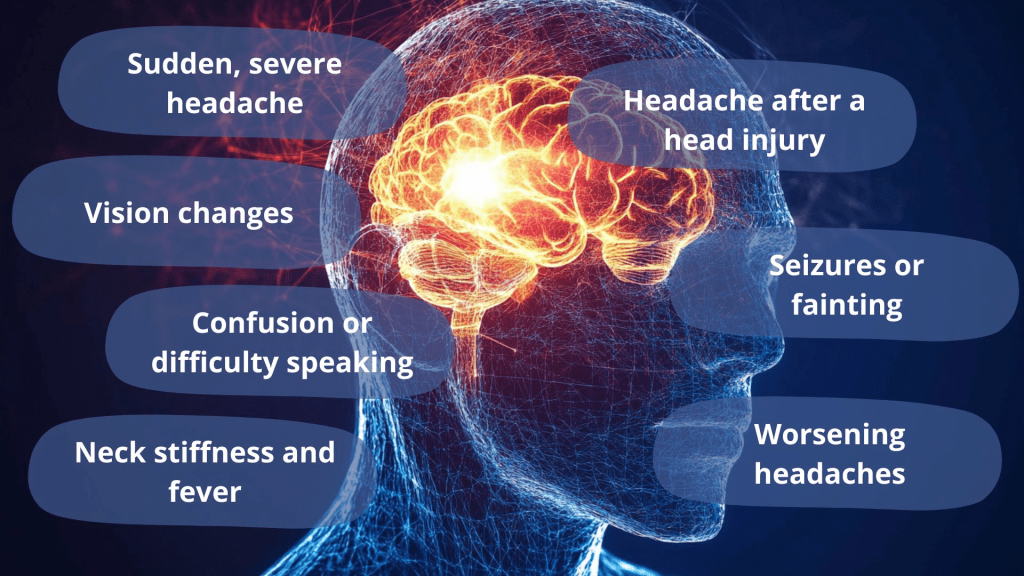
While many chronic headaches are not life-threatening, some warning signs should never be ignored. These include sudden severe headache like a thunderclap, headache with high fever and stiff neck, headache after a head injury, headache with vision loss, slurred speech, weakness on one side of the body, or loss of balance.
These can indicate serious conditions like stroke, brain hemorrhage, aneurysm rupture, or brain infection. In such cases, rush to CVIC Indore or the nearest emergency hospital immediately.
How Are Chronic Headaches Diagnosed?
Finding the cause of chronic headaches involves a careful step-by-step process. Doctors begin with a detailed history of the headaches, including how long they last, when they happen, what triggers them, and what relieves them.
Next, a physical and neurological examination is done to check vision, balance, reflexes, and brain function. Based on this, specialists may order specific tests.
A CT scan is often used as the first imaging test to look at the brain structure. MRI provides more detailed images of brain tissues and blood vessels. MRA, or magnetic resonance angiography, is used to study arteries in the brain. In some cases, a lumbar puncture is done to check the brain fluid pressure.
Blood tests are sometimes needed to find infections, hormonal problems, or autoimmune diseases. CVIC Indore is equipped with advanced imaging and laboratory facilities, ensuring fast and accurate diagnosis under one roof.
Dr. Nishant Bhargava explains that a correct diagnosis is the most important step. Without knowing the real cause, treatment cannot be effective.
Treatment Options for Chronic Headaches
The treatment of chronic headaches depends on the exact cause. The good news is that with the right treatment, most patients can experience major relief and lead a normal life.
Medications
Different medicines are used for different types of chronic headaches. These include pain relievers for short-term use, triptans for migraines, beta-blockers and antidepressants for migraine prevention, antiseizure medicines for nerve-related headaches, and muscle relaxants for tension headaches.
In some cases, Botox injections are used for chronic migraines. Newer drugs called CGRP inhibitors have shown great results in preventing migraines.
Lifestyle Changes
Lifestyle plays a huge role in chronic headaches. Regular sleep, balanced diet, daily exercise, stress management, and screen time control can dramatically reduce headache frequency. Avoiding triggers like caffeine, alcohol, processed food, and skipping meals is also important.
Stress Management Therapies
Yoga, meditation, deep breathing, and counseling help reduce stress and anxiety, which are major chronic headache causes in brain. Cognitive Behavioral Therapy (CBT) is also useful for many patients.
Physical Therapy
For patients with chronic tension-type headaches or neck problems, physical therapy and posture correction can be very helpful. Exercises that strengthen neck and shoulder muscles often reduce headaches.
Surgical or Interventional Treatments
In rare cases where headaches are caused by brain tumors, aneurysms, or vascular problems, surgery or interventional procedures may be needed. CVIC Indore is well known for handling such complex cases with advanced techniques.
Dr. Alok K Udiya, Dr. Shailesh Gupta, and Dr. Nishant Bhargava work together to design personalized treatment plans for each patient.
Lifestyle Tips to Prevent Chronic Headaches
Prevention is always better than cure. Here are simple lifestyle tips that can help reduce chronic headaches.
Drink plenty of water every day. Dehydration is a common but ignored cause of headaches. Get 7 to 8 hours of quality sleep daily. Maintain regular meal timings and avoid skipping meals. Reduce caffeine intake and avoid alcohol. Limit screen time and take breaks while working. Practice deep breathing or meditation daily. Exercise regularly such as walking, yoga, or swimming. Avoid loud noises and harsh lights when possible. Manage stress through hobbies, music, or counseling.
These small steps can bring big changes. As Dr. Shailesh Gupta says, a healthy lifestyle is the best medicine for chronic headaches.
When to See a Doctor
You should consult a doctor if your headaches happen more than 4 times a month, if painkillers stop working, if the pain disturbs sleep or work, if you notice new symptoms like vision loss or weakness, or if there is a family history of brain disease.
Early consultation at CVIC Indore can prevent complications and help you find lasting relief.
Why Choose CVIC Indore for Chronic Headache Treatment?
CVIC Indore, known as the Center for Vascular and Interventional Cardiology, is one of the leading centers in Central India for treating brain and heart conditions. The center is known for combining advanced technology with compassionate care.
Dr. Alok K Udiya leads the team with years of experience in interventional cardiology and neurovascular care. His expertise in complex cases has helped many patients overcome long-standing brain issues including chronic headaches caused by vascular problems.
Dr. Shailesh Gupta is widely respected for his diagnostic precision and patient-centered approach. He believes in finding the root cause of every headache rather than just treating the pain.
Dr. Nishant Bhargava brings deep knowledge of modern brain imaging and minimally invasive treatments. He has helped countless patients return to a pain-free life through advanced techniques.
CVIC Indore offers 24×7 emergency care, the latest CT, MRI, MRA, and DSA imaging, world-class operation theaters, expert consultations, and dedicated rehabilitation support.
Brain Health and Chronic Headache: The Connection
The brain is the control center of the body. When something is wrong inside it, the body sends signals, and chronic headaches are often one of those signals. Many people ignore these signals for years, only to discover deeper issues later.
This is why understanding the Chronic headache causes in brain matters. It empowers you to take action early. Whether it is a vascular issue, stress, infection, hormonal imbalance, or any other reason, the sooner you act, the better the outcome.
Dr. Alok K Udiya often reminds his patients that pain is the body’s language. Listening to it carefully can save you from bigger problems.
Myths and Facts About Chronic Headaches
There are many myths around chronic headaches. Let us clear some common ones.
Myth: Headaches are not a serious problem. Fact: Chronic headaches can be a sign of serious brain conditions and should not be ignored.
Myth: Painkillers can cure chronic headaches. Fact: Painkillers only mask the pain. Overuse can actually make headaches worse.
Myth: Only adults have chronic headaches. Fact: Children and teenagers can also suffer from chronic headaches, especially due to stress and screen time.
Myth: Chronic headaches mean a brain tumor. Fact: While tumors can cause headaches, most chronic headaches are due to migraines, tension, or vascular issues.
Myth: Surgery is the only solution. Fact: Most chronic headaches can be treated with medicines, lifestyle changes, and therapy. Surgery is only needed in rare cases.
Knowing the truth helps patients make better decisions. At CVIC Indore, the medical team takes time to educate patients about their condition and treatment.
How CVIC Indore Helps Patients with Chronic Headaches
CVIC Indore follows a complete care approach for chronic headache patients. The process includes detailed consultation and history-taking, advanced diagnostic tests like MRI, MRA, CT angiography, and blood tests, personalized treatment plans based on the cause, modern therapies including medications, lifestyle counseling, and interventional procedures, and long-term follow-up to ensure lasting results.
Patients also receive support for stress management, sleep care, and nutritional guidance, making the treatment holistic and effective.
Frequently Asked Questions
Can chronic headaches be cured completely? Yes, in many cases, chronic headaches can be cured or significantly reduced with proper diagnosis and treatment.
Are chronic headaches dangerous? They can be, especially if caused by serious brain issues. That is why timely consultation is important.
What is the best test for chronic headache diagnosis? MRI is often the best test, but doctors may also recommend CT scan, MRA, blood tests, or lumbar puncture depending on the case.
Can children have chronic headaches? Yes, even children can suffer from chronic headaches. Stress, school pressure, and screen time are major reasons today.
Is medication overuse really a cause of chronic headaches? Yes. Taking painkillers too often can cause rebound headaches that worsen over time.
How long does treatment take to show results? This depends on the cause. Some patients see results in weeks, while others may need a few months for full recovery.
The Future of Chronic Headache Treatment
Medical science is making great progress in understanding and treating chronic headaches. New medicines like CGRP inhibitors, advanced Botox protocols, neuromodulation devices, and AI-based diagnostic tools are giving better results than ever before.
Personalized medicine is also growing, where treatment is designed based on a person’s unique genetic and lifestyle profile. CVIC Indore stays updated with these advances and brings them to patients in Indore and across Madhya Pradesh.
Final Thoughts
Chronic headaches are more than just a regular pain. They are signals from your brain that something needs attention. Ignoring them or relying only on painkillers can make the problem worse over time.
The good news is that with the right care, most chronic headaches can be controlled, reduced, or even cured. The key is to understand the real Chronic headache causes in brain and treat them at the root.
CVIC Indore, with the expert team of Dr. Alok K Udiya, Dr. Shailesh Gupta, and Dr. Nishant Bhargava, is here to guide you on this journey. Whether your headaches are caused by migraines, stress, vascular issues, or any other reason, the team uses advanced diagnostics and personalized care to bring back your quality of life.
Do not let chronic headaches steal your happiness, productivity, or peace of mind. Take action today. Visit CVIC Indore and discover a pain-free, healthier tomorrow.
Your brain deserves the best care, and CVIC Indore is here to provide it with expertise, compassion, and the latest medical technology. Reach out for a consultation, get the right diagnosis, and start your journey toward lasting relief from chronic headaches.