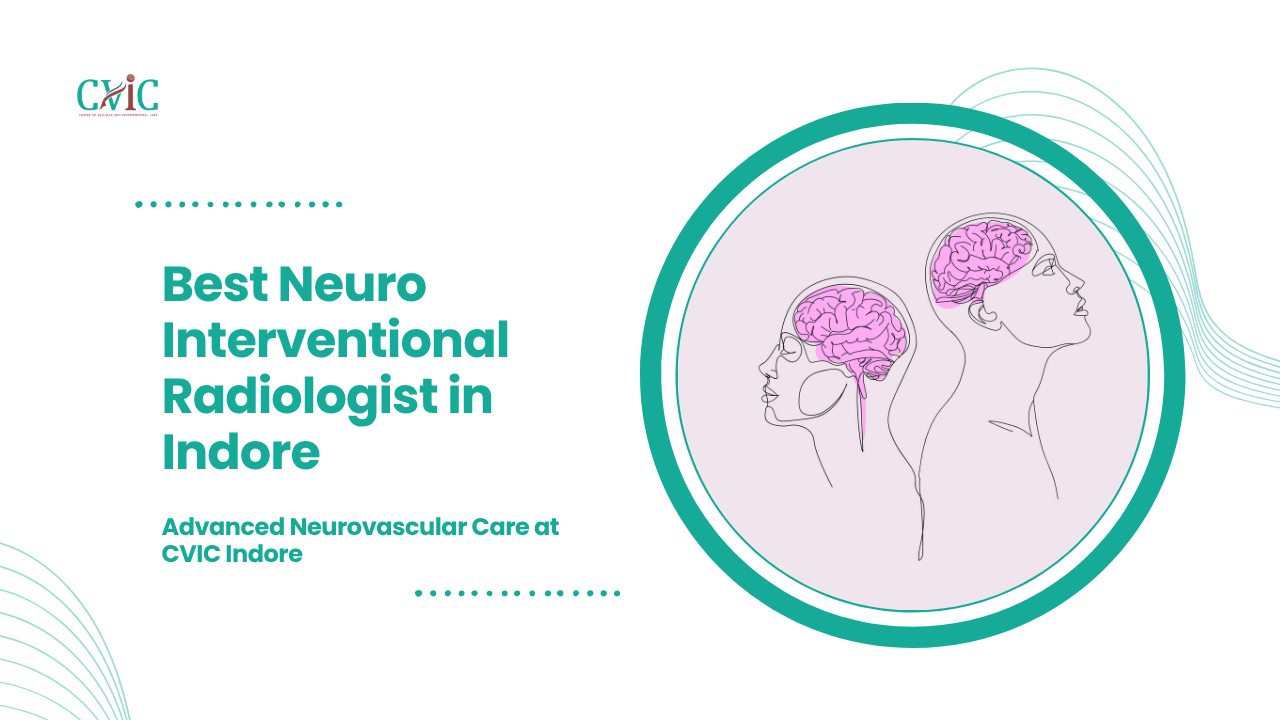
Neurological disorders involving the brain, spinal cord, and blood vessels often require highly specialized treatment. Conditions such as brain aneurysms, stroke, brain arteriovenous malformations (AVMs), carotid artery stenosis, spinal vascular disorders, and certain tumors can now be treated using advanced minimally invasive techniques, reducing the need for traditional open surgery in many cases.
If you are searching for the Best neuro interventional radiologist in Indore, choosing a center with experienced specialists, advanced imaging technology, and comprehensive neurovascular care is essential.
At CVIC Indore, expert specialists including Dr. Alok K Udiya, Dr. Shailesh Gupta, and Dr. Nishant Bhargava provide advanced neuro-interventional procedures using modern catheter-based techniques. Conveniently located near Gita Bhawan Indore, CVIC offers personalized care for patients with complex neurovascular conditions.
This guide explains what neuro interventional radiology is, which conditions it treats, the available procedures, and why choosing an experienced specialist is important.
What Is Neuro Interventional Radiology?
Neuro interventional radiology (also called endovascular neurosurgery or interventional neuroradiology) is a super-specialized field that uses image-guided, minimally invasive procedures to diagnose and treat diseases affecting the brain, spinal cord, head, neck, and blood vessels.
Instead of making large surgical incisions, specialists use tiny catheters inserted through an artery—typically in the wrist or groin—to access affected blood vessels.
Real-time imaging guides the procedure with high precision.
Also Read: Understanding Aneurysms Treatment in Indore – Neuro Intervention Explained
What Does a Neuro Interventional Radiologist Treat?
A neuro interventional radiologist manages a wide range of neurovascular conditions.
Common conditions include:
- Brain Aneurysm
- Acute Ischemic Stroke
- Brain Arteriovenous Malformation (AVM)
- Dural Arteriovenous Fistula (DAVF)
- Carotid Artery Stenosis
- Intracranial Artery Narrowing
- Brain Vascular Malformations
- Vertebral Artery Disease
- Spinal Vascular Malformations
- Certain Head and Neck Tumors
- Vascular Compression Syndromes
- Cerebral Venous Disorders
Why Neuro Interventional Radiology Is Important
Advances in neuro-interventional techniques have transformed the treatment of many neurological conditions.
Benefits include:
- Minimally invasive procedures
- Smaller puncture site
- Reduced pain
- Lower infection risk
- Faster recovery
- Shorter hospital stay
- Less blood loss
- Earlier return to daily activities
Not every condition is suitable for minimally invasive treatment, but many patients benefit from these advanced techniques.
Also Read: What is Interventional Radiology? Your Guide to Minimally Invasive Treatments
Common Neuro Interventional Procedures
1. Brain Aneurysm Coiling
A brain aneurysm is a weakened bulge in a blood vessel.
During coiling:
- A catheter reaches the aneurysm.
- Tiny platinum coils are inserted.
- Blood flow into the aneurysm is reduced.
- The risk of rupture decreases.
For many patients, coiling avoids the need for open brain surgery.
2. Mechanical Thrombectomy for Stroke
Acute ischemic stroke occurs when a clot blocks blood flow to the brain.
Mechanical thrombectomy involves:
- Guiding a catheter to the blocked artery.
- Removing the clot.
- Restoring blood circulation.
When performed promptly in eligible patients, thrombectomy can significantly improve outcomes.
3. Carotid Artery Stenting
Blocked carotid arteries increase the risk of stroke.
During carotid artery stenting:
- Narrowed arteries are widened.
- A stent helps maintain blood flow.
- Stroke risk may be reduced in appropriately selected patients.
4. AVM Embolization
Brain arteriovenous malformations are abnormal connections between arteries and veins.
Embolization blocks the abnormal vessels using specialized materials to reduce blood flow.
5. Dural AV Fistula Treatment
Dural arteriovenous fistulas are abnormal vascular connections around the brain.
They are commonly treated using catheter-based embolization techniques.
6. Tumor Embolization
Some highly vascular tumors benefit from embolization before surgery to reduce blood loss.
Treatment decisions are individualized based on tumor type and location.
Also Read: Role of an Interventional Radiologist in Treating Vascular Conditions
Conditions That May Require a Neuro Interventional Radiologist
Patients should seek specialist evaluation if they experience:
- Sudden severe headache
- Stroke symptoms
- Facial weakness
- Difficulty speaking
- Sudden vision loss
- Recurrent transient ischemic attacks (TIAs)
- Brain aneurysm diagnosis
- Brain vascular malformations
- Persistent neurological symptoms
- Spinal vascular abnormalities
Early diagnosis and timely treatment can improve outcomes.
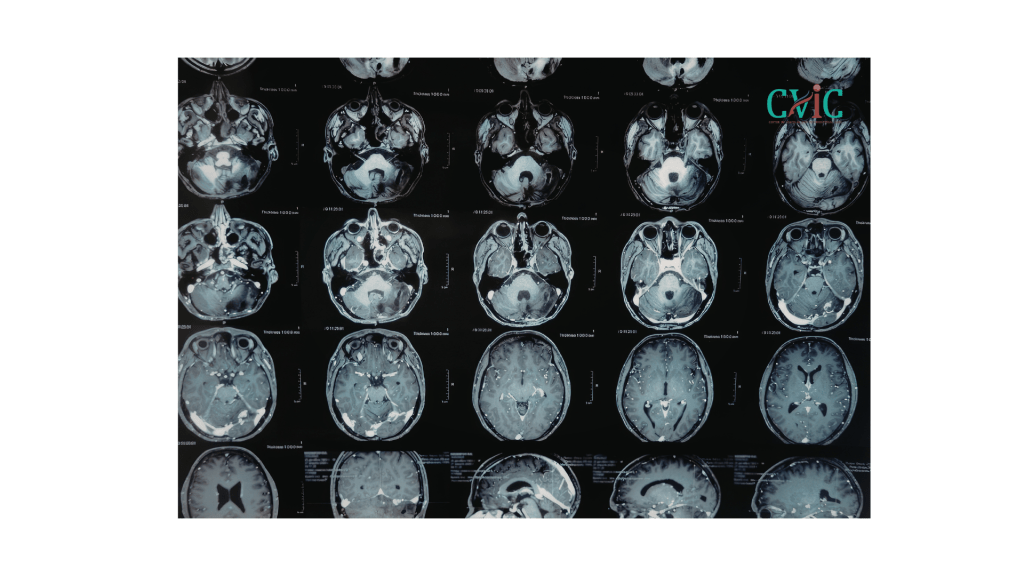
How Neurovascular Diseases Are Diagnosed
Accurate diagnosis guides treatment planning.
Common investigations include:
MRI Brain
Provides detailed images of brain tissue.
CT Scan
Useful for emergency neurological evaluation.
CT Angiography (CTA)
Visualizes arteries supplying the brain.
MR Angiography (MRA)
Evaluates blood vessels without invasive procedures.
Digital Subtraction Angiography (DSA)
DSA is considered the gold standard for evaluating many neurovascular disorders.
It provides highly detailed images of blood vessels and helps guide treatment planning.
Advantages of Minimally Invasive Neurovascular Treatment
Compared with traditional open surgery, minimally invasive procedures may offer:
- Smaller incision
- Less postoperative pain
- Reduced blood loss
- Lower infection risk
- Shorter hospital stay
- Faster rehabilitation
- Earlier return to work
- Better cosmetic results
The most appropriate treatment depends on the patient’s individual condition.
Who Is at Higher Risk of Neurovascular Disease?
Risk factors include:
- High blood pressure
- Diabetes
- Smoking
- High cholesterol
- Obesity
- Family history
- Increasing age
- Previous stroke
- Heart disease
Managing these factors can help reduce the risk of certain neurovascular conditions.
Recovery After Neuro Interventional Procedures
Recovery depends on the condition treated and the specific procedure.
Many patients:
- Walk within 24 hours
- Leave the hospital within a few days
- Resume normal activities relatively quickly
- Require follow-up imaging
- Continue medications as prescribed
Recovery plans are individualized.
Why Choose CVIC Indore?
Patients from Indore and surrounding regions trust CVIC Indore for comprehensive neurovascular care.
Highlights
- Advanced neurovascular imaging
- Modern angiography suite
- Experienced neuro-interventional specialists
- Personalized treatment plans
- Multidisciplinary care
- Comprehensive follow-up
- Focus on minimally invasive procedures when appropriate
The center is led by experienced specialists including Dr. Alok K Udiya, Dr. Shailesh Gupta, and Dr. Nishant Bhargava, providing advanced neurovascular treatment near Gita Bhawan Indore.
Tips to Keep Your Brain Blood Vessels Healthy
Protecting your vascular health can reduce the risk of stroke and other neurovascular conditions.
Healthy habits include:
- Control blood pressure
- Manage diabetes
- Quit smoking
- Exercise regularly
- Eat a balanced diet
- Maintain a healthy weight
- Reduce salt intake
- Take prescribed medications
- Attend regular health check-ups
When Should You Seek Emergency Care?
Seek immediate medical attention if you notice:
- Sudden weakness on one side of the body
- Difficulty speaking
- Loss of vision
- Severe headache
- Loss of consciousness
- Seizures
- Sudden confusion
- Difficulty walking
Rapid treatment is especially important in stroke care.
Frequently Asked Questions
1. What does a neuro interventional radiologist do?
A neuro interventional radiologist diagnoses and treats disorders of the brain, spine, and blood vessels using minimally invasive catheter-based procedures guided by advanced imaging.
2. Who is the best neuro interventional radiologist in Indore?
Patients seeking advanced neurovascular evaluation can consult the experienced specialists at CVIC Indore, including Dr. Alok K Udiya, Dr. Shailesh Gupta, and Dr. Nishant Bhargava.
3. What diseases are treated by neuro interventional radiology?
Common conditions include brain aneurysms, stroke, AVMs, carotid artery stenosis, dural AV fistulas, vascular malformations, and selected tumors.
4. Is neuro interventional treatment safe?
Like all medical procedures, neuro-interventional treatments carry risks. However, when performed by experienced specialists in appropriately selected patients, these procedures have become an important part of modern neurological care.
5. Is brain aneurysm always treated with surgery?
Not always. Many aneurysms can be treated with minimally invasive endovascular coiling or flow-diverter techniques, depending on their characteristics.
6. What is mechanical thrombectomy?
Mechanical thrombectomy is a catheter-based procedure that removes blood clots from blocked brain arteries in eligible patients with acute ischemic stroke.
7. What is DSA?
Digital Subtraction Angiography (DSA) is a specialized imaging test used to evaluate blood vessels in the brain and spinal cord and to guide certain treatments.
8. How long is recovery after neuro-interventional procedures?
Recovery varies by condition and procedure. Many patients recover faster than they would after open surgery, although individual experiences differ.
9. Do all stroke patients need thrombectomy?
No. Eligibility depends on factors such as the type of stroke, location of the blockage, timing, and imaging findings.
10. Where can I receive advanced neurovascular treatment in Indore?
Patients can consult CVIC Indore, located near Gita Bhawan Indore, where Dr. Alok K Udiya, Dr. Shailesh Gupta, and Dr. Nishant Bhargava provide comprehensive neurovascular evaluation and treatment.
Conclusion
Finding the Best neuro interventional radiologist in Indore involves choosing experienced specialists with expertise in advanced imaging, minimally invasive procedures, and comprehensive neurovascular care. Conditions such as brain aneurysms, stroke, carotid artery disease, AVMs, and other vascular disorders require timely diagnosis and personalized treatment planning.
At CVIC Indore, Dr. Alok K Udiya, Dr. Shailesh Gupta, and Dr. Nishant Bhargava offer state-of-the-art neuro-interventional services using modern technology and evidence-based treatment approaches. Conveniently located near Gita Bhawan Indore, the center is dedicated to providing high-quality, patient-centered neurovascular care.
If you or a loved one experiences symptoms of a neurovascular condition, seeking prompt medical evaluation can play a critical role in improving outcomes and preserving neurological function.