

A brain blood clot is a serious medical condition that can interrupt the normal flow of blood to the brain, potentially leading to an ischemic stroke or other neurological complications. Understanding the causes of brain blood clots is essential because early diagnosis and timely treatment can significantly reduce the risk of permanent brain damage and improve recovery.
Brain blood clots can affect people of all ages, although they are more common in older adults and individuals with certain medical conditions. Many of the underlying causes are preventable or manageable with the right medical care and healthy lifestyle choices.
At CVIC Indore, experienced neurovascular specialists Dr. Alok K Udiya, Dr. Shailesh Gupta, and Dr. Nishant Bhargava provide advanced diagnosis and minimally invasive treatment for stroke and other neurovascular disorders. Located near Gita Bhawan Indore, CVIC offers comprehensive care using state-of-the-art imaging and evidence-based treatment protocols.
This detailed guide explains the causes of brain blood clots, symptoms, diagnosis, treatment options, prevention strategies, and when to seek emergency medical attention.
What Is a Brain Blood Clot?
A brain blood clot occurs when a clot blocks or significantly reduces blood flow to part of the brain.
Because brain cells require a continuous supply of oxygen and nutrients, even a short interruption in blood flow can cause permanent damage.
Most brain blood clots are associated with ischemic stroke, which accounts for approximately 80–85% of all strokes.
How Does a Brain Blood Clot Form?
Blood normally flows smoothly through healthy arteries.
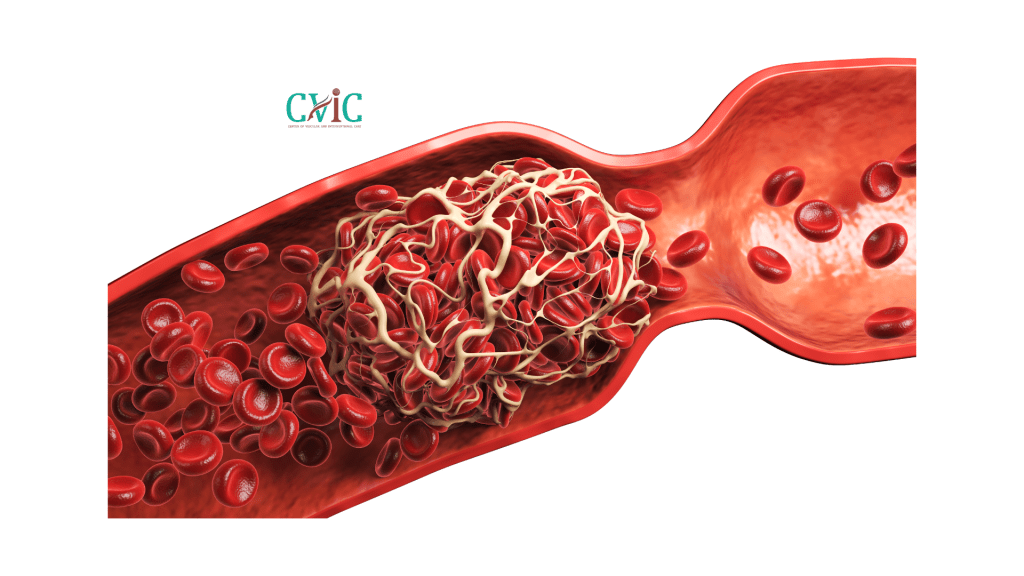
A clot may form when:
- Blood flow slows down.
- Blood becomes more likely to clot.
- Blood vessels become damaged.
- Plaque narrows the arteries.
- A clot forms elsewhere in the body and travels to the brain.
Once the clot blocks an artery, the affected part of the brain no longer receives adequate oxygen.
Also Read: Frequent Blackout or Fainting – Brain Issue? What Your Episodes Are Really Telling You
What Are the Causes of Brain Blood Clots?
Several medical conditions and lifestyle factors increase the risk of developing brain blood clots.
1. Atherosclerosis
One of the most common causes is atherosclerosis, where fatty deposits (plaque) build up inside arteries.
These plaques can:
- Narrow blood vessels
- Reduce blood flow
- Rupture and trigger clot formation
2. High Blood Pressure
Persistent high blood pressure damages artery walls over time, making them more susceptible to narrowing and clot formation.
Proper blood pressure control is one of the most effective ways to reduce stroke risk.
3. Atrial Fibrillation (AF)
Atrial fibrillation is an irregular heart rhythm that allows blood to pool in the heart.
This pooled blood can form clots that travel to the brain and cause an ischemic stroke.
AF is one of the leading causes of embolic stroke.
4. Diabetes
High blood sugar damages blood vessels and accelerates atherosclerosis.
People with diabetes have a significantly increased risk of stroke and vascular disease.
5. High Cholesterol
Elevated cholesterol levels contribute to plaque formation in arteries, increasing the likelihood of blockage and clot formation.
6. Smoking
Smoking damages blood vessels, increases blood clotting tendencies, and reduces oxygen delivery.
Quitting smoking substantially lowers the risk of stroke.
7. Obesity
Excess body weight increases the likelihood of:
- Diabetes
- High blood pressure
- High cholesterol
- Heart disease
All of these conditions raise the risk of brain blood clots.
8. Heart Disease
Several heart conditions can increase clot formation, including:
- Heart valve disease
- Heart failure
- Previous heart attack
- Cardiomyopathy
9. Carotid Artery Disease
The carotid arteries supply blood to the brain.
When these arteries become narrowed due to plaque, blood flow is reduced and clots may develop.
10. Blood Clotting Disorders
Certain inherited or acquired disorders make blood clot more easily than normal.
Examples include:
- Antiphospholipid syndrome
- Protein C deficiency
- Protein S deficiency
- Factor V Leiden mutation
These conditions require specialist evaluation and management.
11. Certain Medications
Some medications, including certain hormone therapies, may increase the risk of blood clot formation in susceptible individuals.
Medication-related risks should always be discussed with a healthcare professional.
12. Lack of Physical Activity
A sedentary lifestyle contributes to obesity, diabetes, poor circulation, and cardiovascular disease, indirectly increasing stroke risk.
Also Read: Brain Stroke Treatment Cost in India: A Complete Guide by CVIC Indore
Symptoms of a Brain Blood Clot
Symptoms often appear suddenly.
Common warning signs include:
- Sudden weakness on one side of the body
- Facial drooping
- Difficulty speaking
- Difficulty understanding speech
- Vision loss
- Sudden dizziness
- Loss of balance
- Severe headache
- Numbness
- Confusion
Recognizing symptoms quickly can be life-saving.
Remember the FAST Test
F – Face Drooping
One side of the face droops.
A – Arm Weakness
Difficulty lifting one arm.
S – Speech Difficulty
Speech becomes slurred or difficult.
T – Time to Call Emergency Medical Services
Immediate medical attention is essential.
Who Is at Higher Risk?
Higher-risk individuals include those with:
- Diabetes
- High blood pressure
- High cholesterol
- Smoking history
- Heart disease
- Obesity
- Family history of stroke
- Previous TIA or stroke
- Kidney disease
- Advanced age
Regular medical check-ups can help identify and manage these risk factors.
How Are Brain Blood Clots Diagnosed?
Rapid diagnosis is critical.
Common investigations include:
CT Brain
Often the first imaging test used in emergency settings.
MRI Brain
Provides detailed images of brain tissue and helps identify areas affected by reduced blood flow.
CT Angiography (CTA)
Visualizes brain arteries and detects blockages.
MR Angiography (MRA)
Evaluates blood vessels without invasive procedures.
Digital Subtraction Angiography (DSA)
DSA is considered the gold standard for detailed evaluation of brain blood vessels and is used when precise vascular imaging or endovascular treatment planning is required.
Blood Tests
These may help identify clotting disorders, diabetes, cholesterol abnormalities, and other contributing conditions.
Also Read: What Happens During a Brain Stroke? A Complete Guide
Treatment for Brain Blood Clots
Treatment depends on the cause, location of the clot, timing of symptom onset, and the patient’s overall condition.
Intravenous Thrombolysis
Eligible patients with acute ischemic stroke may receive clot-dissolving medication within the recommended treatment window.
Mechanical Thrombectomy
Mechanical thrombectomy is a minimally invasive procedure performed in selected patients with large artery blockages.
The procedure involves:
- Inserting a catheter through the wrist or groin
- Navigating to the blocked artery
- Removing the clot
- Restoring blood flow
Early thrombectomy can significantly improve neurological outcomes in appropriate patients.
Medications
Doctors may prescribe:
- Antiplatelet medications
- Anticoagulants
- Cholesterol-lowering medications
- Blood pressure medications
Treatment is tailored to the underlying cause.
Can Brain Blood Clots Be Prevented?
Many brain blood clots can be prevented through healthy lifestyle choices and effective management of medical conditions.
Preventive measures include:
- Control blood pressure
- Manage diabetes
- Maintain healthy cholesterol levels
- Stop smoking
- Exercise regularly
- Maintain a healthy weight
- Eat a balanced diet
- Limit alcohol consumption
- Take prescribed medications
- Attend regular medical check-ups
Why Choose CVIC Indore?
Patients with stroke and neurovascular disorders choose CVIC Indore for comprehensive evaluation and advanced minimally invasive treatment.
Highlights
- Advanced neurovascular imaging
- Digital Subtraction Angiography (DSA)
- Modern angiography suite
- Mechanical thrombectomy expertise
- Personalized treatment plans
- Multidisciplinary approach
- Comprehensive follow-up care
The center is led by Dr. Alok K Udiya, Dr. Shailesh Gupta, and Dr. Nishant Bhargava, providing expert neurovascular care near Gita Bhawan Indore.
When Should You Seek Emergency Medical Attention?
Seek immediate medical care if you experience:
- Sudden weakness
- Facial drooping
- Difficulty speaking
- Vision loss
- Sudden severe headache
- Seizures
- Loss of consciousness
- Sudden confusion
- Difficulty walking
Early treatment offers the best chance of recovery.
Frequently Asked Questions
1. What are the causes of brain blood clots?
Common causes include atherosclerosis, atrial fibrillation, high blood pressure, diabetes, smoking, high cholesterol, obesity, carotid artery disease, heart disease, and certain blood clotting disorders.
2. Can a brain blood clot cause a stroke?
Yes. Most ischemic strokes occur when a blood clot blocks blood flow to part of the brain.
3. What is the first sign of a brain blood clot?
Sudden weakness, facial drooping, speech difficulty, vision changes, or loss of balance are common warning signs.
4. Are brain blood clots life-threatening?
Yes. Without prompt treatment, brain blood clots can lead to permanent neurological damage or death.
5. How are brain blood clots diagnosed?
Doctors may use CT scans, MRI, CT angiography, MR angiography, Digital Subtraction Angiography (DSA), and blood tests.
6. Can brain blood clots be removed without open surgery?
Yes. Mechanical thrombectomy is a minimally invasive procedure used to remove blood clots in selected patients with acute ischemic stroke.
7. Can young people develop brain blood clots?
Yes. Although more common in older adults, brain blood clots can occur at any age due to heart disease, clotting disorders, or other medical conditions.
8. How can I reduce my risk?
Managing blood pressure, diabetes, cholesterol, avoiding smoking, staying physically active, and maintaining a healthy weight can significantly reduce the risk.
9. What is DSA?
Digital Subtraction Angiography (DSA) is an advanced imaging technique used to evaluate brain blood vessels and guide certain endovascular procedures.
10. Where can I receive advanced treatment for brain blood clots in Indore?
Patients can consult CVIC Indore, near Gita Bhawan Indore, where Dr. Alok K Udiya, Dr. Shailesh Gupta, and Dr. Nishant Bhargava provide advanced diagnosis and neurovascular treatment.
Conclusion
Understanding the causes of brain blood clots is the first step toward prevention and early treatment. Conditions such as high blood pressure, atrial fibrillation, diabetes, smoking, high cholesterol, and carotid artery disease significantly increase the risk of clot formation. Recognizing stroke symptoms early and seeking immediate medical attention can make a substantial difference in recovery and long-term outcomes.
Advances in imaging and minimally invasive procedures such as mechanical thrombectomy have transformed the treatment of brain blood clots for many eligible patients.
At CVIC Indore, Dr. Alok K Udiya, Dr. Shailesh Gupta, and Dr. Nishant Bhargava provide comprehensive evaluation, advanced neurovascular imaging, and evidence-based treatment using modern technology. Located near Gita Bhawan Indore, CVIC is committed to delivering timely, personalized care for patients with stroke and other neurovascular disorders.