Healthcare in India is rapidly evolving, and patients today are actively looking for treatments that are effective, safe, and require minimal recovery time. In this transformation, minimally invasive procedures have emerged as a game-changer—especially for patients who want to avoid major surgery, long hospital stays, and painful recovery.
If you are searching for Minimally Invasive Procedures in Indore, this guide will help you understand what these treatments are, how they work, who they are for, and why CVIC Indore is becoming a trusted destination for advanced non-surgical care.
What Are Minimally Invasive Procedures?
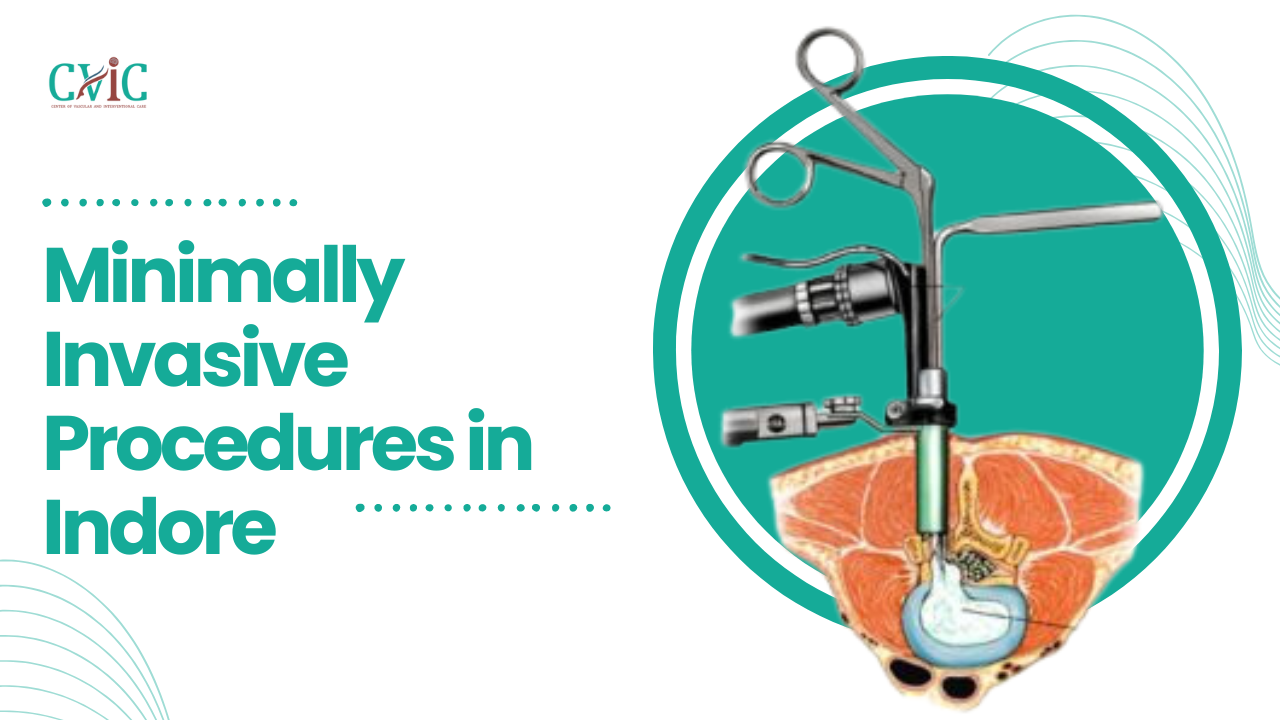
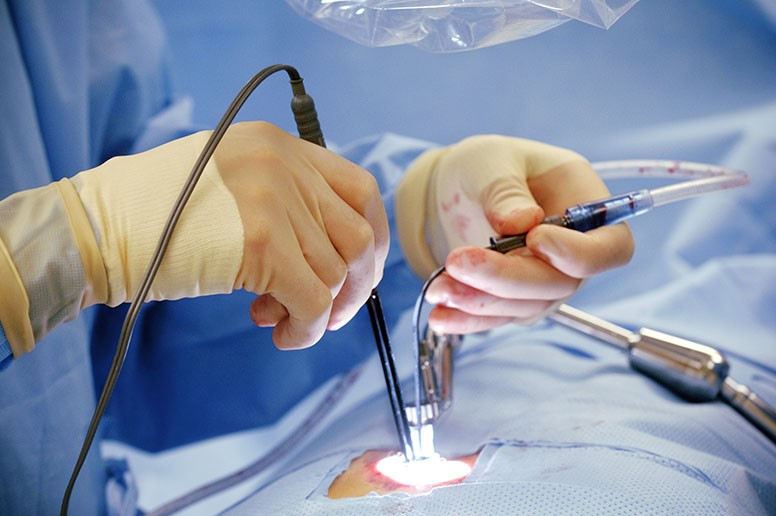
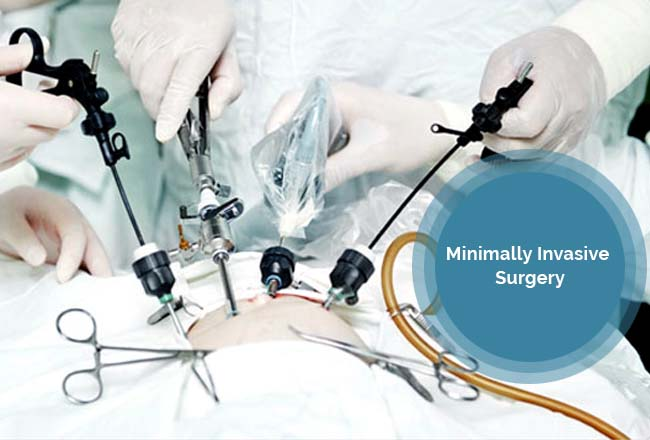
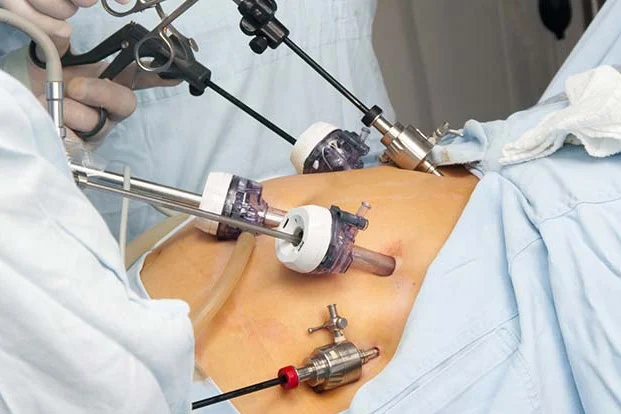
Minimally invasive procedures are advanced medical treatments performed through tiny cuts or needle punctures, instead of large surgical incisions. These procedures are usually image-guided using technologies like ultrasound, CT scan, or digital angiography, allowing doctors to precisely target the problem area.
Unlike conventional surgery, minimally invasive procedures:
- Do not require large cuts
- Are usually done under local anesthesia
- Cause minimal pain and blood loss
- Allow faster recovery and early discharge
These procedures are mainly performed by interventional radiologists, specialists trained in image-guided treatments.
Why Minimally Invasive Procedures Are Gaining Popularity in Indore
Indore has emerged as a leading medical hub in Central India. Patients from nearby cities such as Ujjain, Dewas, Pithampur, Khandwa, and even neighboring states now prefer Indore for advanced healthcare.
The increasing demand for minimally invasive procedures in Indore is driven by:
- Growing awareness among patients
- Availability of advanced imaging technology
- Expertise of trained interventional radiologists
- Better outcomes with fewer complications
- Cost-effective alternatives to surgery
Key Benefits of Minimally Invasive Procedures
Patients choosing minimally invasive treatments experience several advantages over traditional surgery:
1. No Major Surgery
Most procedures are done through a pin-hole entry, eliminating the need for stitches or scars.
2. Faster Recovery
Patients usually return to normal activities within a few days instead of weeks.
3. Reduced Pain & Risk
Minimal tissue damage means less pain, lower infection risk, and fewer complications.
4. Short Hospital Stay
Many procedures are done as day-care treatments, allowing same-day or next-day discharge.
5. Ideal for High-Risk Patients
Elderly patients or those with diabetes, heart disease, or blood pressure benefit greatly from non-surgical options.
Common Minimally Invasive Procedures Available in Indore
At CVIC Indore, a wide range of advanced minimally invasive procedures are offered for different medical conditions.
Uterine Fibroid Embolization (UFE)
Uterine fibroids are non-cancerous growths in the uterus that can cause:
- Heavy menstrual bleeding
- Pelvic pain
- Pressure symptoms
- Fertility issues
UFE is a non-surgical procedure where the blood supply to fibroids is blocked, causing them to shrink naturally—without removing the uterus.
Benefits:
- No hysterectomy
- Uterus preserved
- Faster recovery
- High success rate
Prostate Artery Embolization (PAE) for Enlarged Prostate
Benign Prostatic Hyperplasia (BPH) is common in men above 50 and causes:
- Frequent urination
- Weak urine flow
- Nighttime urination
PAE is a minimally invasive alternative to prostate surgery, where enlarged prostate tissue is reduced by cutting off excess blood supply.
Why patients prefer PAE:
- No sexual side effects
- No general anesthesia
- Short recovery
- Safe for elderly patients
Genicular Artery Embolization (GAE) for Knee Pain
Chronic knee pain due to osteoarthritis affects many patients who are either:
- Not fit for knee replacement
- Want to delay surgery
GAE reduces inflammation and pain by targeting abnormal blood vessels around the knee joint.
Ideal for:
- Elderly patients
- Moderate to severe knee pain
- Patients avoiding surgery
Thyroid Nodule & Goiter Treatment Without Surgery
Benign thyroid nodules and goiter can cause cosmetic issues, swallowing difficulty, or discomfort.
Minimally invasive thyroid treatments include:
- Thyroid nodule ablation
- Thyroid artery embolization
These treatments help reduce the size of nodules without surgery or scars.
Varicose Vein Treatment (Non-Surgical)
Varicose veins can lead to pain, swelling, skin changes, and ulcers.
Minimally invasive varicose vein treatments include:
- Image-guided embolization
- Endovascular procedures
These are safer alternatives to vein stripping surgery.
Liver, Kidney & Vascular Interventions
Minimally invasive procedures are also used for:
- Liver tumors
- Kidney tumors
- Vascular malformations
- AVMs and aneurysms
- Emergency bleeding control
Role of Interventional Radiology in Minimally Invasive Care
Interventional radiology forms the backbone of minimally invasive medicine. Using real-time imaging, interventional radiologists treat diseases from inside the body without open surgery.
This approach is:
- Precise
- Targeted
- Evidence-based
- Patient-centric
Why Choose CVIC Indore for Minimally Invasive Procedures?
CVIC Indore is dedicated to providing world-class minimally invasive treatments with a patient-first approach.
What makes CVIC Indore different?
- ✔ Specialized focus on minimally invasive & interventional procedures
- ✔ Advanced imaging & cath-lab technology
- ✔ Experienced interventional radiologists
- ✔ Ethical treatment planning
- ✔ Personalized patient counseling
- ✔ Transparent costs & follow-up care
Patients receive detailed explanations, treatment alternatives, and realistic outcome expectations before proceeding.
Who Is the Right Candidate for Minimally Invasive Procedures?
You may be an ideal candidate if:
- You want to avoid major surgery
- You are elderly or medically unfit for surgery
- Medications are not giving relief
- You want faster recovery and minimal downtime
- You prefer uterus-, organ-, or function-preserving treatments
A consultation at CVIC Indore helps determine the best treatment option based on your condition.
Recovery & Post-Procedure Care
Most minimally invasive procedures require:
- 6–24 hours of observation
- Minimal pain medication
- Short rest period
- Follow-up imaging
Patients usually resume normal activities within 2–7 days, depending on the procedure.
Cost of Minimally Invasive Procedures in Indore
The cost depends on:
- Type of procedure
- Medical complexity
- Imaging and materials used
- Hospital stay duration
While minimally invasive procedures may appear costly initially, they often reduce overall expenses by avoiding surgery, ICU stays, and long recovery periods.
Future of Minimally Invasive Procedures in Indore
With continuous advancements in imaging, devices, and techniques, minimally invasive treatments are expected to become the first-line option for many conditions.
Indore is well-positioned to lead this shift due to:
- Growing healthcare infrastructure
- Skilled specialists
- Increasing patient awareness
Book a Consultation at CVIC Indore
If you or your loved one is exploring minimally invasive procedures in Indore, expert guidance is crucial.
At CVIC Indore, patients receive:
- Honest medical advice
- Non-surgical treatment options
- Personalized care plans
- Long-term follow-up support
📞 Take the first step toward surgery-free treatment—consult CVIC Indore today.
Read More –
Percutaneous Transhepatic Biliary Drainage (PTBD) and Metallic Stenting