Hearing the words “brain tumor” can be overwhelming for patients and their families. One of the first questions many people ask is, “Can you live a long life with a brain tumor?” The answer is encouraging in many cases—yes, many people with a brain tumor can live long and fulfilling lives, especially when the tumor is diagnosed early, treated appropriately, and followed with regular medical care.
A brain tumor is not a single disease. There are many different types, ranging from slow-growing benign tumors to more aggressive malignant tumors. Factors such as the tumor’s type, size, location, grade, and the patient’s overall health all influence treatment outcomes and long-term survival.
At CVIC Indore, experienced specialists including Dr. Alok K Udiya, Dr. Shailesh Gupta, and Dr. Nishant Bhargava provide comprehensive diagnosis, advanced neuro-interventional procedures, and multidisciplinary care for patients with neurovascular and neurological conditions. Located near Gita Bhawan Indore, CVIC focuses on evidence-based treatment and personalized care.
In this comprehensive guide, we’ll discuss whether patients can live a long life with a brain tumor, available treatment options, prognosis, lifestyle changes, and when to seek expert medical care.
What Is a Brain Tumor?
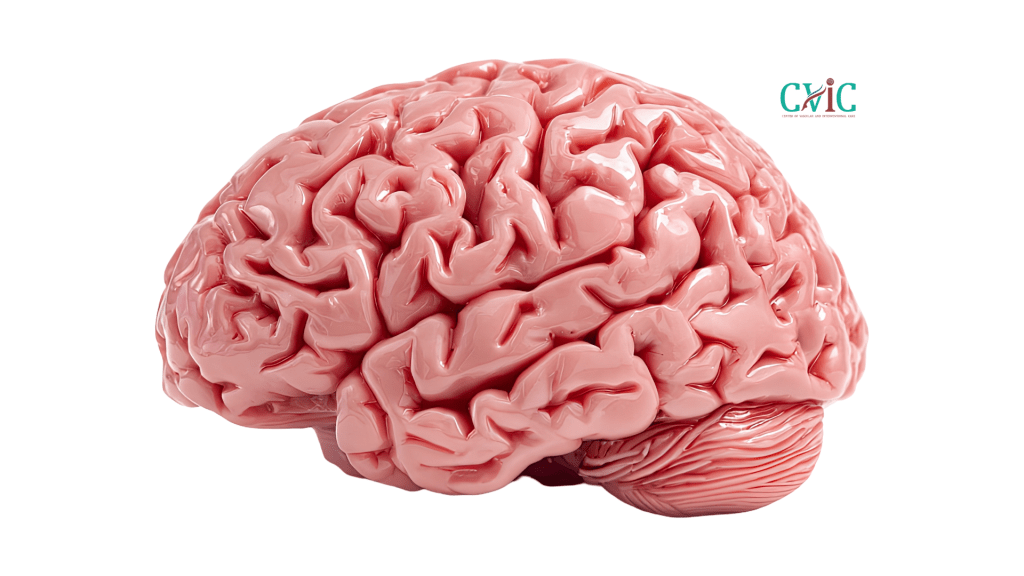
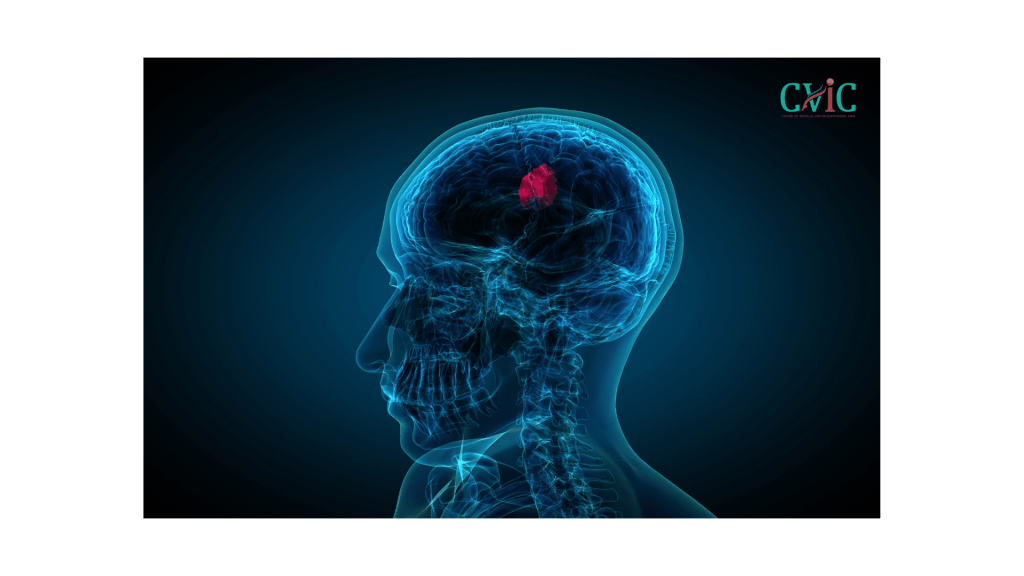
A brain tumor is an abnormal growth of cells inside or around the brain. Tumors can develop from brain tissue itself or spread from cancers elsewhere in the body (metastatic brain tumors).
Brain tumors are broadly classified into two categories:
- Benign (Non-Cancerous): Usually slow-growing and less likely to spread.
- Malignant (Cancerous): Faster-growing tumors that may invade surrounding brain tissue.
Not every brain tumor is life-threatening, and many can be successfully treated or managed for years.
Also Read: Can Brain Tumor Be Treated Without Surgery? A Complete Guide to Non-Surgical Options
Can You Live a Long Life with a Brain Tumor?
Yes, many patients live for decades after being diagnosed with a brain tumor.
The outcome depends on several factors, including:
- Type of brain tumor
- Tumor grade
- Tumor size
- Location within the brain
- Age of the patient
- General health
- Whether the tumor can be completely removed
- Response to treatment
For many benign brain tumors, patients often return to normal daily life after successful treatment. Even some malignant brain tumors can be managed effectively with surgery, radiation therapy, chemotherapy, targeted therapies, and regular follow-up.
Types of Brain Tumors
Benign Brain Tumors
Common benign tumors include:
- Meningioma
- Schwannoma
- Pituitary Adenoma
- Craniopharyngioma
These tumors often grow slowly and may not require immediate treatment if they are small and not causing symptoms.
Also Read: Headache vs Brain Tumor – How to Identify? A Complete Guide
Malignant Brain Tumors
Examples include:
- Glioblastoma
- Astrocytoma
- Oligodendroglioma
- Medulloblastoma
- Primary CNS Lymphoma
Treatment plans vary depending on the tumor type and grade.
Symptoms of a Brain Tumor
Symptoms depend on the tumor’s location and size.
Common symptoms include:
- Persistent headaches
- Morning headaches
- Seizures
- Weakness in the arms or legs
- Difficulty speaking
- Memory problems
- Vision changes
- Hearing problems
- Balance issues
- Personality changes
- Nausea and vomiting
- Difficulty walking
Anyone with persistent neurological symptoms should seek prompt medical evaluation.
Factors That Affect Life Expectancy
Several important factors influence survival and quality of life.
1. Tumor Type
Some tumors are highly treatable, while others require ongoing management.
2. Tumor Grade
Lower-grade tumors generally have a better prognosis than high-grade tumors.
3. Early Diagnosis
Detecting a brain tumor before significant neurological damage occurs often improves treatment outcomes.
4. Tumor Location
Tumors located in accessible areas may be easier to treat than those near critical brain structures.
5. Age
Younger patients often tolerate treatment better and may experience improved outcomes.
6. Overall Health
Managing other medical conditions such as diabetes, hypertension, or heart disease can contribute to better recovery.
Also Read: Early Symptoms of Brain Tumor: Signs You Should Never Ignore | CVIC Indore
How Is a Brain Tumor Diagnosed?
Doctors may recommend several tests to confirm the diagnosis and determine the most appropriate treatment.
Common investigations include:
- MRI Brain
- CT Scan
- Contrast MRI
- MR Spectroscopy
- Functional MRI (when indicated)
- PET Scan (in selected cases)
- Biopsy
- Digital Subtraction Angiography (DSA) for tumors involving blood vessels
Accurate imaging helps guide treatment decisions.
Treatment Options for Brain Tumors
Treatment is individualized based on the type and characteristics of the tumor.
1. Observation
Some small benign tumors may only require regular MRI scans and monitoring.
2. Surgery
Surgical removal is often considered when it can be performed safely and is expected to improve outcomes.
Goals may include:
- Complete removal
- Partial removal
- Reducing pressure on the brain
- Obtaining tissue for diagnosis
3. Radiation Therapy
Radiation may be recommended after surgery or as the primary treatment for certain tumors.
Common techniques include:
- External Beam Radiation
- Stereotactic Radiosurgery
- Fractionated Radiation Therapy
4. Chemotherapy
Certain malignant brain tumors respond to chemotherapy medications.
Treatment plans depend on tumor type and molecular characteristics.
5. Targeted Therapy
Some tumors have specific genetic features that may be treated with targeted medications.
6. Neuro-Interventional Procedures
In selected patients, minimally invasive neuro-interventional techniques may be used to support diagnosis or treatment planning.
At CVIC Indore, advanced imaging and neurovascular expertise help manage complex neurological conditions requiring interventional procedures.
Can a Brain Tumor Be Completely Cured?
Some benign brain tumors can be completely cured with surgery if they are fully removed.
For malignant tumors, the goal is often long-term disease control, symptom management, and maximizing quality of life.
Many patients continue working, traveling, and living active lives during and after treatment.
Life After Brain Tumor Treatment
Many patients return to their normal routines after recovery.
Recovery may include:
- Physical rehabilitation
- Occupational therapy
- Speech therapy
- Regular neurological follow-up
- MRI surveillance
- Medication management
Ongoing monitoring is an important part of long-term care.
Lifestyle Tips to Improve Long-Term Health
Healthy habits can support overall well-being during and after treatment.
Recommendations include:
- Eat a balanced diet
- Stay physically active as advised by your doctor
- Get adequate sleep
- Manage stress
- Take prescribed medications
- Attend follow-up appointments
- Avoid smoking
- Limit alcohol consumption
- Control blood pressure and diabetes
- Seek emotional support when needed
Warning Signs That Require Immediate Medical Attention
Seek urgent medical care if you experience:
- Sudden severe headache
- Loss of consciousness
- New seizures
- Sudden weakness
- Difficulty speaking
- Vision loss
- Persistent vomiting
- Confusion or altered mental status
Prompt evaluation can help identify serious complications.
Why Choose CVIC Indore?
Patients trust CVIC Indore for advanced neurological and neurovascular care because of its experienced specialists and modern diagnostic facilities.
Highlights
- Advanced neurovascular imaging
- Comprehensive neurological evaluation
- Personalized treatment planning
- Experienced multidisciplinary team
- Modern minimally invasive procedures
- Patient-centered care
- Long-term follow-up support
The team includes Dr. Alok K Udiya, Dr. Shailesh Gupta, and Dr. Nishant Bhargava, providing expert care near Gita Bhawan Indore.
Frequently Asked Questions
1. Can you live a normal life with a brain tumor?
Yes. Many patients, particularly those with benign or successfully treated tumors, return to work, family life, and regular activities.
2. Is every brain tumor cancer?
No. Many brain tumors are benign and non-cancerous.
3. Can a brain tumor be cured?
Some benign tumors can be cured with complete surgical removal. Malignant tumors are often managed with a combination of treatments aimed at controlling the disease.
4. How long can someone live with a brain tumor?
Survival varies widely depending on the type, grade, treatment response, and overall health. Some patients live for many years or decades.
5. What is the first symptom of a brain tumor?
Common early symptoms include persistent headaches, seizures, vision changes, or weakness, although symptoms vary depending on the tumor’s location.
6. Is surgery always necessary?
No. Some tumors are monitored with regular imaging, while others require surgery, radiation therapy, chemotherapy, or a combination of treatments.
7. Can brain tumors return after treatment?
Some tumors can recur, making regular follow-up scans important.
8. Can children develop brain tumors?
Yes. Brain tumors can occur at any age, though the types of tumors differ between children and adults.
9. How is a brain tumor diagnosed?
MRI is the primary imaging test. Additional tests such as CT scans, biopsy, PET scans, or DSA may be recommended based on the clinical situation.
10. Where can I consult specialists for brain tumor evaluation in Indore?
Patients can visit CVIC Indore, near Gita Bhawan Indore, where Dr. Alok K Udiya, Dr. Shailesh Gupta, and Dr. Nishant Bhargava provide expert evaluation and advanced neurovascular care.
Conclusion
A brain tumor diagnosis does not automatically mean a shortened life expectancy. Many patients live long, productive, and meaningful lives with appropriate treatment, regular follow-up, and healthy lifestyle choices. Advances in neurosurgery, radiation therapy, chemotherapy, targeted therapies, and neuro-interventional techniques have significantly improved outcomes for many types of brain tumors.
Early diagnosis remains one of the most important factors in achieving the best possible outcome. If you experience persistent neurological symptoms or have been diagnosed with a brain tumor, consulting experienced specialists can help ensure the most appropriate treatment plan.
At CVIC Indore, Dr. Alok K Udiya, Dr. Shailesh Gupta, and Dr. Nishant Bhargava provide personalized care using advanced diagnostic and treatment approaches, helping patients receive comprehensive neurological care near Gita Bhawan Indore.