The brain is the most complex and vital organ in the human body. It controls everything—from thinking and memory to movement and emotions. When something abnormal develops inside the brain, such as a tumor, it can disrupt these essential functions.
Understanding the Early symptoms of Brain Tumor is extremely important because early detection can significantly improve treatment outcomes and survival rates. Unfortunately, many people ignore initial warning signs, assuming them to be minor issues like stress, migraine, or fatigue.
At CVIC Indore, experts like Dr. Alok K Udiya, Dr. Shailesh Gupta, and Dr. Nishant Bhargava focus on early diagnosis and advanced non-surgical treatments for neurological conditions.
This detailed guide will help you understand the early warning signs, causes, and when you should consult a specialist.
What is a Brain Tumor?
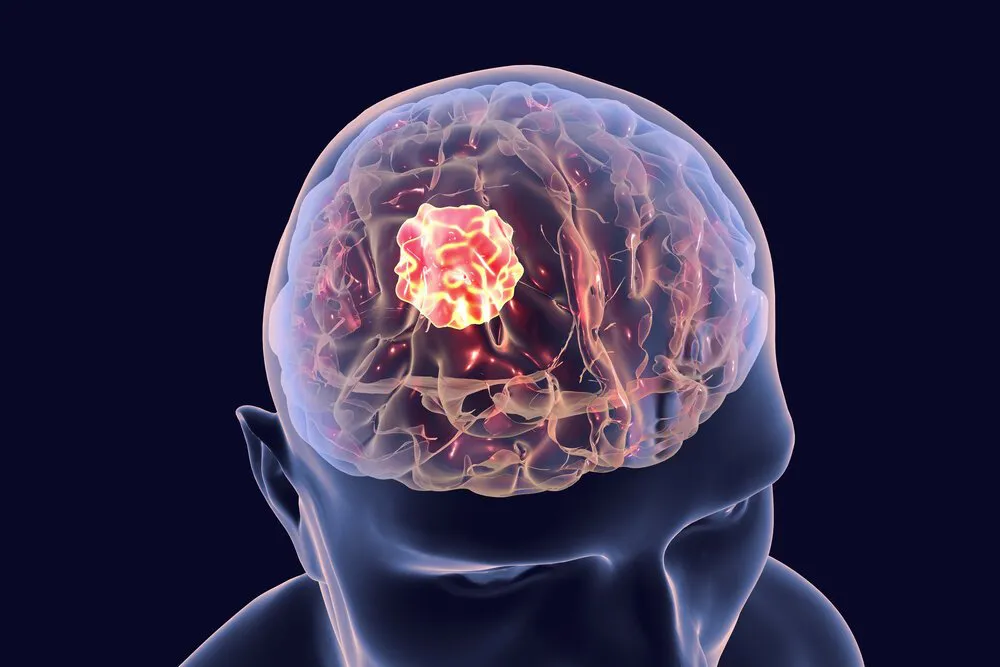
A Brain Tumor is an abnormal growth of cells within the brain or surrounding tissues. Tumors can be:
- Benign (Non-cancerous) – Slow growing, less aggressive
- Malignant (Cancerous) – Fast growing, life-threatening
Even a benign tumor can be dangerous because it increases pressure inside the skull.
Why Early Detection Matters
Detecting the Early symptoms of Brain Tumor can:
- Prevent severe brain damage
- Increase chances of successful treatment
- Reduce complications like paralysis or seizures
- Improve quality of life
Early diagnosis allows doctors at CVIC Indore to plan minimally invasive treatments, reducing the need for open surgery in many cases.
Also Read: Treating Brain Tumors with Embolization: A Targeted Approach
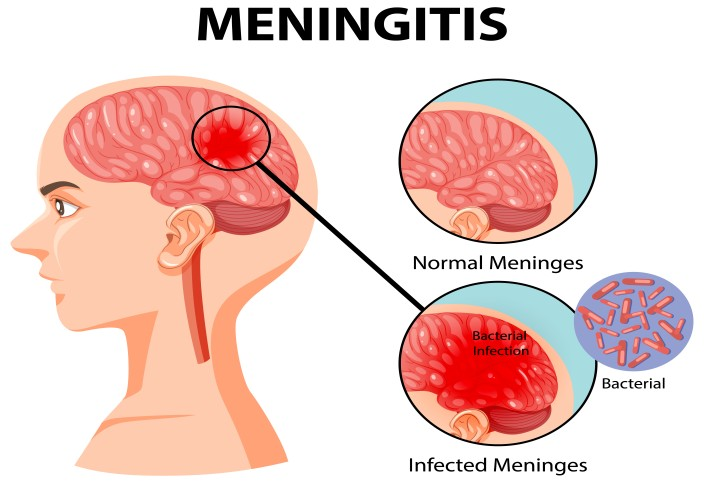
Early Symptoms of Brain Tumor
Here are the most common Early symptoms of Brain Tumor that you should never ignore:
1. Persistent Headache
- Frequent headaches, especially in the morning
- Pain that increases over time
- Not relieved by normal medicines
Many patients mistake this for migraine, but tumor-related headaches often worsen gradually.
2. Nausea and Vomiting
- Sudden unexplained vomiting
- Feeling nauseous without digestive issues
This happens due to increased pressure inside the brain.
3. Vision Problems
- Blurred or double vision
- Loss of peripheral (side) vision
- Difficulty focusing
Vision issues are one of the early signs when tumors affect optic nerves.
4. Seizures (Fits)
- First-time seizure in adults
- Sudden body jerks or unconsciousness
Seizures are one of the strongest warning signs of a brain tumor.
5. Weakness or Numbness
- One side of the body becoming weak
- Difficulty in movement or coordination
- Numbness in hands or legs
6. Speech Difficulties
- Slurred speech
- Difficulty finding words
- Trouble understanding language
7. Memory and Personality Changes
- Sudden forgetfulness
- Mood swings or irritability
- Behavioral changes
8. Balance and Coordination Issues
- Frequent falls
- Difficulty walking straight
- Loss of balance
9. Hearing Problems
- Hearing loss in one ear
- Ringing sound (tinnitus)
10. Fatigue and Drowsiness
- Constant tiredness
- Lack of energy
- Sleeping more than usual
Also Read: Best Gastro Interventions for GI Bleeding, Liver Tumors & Biliary Obstruction
Symptoms Based on Tumor Location
Different parts of the brain control different functions. So, symptoms vary depending on tumor location:
Frontal Lobe
- Personality changes
- Poor decision-making
- Weakness in body
Temporal Lobe
- Memory loss
- Speech problems
- Hearing issues
Parietal Lobe
- Sensory problems
- Difficulty recognizing objects
Occipital Lobe
- Vision problems
Cerebellum
- Balance issues
- Coordination problems
Causes and Risk Factors
While the exact cause is unknown, some factors may increase risk:
- Genetic mutations
- Radiation exposure
- Family history
- Age (though it can occur at any age)
Also Read: What is preoperative embolization of vascular tumors?
When Should You See a Doctor?
You should immediately consult a specialist if you experience:
- Continuous headaches for weeks
- Sudden seizures
- Vision or speech problems
- Weakness in any part of the body
At CVIC Indore, specialists like Dr. Alok K Udiya provide accurate diagnosis using advanced imaging techniques.
Diagnosis of Brain Tumor
Doctors may recommend:
- MRI Scan
- CT Scan
- Neurological examination
- Biopsy (if required)
Early diagnosis helps in planning non-surgical treatments, which are a specialty at CVIC Indore.
Treatment Options
Treatment depends on tumor type, size, and location.
1. Non-Surgical Treatment (Preferred in many cases)
- Minimally invasive procedures
- Targeted therapy
- Interventional radiology techniques
2. Surgery
- Removal of tumor
3. Radiation Therapy
- Used to destroy tumor cells
4. Chemotherapy
- For cancerous tumors
At CVIC Indore, the focus is on safe, advanced, and minimally invasive treatments, reducing recovery time.
Role of Interventional Radiology in Brain Tumors
Interventional radiology is changing the way brain tumors are treated.
Benefits include:
- No major surgery
- Less pain
- Faster recovery
- Lower risk
Experts like Dr. Shailesh Gupta and Dr. Nishant Bhargava use advanced techniques to treat complex neurological conditions.
Prevention Tips
While not all tumors can be prevented, you can reduce risk by:
- Avoiding unnecessary radiation exposure
- Maintaining a healthy lifestyle
- Regular health checkups
- Managing stress
Myths vs Facts
| Myth | Fact |
|---|---|
| Headache always means brain tumor | Most headaches are not tumors |
| Brain tumor is always cancer | Many are benign |
| Only old people get brain tumors | Can occur at any age |
| Surgery is the only treatment | Non-surgical options exist |
FAQs
1. What are the earliest symptoms of brain tumor?
Headache, vision problems, seizures, and nausea are common early signs.
2. Can brain tumor be cured?
Yes, especially if detected early and treated properly.
3. Is headache always a sign of brain tumor?
No, but persistent and unusual headaches should be checked.
4. How fast do brain tumors grow?
It depends on type—some grow slowly, others rapidly.
5. Where should I go for treatment?
You can consult experts at CVIC Indore.
Conclusion
The Early symptoms of Brain Tumor are often subtle but should never be ignored. Early detection can save lives and prevent serious complications.
If you or your loved ones experience symptoms like persistent headache, seizures, or vision problems, consult specialists immediately.
At CVIC Indore, experienced doctors like Dr. Alok K Udiya, Dr. Shailesh Gupta, and Dr. Nishant Bhargava are dedicated to providing advanced, patient-friendly neuro treatments.
Don’t ignore the signs. Early action can save your life.