Women’s health is a vital part of overall well-being, yet many women tend to ignore early symptoms due to lack of awareness, hesitation, or busy routines. Gynecology Problems are very common and can affect women at any stage of life—from teenage years to pregnancy age and even after menopause.
Understanding these problems early helps in timely diagnosis and better treatment outcomes. Today, with advanced medical technology and expert care available at centers like CVIC Indore, women can access safe, effective, and even non-surgical treatments. Specialists such as Dr. Alok K Udiya, Dr. Shailesh Gupta, and Dr. Nishant Bhargava are helping patients manage these conditions with modern approaches.
In this blog, we will explain the most important Gynecology Problems Every Woman Should Know, their symptoms, causes, and available treatments in simple English.
What Are Gynecology Problems?
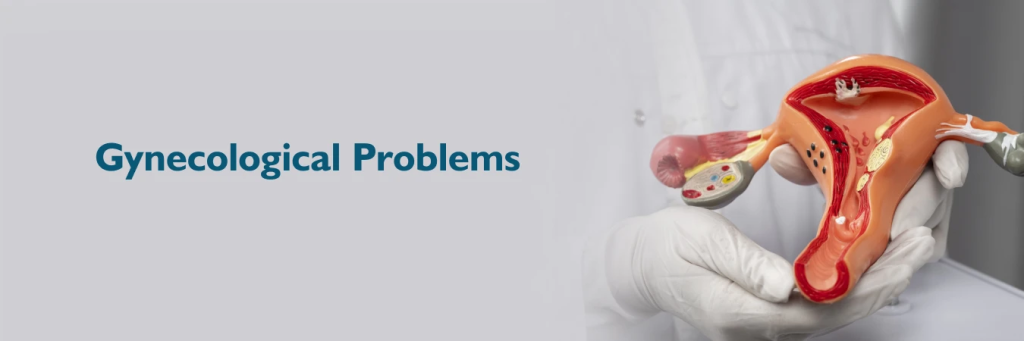
Gynecology problems refer to health issues related to the female reproductive system, including:
- Uterus (womb)
- Ovaries
- Fallopian tubes
- Cervix
- Vagina
These problems can be temporary, chronic, or serious depending on the condition. Some may not show symptoms in the early stage, making regular check-ups very important.
Also Read: Gynecology Explained: Symptoms, Treatments & When to Visit a Doctor
Why Awareness of Gynecology Problems is Important
Many women assume that issues like irregular periods or pain are normal. However, ignoring these signs can lead to:
- Long-term health complications
- Fertility issues
- Severe infections
- Hormonal imbalance
- Risk of cancer (in rare cases)
Early detection and treatment can save time, money, and health.
Common Gynecology Problems Every Woman Should Know
1. Irregular Periods
Irregular periods are one of the most common Gynecology Problems faced by women.
Symptoms:
- Missed periods
- Heavy or very light bleeding
- Cycle longer than 35 days or shorter than 21 days
Causes:
- Hormonal imbalance
- Stress
- Thyroid disorders
- PCOS
Treatment:
- Lifestyle changes
- Medications
- Hormonal therapy
Also Read: What is Gynecology? Complete Guide to Women’s Health
2. PCOS (Polycystic Ovary Syndrome)
PCOS is a growing health issue among young women.
Symptoms:
- Irregular periods
- Weight gain
- Acne
- Excess facial hair
- Difficulty getting pregnant
Causes:
- Hormonal imbalance
- Insulin resistance
Treatment:
- Healthy diet
- Exercise
- Medicines
Proper management can prevent future complications.
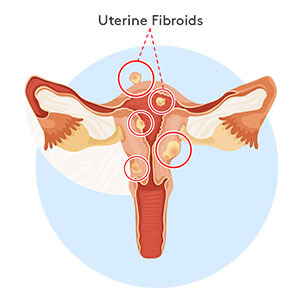
3. Uterine Fibroids
Fibroids are non-cancerous growths in the uterus.
Symptoms:
- Heavy menstrual bleeding
- Pelvic pain
- Frequent urination
- Back pain
Advanced Treatment:
At CVIC Indore, fibroids can be treated using non-surgical procedures like Uterine Fibroid Embolization (UFE).
Benefits:
- No major surgery
- Quick recovery
- Less pain
4. Endometriosis
A painful condition where tissue grows outside the uterus.
Symptoms:
- Severe period pain
- Pain during intercourse
- Heavy bleeding
- Infertility
Treatment:
- Pain management
- Hormonal therapy
- Advanced procedures
5. Vaginal Infections
Very common but often ignored.
Symptoms:
- Itching
- Burning sensation
- Unusual discharge
- Bad odor
Causes:
- Poor hygiene
- Bacterial or fungal infection
Treatment:
- Medications
- Hygiene care
6. Pelvic Inflammatory Disease (PID)
Infection of reproductive organs.
Symptoms:
- Lower abdominal pain
- Fever
- Pain during intercourse
- Irregular bleeding
Treatment:
- Antibiotics
- Early medical care
7. Infertility Issues
A condition where pregnancy does not occur after trying for a year.
Causes:
- PCOS
- Blocked fallopian tubes
- Hormonal imbalance
- Endometriosis
Treatment:
- Medication
- Lifestyle changes
- Advanced fertility treatments
8. Ovarian Cysts
Fluid-filled sacs in ovaries.
Symptoms:
- Pelvic pain
- Bloating
- Irregular periods
Treatment:
- Monitoring
- Medication
- Minimally invasive treatment
Also Read: Best Gastro Interventions for GI Bleeding, Liver Tumors & Biliary Obstruction
9. Cervical Problems
Includes infections and abnormal cell changes.
Symptoms:
- Bleeding after intercourse
- Unusual discharge
- Pelvic pain
Prevention:
- Regular Pap smear
- HPV vaccination
10. Menopause-Related Problems
Occurs usually between 45–50 years.
Symptoms:
- Hot flashes
- Mood swings
- Sleep problems
- Vaginal dryness
Treatment:
- Hormone therapy
- Lifestyle changes
Symptoms You Should Never Ignore
If you experience any of these, consult a specialist immediately:
- Severe abdominal or pelvic pain
- Heavy bleeding
- Missed periods for long time
- Unusual discharge
- Pain during intercourse
- Difficulty in pregnancy
Early diagnosis at CVIC Indore can help avoid complications.
Modern Treatment Options in Gynecology
Today, many Gynecology Problems can be treated without major surgery.
Available Treatments:
- Medications
- Hormonal therapy
- Minimally invasive procedures
- Image-guided treatments
At CVIC Indore, advanced non-surgical treatments are available under experts like:
- Dr. Alok K Udiya
- Dr. Shailesh Gupta
- Dr. Nishant Bhargava
These treatments offer:
- Faster recovery
- Less pain
- No long hospital stay
Benefits of Early Diagnosis
- Prevent serious complications
- Improve fertility chances
- Reduce treatment cost
- Improve quality of life
How to Maintain Women’s Health
- Eat a balanced diet
- Exercise regularly
- Maintain hygiene
- Manage stress
- Go for regular check-ups
Why Choose CVIC Indore?
- Experienced doctors
- Advanced technology
- Non-surgical treatments
- Patient-focused care
- High success rate
Conclusion
Gynecology Problems are very common but should never be ignored. With the right awareness, early diagnosis, and proper treatment, most conditions can be managed effectively.
If you are experiencing any symptoms, don’t delay. Consult experts at CVIC Indore like Dr. Alok K Udiya, Dr. Shailesh Gupta, and Dr. Nishant Bhargava for the best care and guidance.
FAQs
1. What are common gynecology problems?
Common problems include PCOS, fibroids, infections, irregular periods, and infertility.
2. When should I visit a gynecologist?
If you have pain, irregular periods, or any unusual symptoms.
3. Are all gynecology problems serious?
No, but ignoring them can make them serious over time.
4. Can gynecology problems be treated without surgery?
Yes, many conditions can be treated with non-surgical methods.
5. How often should women go for check-ups?
At least once a year or as advised by a doctor.