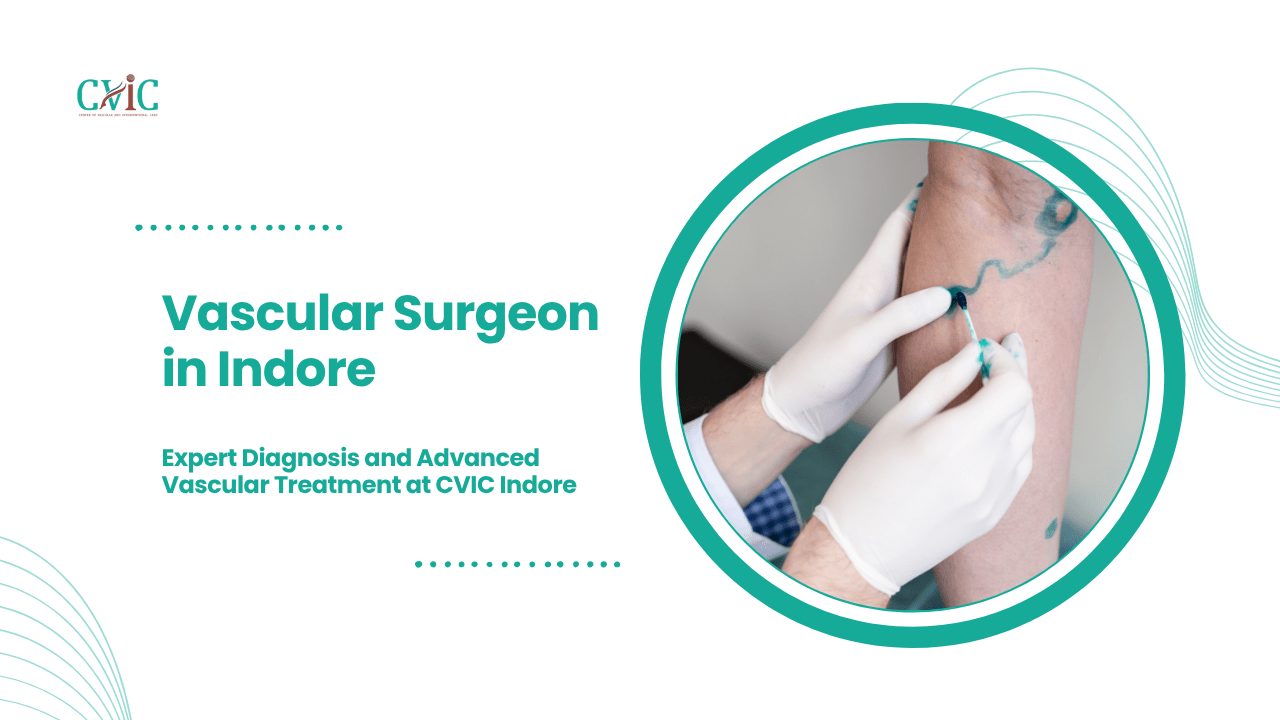
Healthy blood vessels are essential for carrying oxygen and nutrients throughout the body. When arteries or veins become blocked, narrowed, weakened, or damaged, they can lead to serious health conditions such as peripheral artery disease (PAD), varicose veins, deep vein thrombosis (DVT), aneurysms, diabetic foot complications, carotid artery disease, and chronic venous insufficiency.
If you are searching for the best Vascular Surgeon in Indore, choosing an experienced specialist and an advanced treatment center can make a significant difference in your recovery and long-term vascular health.
At CVIC Indore, patients receive comprehensive vascular diagnosis and minimally invasive treatments from experienced specialists including Dr. Alok K Udiya, Dr. Shailesh Gupta, and Dr. Nishant Bhargava. Located near Gita Bhawan Indore, CVIC is known for providing advanced interventional vascular procedures using modern imaging technology and evidence-based treatment protocols.
This guide explains vascular diseases, available treatment options, when to consult a vascular specialist, and why CVIC Indore is a trusted destination for vascular care.
What Does a Vascular Surgeon Treat?
A vascular surgeon specializes in diagnosing and treating diseases affecting arteries, veins, and the lymphatic system throughout the body, excluding the heart and brain (which are typically managed by cardiac and neurosurgical specialists). Many vascular conditions can now be treated with minimally invasive endovascular techniques, depending on the individual case.
Common vascular conditions include:
- Peripheral Artery Disease (PAD)
- Varicose Veins
- Deep Vein Thrombosis (DVT)
- Diabetic Foot with Poor Circulation
- Carotid Artery Disease
- Abdominal Aortic Aneurysm
- Peripheral Aneurysms
- Chronic Venous Insufficiency
- Critical Limb Ischemia
- Dialysis Access Problems
- Blood Vessel Blockages
- Leg Ulcers due to Poor Circulation
Also Read: Understanding Endovascular Surgery: The Future of Vascular Treatment
Signs You Should Visit a Vascular Surgeon in Indore
Many vascular diseases develop gradually and often remain unnoticed in the early stages.
You should seek medical evaluation if you experience:
- Pain in the legs while walking
- Cold feet or toes
- Numbness in the legs
- Swelling in one or both legs
- Visible varicose veins
- Skin discoloration on the legs
- Non-healing foot wounds
- Diabetic foot ulcers
- Severe leg cramps
- Sudden swelling with pain
- Persistent leg heaviness
- Weak pulse in the feet
Ignoring these symptoms may increase the risk of complications.
Also Read: Stroke Treatment in Indore: Endovascular Thrombectomy & Expert Care
Common Vascular Diseases
1. Peripheral Artery Disease (PAD)
PAD occurs when plaque narrows the arteries supplying blood to the legs.
Symptoms
- Leg pain during walking
- Slow wound healing
- Cold feet
- Foot ulcers
- Reduced walking distance
Early diagnosis helps prevent severe complications.
2. Varicose Veins
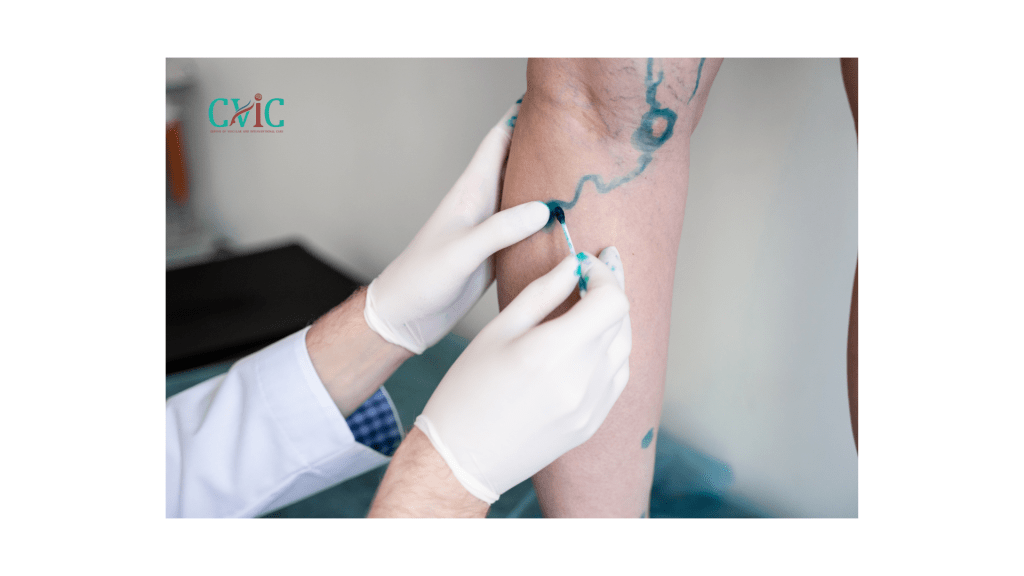
Varicose veins develop when vein valves weaken, causing blood to pool.
Symptoms
- Twisted enlarged veins
- Leg heaviness
- Swelling
- Pain
- Itching
- Skin pigmentation
Modern minimally invasive procedures have largely replaced traditional vein surgery for many patients.
Also Read:
Best Vascular Surgeons in Indore | Complete Treatment Guide
3. Deep Vein Thrombosis (DVT)
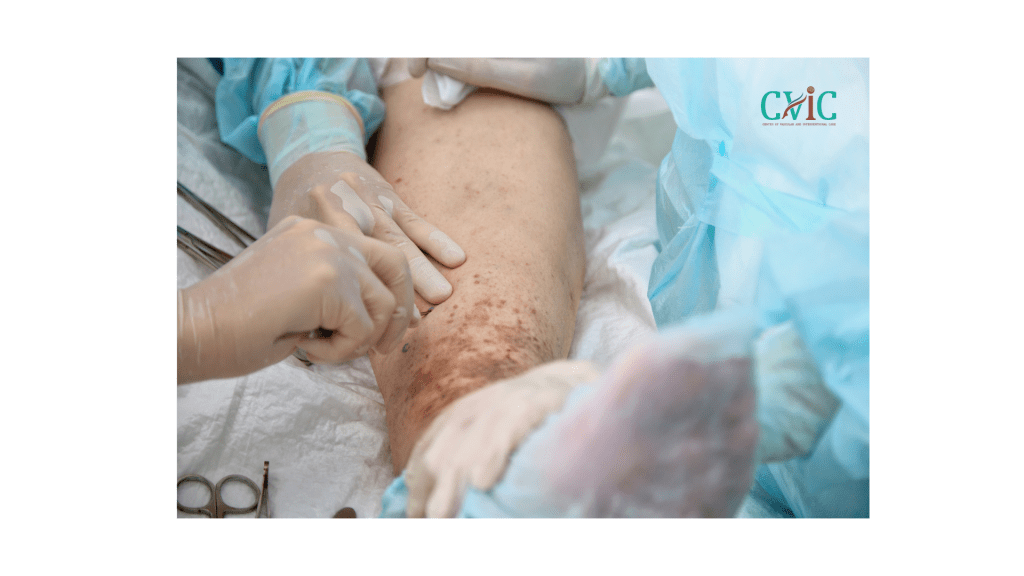
DVT involves a blood clot forming in a deep vein, usually in the legs.
Warning Signs
- Sudden swelling
- Leg pain
- Warm skin
- Redness
Untreated DVT can lead to pulmonary embolism, making timely diagnosis essential.
4. Diabetic Foot Disease
Poor blood circulation in people with diabetes can delay wound healing and increase the risk of infection.
Early vascular assessment may help reduce the risk of limb-threatening complications.
5. Carotid Artery Disease
The carotid arteries supply blood to the brain. Narrowing of these arteries increases the risk of stroke.
Many patients have no symptoms until a stroke or transient ischemic attack (TIA) occurs.
6. Aneurysms
An aneurysm is a weakened area in the wall of an artery that enlarges over time.
Common aneurysm locations include:
- Abdominal Aorta
- Thoracic Aorta
- Peripheral Arteries
Large aneurysms may require treatment to reduce the risk of rupture.
Advanced Diagnostic Services at CVIC Indore
Accurate diagnosis is the foundation of effective vascular treatment.
At CVIC Indore, evaluation may include:
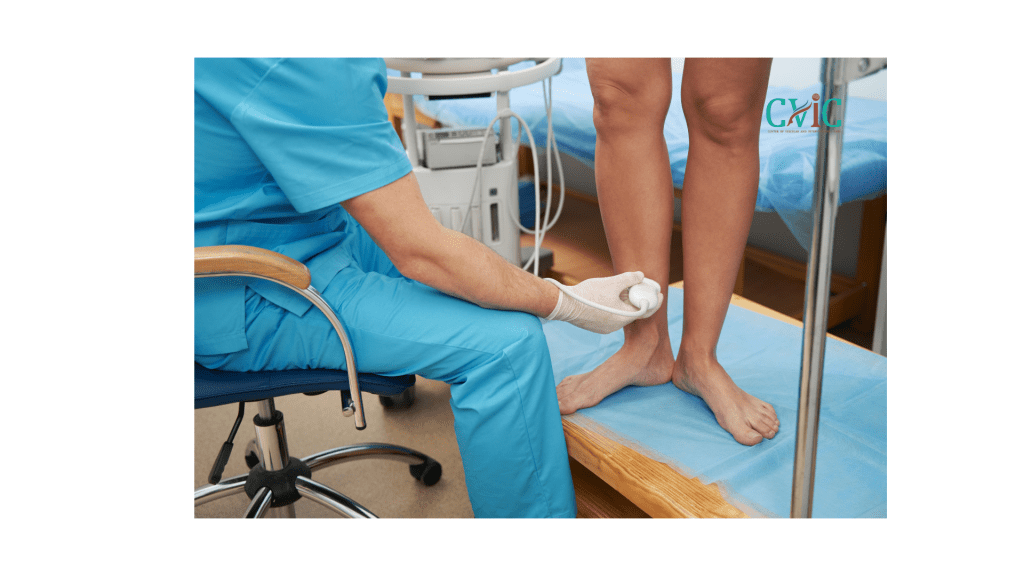
- Doppler Ultrasound
- CT Angiography (CTA)
- MR Angiography (MRA)
- Digital Subtraction Angiography (DSA)
- Vascular Ultrasound
- Blood Flow Assessment
- Ankle-Brachial Index (ABI)
These investigations help identify the exact location and severity of vascular disease.
Modern Vascular Treatments Available
Treatment depends on the condition, severity, symptoms, and overall health.
Angioplasty
A balloon catheter is used to widen narrowed arteries and improve blood flow.
Benefits include:
- No major incision
- Faster recovery
- Reduced hospital stay
- Improved circulation
Stent Placement
If necessary, a stent may be placed to help keep the artery open after angioplasty.
Thrombectomy
Blood clots can sometimes be removed using catheter-based techniques to restore blood flow.
Catheter-Directed Thrombolysis
In selected patients, clot-dissolving medication is delivered directly to the clot through a catheter.
Endovascular Aneurysm Repair (EVAR)
Certain abdominal aortic aneurysms can be treated using minimally invasive stent grafts instead of open surgery.
Advantages include:
- Smaller incision
- Less blood loss
- Shorter hospital stay
- Faster recovery
Varicose Vein Treatment
Modern treatment options may include:
- Laser Ablation
- Radiofrequency Ablation
- Foam Sclerotherapy
- Glue Closure
- Ambulatory Phlebectomy
The choice of procedure depends on the patient’s vein anatomy and clinical evaluation.
Why Minimally Invasive Vascular Procedures Are Preferred
Many vascular conditions can now be managed without large surgical incisions.
Benefits include:
- Smaller puncture site
- Less postoperative pain
- Lower infection risk
- Faster recovery
- Earlier return to daily activities
- Reduced blood loss
- Shorter hospitalization
However, not every patient is a candidate for minimally invasive treatment, and management should be individualized.
Who Is at Risk for Vascular Disease?
Risk factors include:
- Diabetes
- Smoking
- High blood pressure
- High cholesterol
- Obesity
- Family history
- Increasing age
- Kidney disease
- Lack of physical activity
Managing these factors can help reduce the likelihood of developing vascular disease.
Lifestyle Tips for Healthy Blood Vessels
To maintain vascular health:
- Quit smoking
- Control diabetes
- Maintain healthy blood pressure
- Eat a balanced diet
- Exercise regularly
- Maintain a healthy weight
- Stay hydrated
- Wear compression stockings if advised
- Attend regular health check-ups
Why Choose CVIC Indore?
Patients from Indore and surrounding regions choose CVIC Indore for advanced vascular care because of its comprehensive approach.
Highlights
- Advanced vascular imaging
- Experienced interventional specialists
- Personalized treatment plans
- Modern catheter-based procedures
- Evidence-based care
- Multidisciplinary approach
- Comprehensive follow-up
The center is led by experienced specialists including Dr. Alok K Udiya, Dr. Shailesh Gupta, and Dr. Nishant Bhargava, providing advanced vascular treatment near Gita Bhawan Indore.
When Should You Seek Immediate Medical Attention?
Visit the emergency department immediately if you experience:
- Sudden severe leg pain
- Loss of pulse in the foot
- Cold, pale limb
- Sudden leg swelling with severe pain
- Symptoms of stroke
- Chest pain with shortness of breath
- Bleeding from a known aneurysm (medical emergency)
Prompt treatment can be critical in preventing permanent damage.
Frequently Asked Questions
1. Who is the best vascular surgeon in Indore?
Patients seeking advanced vascular care can consult the experienced specialists at CVIC Indore, including Dr. Alok K Udiya, Dr. Shailesh Gupta, and Dr. Nishant Bhargava, for evaluation and treatment.
2. What diseases does a vascular surgeon treat?
A vascular surgeon manages conditions affecting arteries and veins, such as PAD, varicose veins, DVT, aneurysms, carotid artery disease, diabetic foot circulation problems, and chronic venous insufficiency.
3. Is angioplasty considered vascular surgery?
Angioplasty is a minimally invasive endovascular procedure used to restore blood flow in narrowed arteries.
4. Can varicose veins be treated without major surgery?
Yes. Many patients are candidates for minimally invasive options such as laser ablation, radiofrequency ablation, foam sclerotherapy, or glue closure.
5. Is leg pain always caused by poor circulation?
No. Leg pain can result from vascular, neurological, muscular, or orthopedic conditions. Proper diagnosis is important.
6. How is peripheral artery disease diagnosed?
PAD may be diagnosed using physical examination, Doppler ultrasound, ABI testing, CT angiography, MR angiography, or Digital Subtraction Angiography (DSA).
7. Can diabetic foot ulcers heal with vascular treatment?
If poor blood flow is contributing to delayed healing, restoring circulation may improve the chances of wound healing. Management should involve a multidisciplinary team.
8. What is the recovery time after angioplasty?
Many patients recover within a few days and resume routine activities relatively quickly, depending on the complexity of the procedure and their overall health.
9. Is vascular disease preventable?
Many risk factors can be managed through healthy lifestyle choices, regular medical check-ups, and treatment of diabetes, hypertension, and high cholesterol.
10. Where can I find advanced vascular treatment in Indore?
Patients can consult CVIC Indore, located near Gita Bhawan Indore, where Dr. Alok K Udiya, Dr. Shailesh Gupta, and Dr. Nishant Bhargava provide advanced diagnosis and treatment for a wide range of vascular conditions.
Conclusion
If you are looking for an experienced Vascular Surgeon in Indore, early diagnosis and expert treatment are essential for preventing serious complications. From peripheral artery disease and varicose veins to aneurysms and diabetic foot circulation problems, timely vascular care can improve quality of life and, in many cases, help preserve limb function.
At CVIC Indore, patients receive comprehensive evaluation, advanced imaging, and personalized treatment plans from Dr. Alok K Udiya, Dr. Shailesh Gupta, and Dr. Nishant Bhargava. Conveniently located near Gita Bhawan Indore, the center is equipped with modern technology and a patient-focused approach to vascular care.
Whether you need a diagnostic consultation, minimally invasive treatment, or long-term vascular management, choosing the right specialist is the first step toward better vascular health.