When we hear the word “Brain Aneurysm,” it often sounds scary and unfamiliar. Most people do not know what it really means, how it forms, or how dangerous it can be. The truth is, a brain aneurysm is a serious medical condition that can quietly grow inside the brain for years without causing any symptoms. But when it bursts, it can become life-threatening within minutes.
In this detailed guide, we will explain everything about brain aneurysms in simple English. You will learn what a brain aneurysm is, why it happens, what symptoms to look for, how doctors diagnose it, and the most modern treatment options available today. We will also share how the expert team at CVIC Indore, including Dr. Alok K Udiya, Dr. Shailesh Gupta, and Dr. Nishant Bhargava, helps patients fight this silent but dangerous condition with advanced care.
What is a Brain Aneurysm?
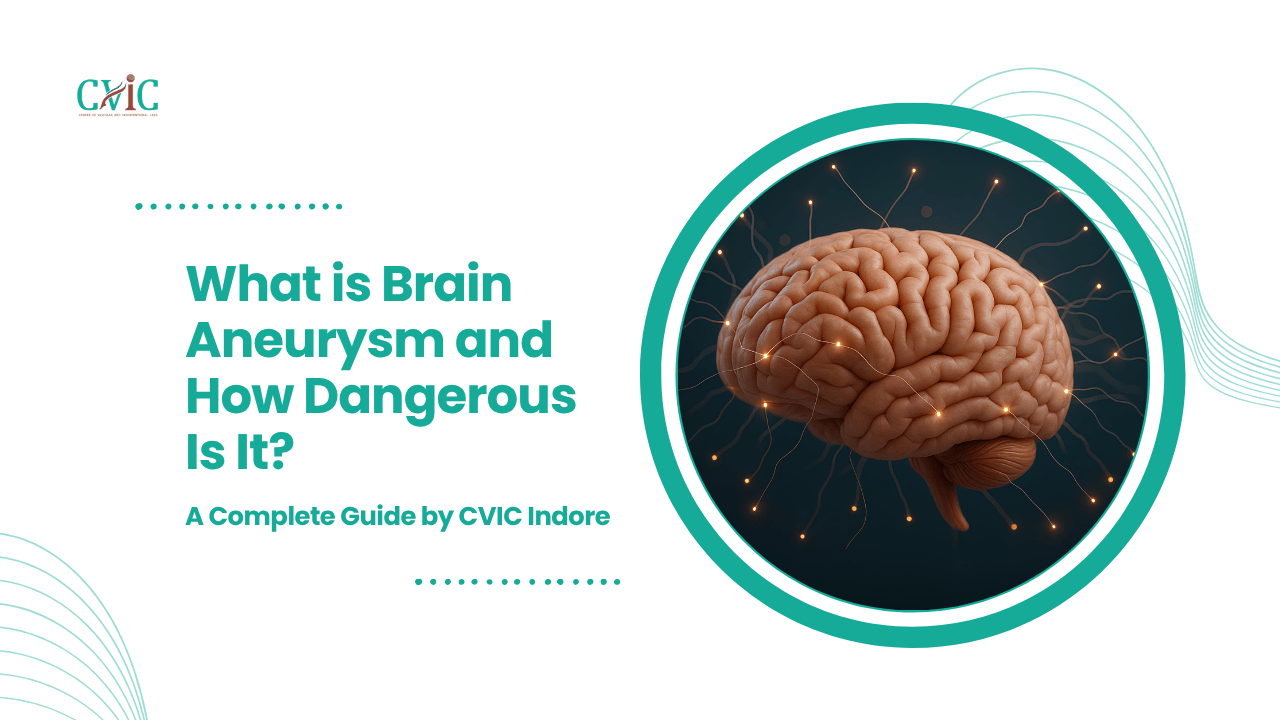
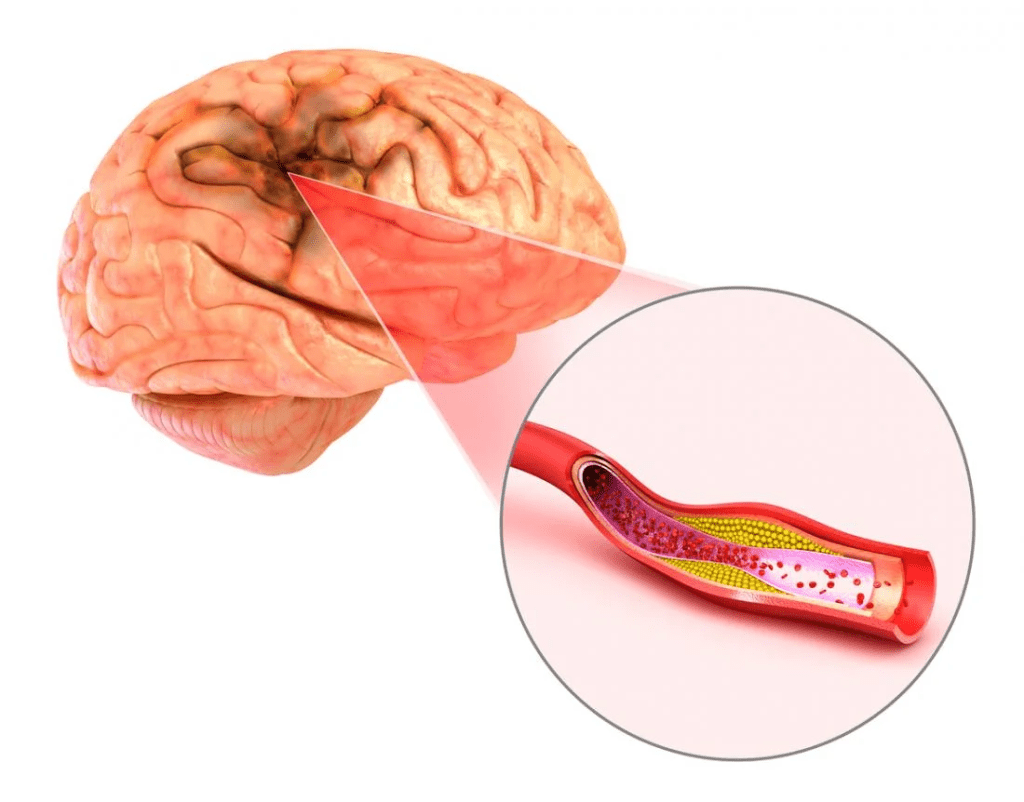
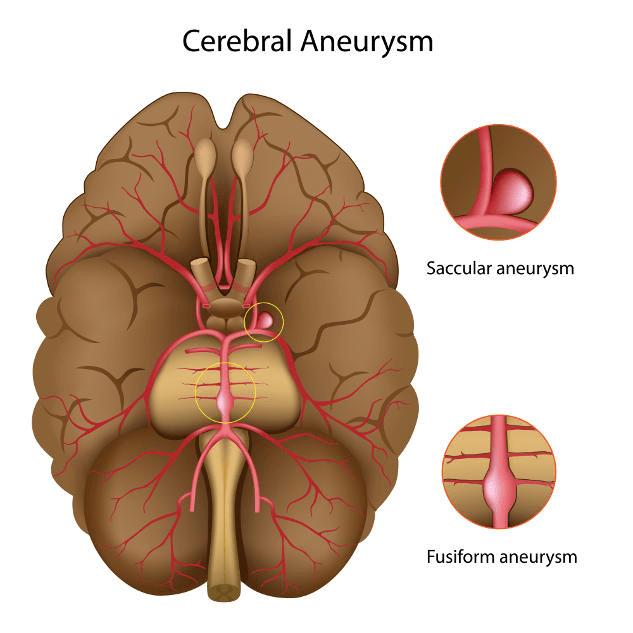
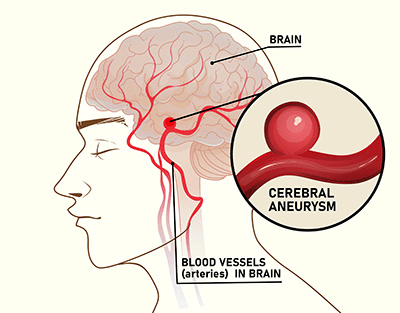
A Brain Aneurysm, also called a cerebral aneurysm, is a weak or thin spot on the wall of an artery in the brain. Imagine a balloon that bulges out from a weak part of a tube. That is exactly what happens inside a brain artery when it develops an aneurysm. Over time, the pressure of blood flowing through the artery can cause this weak area to swell out like a small balloon or bubble.
Most brain aneurysms are small and never cause any problem. People can live their entire lives without ever knowing they have one. But in some cases, the aneurysm grows larger, presses on nearby nerves, or worse, ruptures and causes bleeding inside the brain. When this bleeding happens, it is called a subarachnoid hemorrhage, which is a medical emergency.
Brain aneurysms can form in any artery of the brain, but they most often appear in the arteries at the base of the brain, in an area called the Circle of Willis. This is where blood vessels come together and supply blood to different parts of the brain.
Also Read: 7 Essential Steps to Help Prevent a Brain Aneurysm
How Common is Brain Aneurysm?
Brain aneurysms are more common than most people think. Studies show that around 1 in every 50 people may have a brain aneurysm without knowing it. However, only a small number of these aneurysms actually rupture. The risk of rupture depends on the size, location, and shape of the aneurysm, along with the overall health of the person.
Brain aneurysms are more common in adults than in children. Women are also more likely to develop them than men, especially after the age of 40. People with a family history of aneurysms or certain medical conditions also have a higher risk.
According to Dr. Alok K Udiya at CVIC Indore, early detection is the key to saving lives when it comes to brain aneurysms. With modern imaging tools, doctors can now find aneurysms before they rupture and treat them safely.
Also Read: Top Brain Aneurysm Doctors in Indore: Expert Care for Safe and Effective Treatment
Types of Brain Aneurysms
There are several types of brain aneurysms, and each has its own features. Understanding the type helps doctors decide the right treatment plan.
The first and most common type is the Saccular Aneurysm, also known as a berry aneurysm. It looks like a small berry hanging from a stem and is usually found at the branching points of arteries. About 90 percent of all brain aneurysms are saccular.
The second type is the Fusiform Aneurysm. Instead of looking like a balloon, this one bulges out in all directions, making the artery wider in a tube-like shape. This type is less common and is often related to atherosclerosis or hardened arteries.
The third type is the Mycotic Aneurysm. This is a rare form caused by infection. Bacteria or fungi can damage the artery wall and create a weak area that bulges out. This type often needs both antibiotics and surgical care.
Brain aneurysms can also be classified by size. Small aneurysms are less than 11 millimeters wide, large aneurysms are between 11 and 25 millimeters, and giant aneurysms are more than 25 millimeters. The bigger the aneurysm, the higher the chance of rupture.
Also Read: Best Treatment for an Aneurysm: Insights from Expert Brain Aneurysm Doctors in Indore
What Causes a Brain Aneurysm?
The exact cause of a brain aneurysm is not always clear. However, doctors believe that certain factors weaken the walls of the brain arteries over time. Some of these factors are present from birth, while others develop because of lifestyle, age, or health conditions.
High blood pressure is one of the leading causes. When blood pushes against the artery walls with too much force, it can slowly damage them. Smoking is another major risk factor because the chemicals in tobacco harm blood vessels and increase blood pressure at the same time.
Family history also plays an important role. If your parents, brothers, or sisters had a brain aneurysm, your chances of having one are higher. Certain inherited disorders like polycystic kidney disease, Ehlers-Danlos syndrome, and Marfan syndrome can also weaken artery walls.
Other causes include head injuries, drug abuse (especially cocaine), heavy alcohol use, infections that spread to the brain, and atherosclerosis, which is the buildup of fatty deposits in arteries. Aging is another factor because as we grow older, our blood vessels naturally lose their strength.
Dr. Shailesh Gupta at CVIC Indore explains that controlling blood pressure, quitting smoking, and getting regular health check-ups are some of the most powerful steps a person can take to lower their risk of brain aneurysm.
How Dangerous is a Brain Aneurysm?
A brain aneurysm is one of the most dangerous medical conditions when it ruptures. An unruptured aneurysm may stay quiet for years, but a ruptured one can cause death within minutes if not treated immediately.
When a brain aneurysm bursts, blood spills out into the area around the brain. This causes sudden pressure inside the skull, damages brain cells, and reduces blood flow to vital areas. The result can be a stroke, coma, or permanent brain damage.
Statistics show that about 40 percent of people who have a ruptured brain aneurysm do not survive. Among those who do survive, about 66 percent suffer some form of permanent disability, such as memory loss, weakness, vision problems, or speech difficulties.
The danger of a brain aneurysm depends on several things. Large aneurysms have a higher chance of rupture than small ones. Aneurysms that grow over time are also more dangerous. Smoking, untreated high blood pressure, and emotional stress can further increase the risk.
This is why CVIC Indore stresses the importance of awareness and early diagnosis. Dr. Nishant Bhargava often says that knowing the warning signs and acting fast can be the difference between life and death.
Symptoms of a Brain Aneurysm
Many brain aneurysms do not show any symptoms until they grow large or rupture. However, when symptoms do appear, they can be sudden and severe. Recognizing them quickly is very important.
For unruptured aneurysms, symptoms may include pain above or behind one eye, a dilated pupil, double vision or blurred vision, drooping of one eyelid, numbness on one side of the face, or weakness on one side of the body. These happen because the swelling artery presses on nearby nerves.
For ruptured aneurysms, the symptoms are far more dramatic. The most common symptom is a sudden, extremely severe headache. Patients often describe it as the worst headache of their life, like being hit on the head with a hammer. Other symptoms include nausea and vomiting, stiff neck, blurred or double vision, sensitivity to light, sudden confusion, seizures, drooping eyelids, loss of consciousness, and even cardiac arrest.
If you or someone around you has these symptoms, it is critical to call emergency services or rush to a specialized hospital like CVIC Indore right away. Every minute counts.
Warning Signs Before Rupture
Sometimes, the body gives small warning signs before the aneurysm fully ruptures. These are called sentinel bleeds or warning leaks. They happen when a tiny amount of blood leaks from the aneurysm before the major rupture.
Common warning signs include sudden severe headaches that last for several days, neck pain, brief loss of vision, or temporary weakness in any body part. These symptoms may go away on their own, but they should never be ignored. If detected early, doctors can often prevent a major rupture and save the patient’s life.
Dr. Alok K Udiya advises that any unusual or sudden severe headache should be checked by a neurology specialist, especially if it feels different from normal headaches.
Risk Factors for Brain Aneurysm
Some people are more likely to develop brain aneurysms than others. Knowing your risk factors can help you take preventive steps and seek timely medical care.
Age is one factor. Brain aneurysms are most often diagnosed in people between 30 and 60 years old. Gender is another factor, with women being more prone to aneurysms, especially after menopause due to changes in hormone levels.
Family history is one of the strongest risk factors. If close relatives have had a brain aneurysm, you should consider getting screened. Smoking, high blood pressure, and excessive alcohol use are lifestyle factors that increase the risk.
Other risk factors include head injuries, certain infections, drug abuse (especially cocaine and amphetamines), and inherited conditions such as polycystic kidney disease, connective tissue disorders, and arteriovenous malformation.
People with these risk factors should consult experts at CVIC Indore for proper screening and prevention strategies.
How is a Brain Aneurysm Diagnosed?
Diagnosing a brain aneurysm requires advanced imaging tests. These tests help doctors see the size, location, and shape of the aneurysm so they can decide the best treatment plan.
The most common test is a CT scan or computed tomography. This is usually the first test done in an emergency to check for bleeding inside the brain. If bleeding is found, a CT angiography may be done to look at the blood vessels in detail.
Another important test is the MRI or magnetic resonance imaging. This gives detailed images of the brain and blood vessels without using radiation. MRA, or magnetic resonance angiography, is a special type of MRI that focuses on the arteries.
The most accurate test is a cerebral angiogram or DSA, which stands for digital subtraction angiography. In this test, a thin tube is passed through the artery in the leg up to the brain. A special dye is injected, and X-rays are taken to see the blood vessels clearly. This test is the gold standard for diagnosing aneurysms.
CVIC Indore is equipped with the latest imaging technology, ensuring fast and accurate diagnosis. Dr. Shailesh Gupta and his team perform detailed evaluations using these advanced tools so that no aneurysm goes undetected.
Treatment Options for Brain Aneurysm
The treatment of a brain aneurysm depends on its size, location, shape, and whether it has ruptured. The two main goals of treatment are to stop bleeding if the aneurysm has ruptured and to prevent rupture in cases where the aneurysm has not yet burst.
There are mainly two modern treatment options for brain aneurysm. The first is surgical clipping. In this procedure, the surgeon opens the skull, finds the aneurysm, and places a small metal clip at its base to stop blood flow into the bulge. This prevents it from rupturing or re-bleeding. Surgical clipping has been used for many decades and is highly effective for certain types of aneurysms.
The second option, which is now more common and less invasive, is endovascular coiling. In this method, doctors do not need to open the skull. Instead, they pass a thin tube through an artery in the leg up to the brain. Through this tube, tiny soft platinum coils are placed inside the aneurysm. These coils block blood from entering the bulge, allowing it to clot and seal off naturally.
Newer techniques like flow diverters and stent-assisted coiling are also used today. Flow diverters are small mesh tubes placed inside the artery to redirect blood flow away from the aneurysm. Over time, the aneurysm shrinks and disappears.
At CVIC Indore, Dr. Alok K Udiya, Dr. Shailesh Gupta, and Dr. Nishant Bhargava are highly experienced in performing all these advanced procedures. They use the latest technology and customized treatment plans to give each patient the best possible outcome.
Recovery After Brain Aneurysm Treatment
Recovery after brain aneurysm treatment depends on the type of treatment and whether the aneurysm had ruptured before the procedure. For unruptured aneurysms treated with coiling, most patients return home within a few days and recover quickly.
For surgical clipping, recovery may take a few weeks. Patients usually stay in the hospital for several days and may need physical therapy to regain strength.
For ruptured aneurysms, recovery is longer and more complex. Patients often need intensive care for several days or weeks, followed by rehabilitation. Some may have lasting effects such as weakness, memory issues, or speech problems. Rehabilitation includes physical therapy, occupational therapy, and speech therapy.
The team at CVIC Indore provides complete care, from emergency treatment to long-term rehabilitation, ensuring patients regain their strength and quality of life as much as possible.
Can a Brain Aneurysm Be Prevented?
While not all brain aneurysms can be prevented, especially those caused by genetic factors, you can take many steps to lower your risk and protect your brain health.
Controlling your blood pressure is one of the most important steps. Eat a balanced diet with plenty of fruits, vegetables, whole grains, and lean proteins. Reduce salt, sugar, and unhealthy fats. Exercise regularly to keep your heart and blood vessels strong.
Quitting smoking is another major step. Smoking damages blood vessels and dramatically increases the risk of aneurysm rupture. Limit alcohol intake and avoid recreational drugs.
Manage stress through relaxation techniques like yoga, meditation, or deep breathing. Get regular health check-ups, especially if you have a family history of aneurysms or other risk factors.
If you have a strong family history, talk to specialists at CVIC Indore about screening tests. Dr. Nishant Bhargava recommends regular monitoring for high-risk individuals to catch problems early.
Living with a Brain Aneurysm
Living with an unruptured brain aneurysm can be stressful, but it is possible to live a full and healthy life with the right care. Doctors may decide to monitor a small aneurysm with regular imaging if it is unlikely to rupture. This is called watchful waiting.
If you have been diagnosed with a brain aneurysm, follow your doctor’s advice carefully. Take all prescribed medicines, especially blood pressure medications. Avoid heavy lifting, strenuous exercise, and activities that suddenly raise your blood pressure. Avoid stimulants like caffeine in excess and stay away from cocaine or other drugs.
Manage your emotional health as well. Many patients feel anxious after diagnosis. Joining support groups or talking to a counselor can help you cope. Most importantly, stay in regular contact with your medical team for follow-ups.
CVIC Indore offers personalized care plans for patients with brain aneurysms. The team helps patients and their families understand the condition, manage daily life, and make informed decisions about treatment.
Why Choose CVIC Indore for Brain Aneurysm Treatment?
CVIC Indore, also known as the Center for Vascular and Interventional Cardiology, is one of the leading centers in Central India for the treatment of brain aneurysms and other neurovascular conditions. The center combines world-class technology with compassionate care to deliver outstanding results.
The team at CVIC Indore is led by Dr. Alok K Udiya, a highly respected expert in interventional cardiology and neurovascular procedures. He has years of experience in handling complex cases, including ruptured and giant aneurysms.
Dr. Shailesh Gupta is another leading specialist at CVIC Indore. He is known for his skill in advanced imaging diagnosis and minimally invasive treatments. His patient-first approach ensures that every individual receives a treatment plan suited to their unique condition.
Dr. Nishant Bhargava is also part of the expert team at CVIC Indore. He brings deep knowledge of modern endovascular techniques such as coiling, flow diverters, and stent placement. Together, this team has helped countless patients recover from life-threatening aneurysms.
CVIC Indore is equipped with state-of-the-art imaging tools, modern operating theaters, and round-the-clock emergency services. Whether it is a routine screening or an emergency rupture, patients get the best care under one roof.
Brain Aneurysm Myths and Facts
There are many myths about brain aneurysms that can cause confusion. Let us clear some of them.
One common myth is that brain aneurysms always cause headaches. The truth is that most unruptured aneurysms cause no symptoms at all. Headaches usually appear only when the aneurysm is large or has ruptured.
Another myth is that brain aneurysms only happen in older people. While age does increase the risk, aneurysms can occur in younger adults and even in children, especially those with genetic conditions.
Some people believe that if you survive a brain aneurysm rupture, you will never recover fully. While recovery can be difficult, many patients do return to a normal or near-normal life with proper treatment and rehabilitation.
Another myth is that all brain aneurysms must be operated on immediately. The truth is that small, unruptured aneurysms may simply need monitoring without any surgery. Treatment decisions depend on many factors and should be made with expert advice.
Dr. Alok K Udiya often reminds patients that knowledge is power. Understanding the condition helps people make informed choices and reduces unnecessary fear.
When to See a Doctor
You should see a doctor right away if you experience a sudden, severe headache that feels different from any other headache you have had. Other warning signs include sudden vision problems, weakness on one side of the body, slurred speech, drooping eyelids, neck stiffness, or loss of consciousness.
Even mild but persistent symptoms like ongoing headaches, dizziness, or eye pain should be checked, especially if you have a family history of aneurysms or other risk factors.
Do not wait or ignore these signs. CVIC Indore offers fast and accurate evaluation, ensuring that any brain issue is caught early and treated effectively.
The Future of Brain Aneurysm Treatment
Medical science is making rapid progress in the treatment of brain aneurysms. New devices like advanced flow diverters, intrasaccular devices like the Woven EndoBridge or WEB device, and bioactive coils are improving outcomes for patients.
Artificial intelligence is also helping doctors detect aneurysms earlier through faster and more accurate analysis of brain scans. Genetic research is uncovering why some families are more prone to aneurysms, opening doors to personalized prevention.
CVIC Indore stays at the forefront of these innovations. Dr. Alok K Udiya, Dr. Shailesh Gupta, and Dr. Nishant Bhargava regularly update their techniques and equipment to bring the latest advances to their patients in Indore and Central India.
Frequently Asked Questions About Brain Aneurysm
Many patients have similar questions about brain aneurysms. Here are some common ones with simple answers.
Can a brain aneurysm heal on its own?
No, an aneurysm cannot heal by itself. It needs medical monitoring or treatment depending on its size and location.
Can stress cause a brain aneurysm?
Stress alone does not cause aneurysms, but it can raise blood pressure, which is a major risk factor.
Are brain aneurysms hereditary?
Yes, family history plays a strong role. If a close relative has had an aneurysm, you should consider screening.
Is brain aneurysm surgery safe?
Modern techniques like coiling and clipping are very safe in expert hands. CVIC Indore has an excellent track record of successful treatments.
How long does it take to recover from aneurysm treatment?
Recovery time varies. For coiling, most patients return to normal life within a few weeks. For surgical clipping, recovery may take longer.
Can young people get brain aneurysms?
Yes, although less common, young people can develop aneurysms, especially with genetic conditions or risk factors like smoking and high blood pressure.
Final Thoughts
A brain aneurysm is a silent and serious condition that should never be ignored. While many aneurysms remain harmless throughout a person’s life, the ones that grow or rupture can be deadly. The good news is that with awareness, early diagnosis, and modern treatment, lives can be saved and quality of life restored.
At CVIC Indore, the team of experts including Dr. Alok K Udiya, Dr. Shailesh Gupta, and Dr. Nishant Bhargava is committed to helping patients fight brain aneurysms with the most advanced techniques and compassionate care. Whether you need a check-up, second opinion, or emergency treatment, CVIC Indore stands ready to support you on every step of the journey.
Take care of your brain health, watch your blood pressure, avoid smoking, and listen to your body. If something feels wrong, do not wait. Reach out to specialists who can guide you with the right care.
A brain aneurysm may be dangerous, but with the right team by your side, it does not have to be the end of your story. CVIC Indore is here to make sure of that.
For consultations, advanced imaging, or treatment of brain aneurysm and related neurovascular conditions, contact CVIC Indore today and meet the experts who are saving lives every day.