Digestive health plays a very important role in our overall well-being. Many people ignore small stomach-related issues, thinking they are normal. But in reality, these could be early signs of serious digestive problems.
From occasional acidity to chronic conditions like irritable bowel syndrome (IBS), digestive disorders can affect your daily life, energy levels, and even mental health. Understanding digestive problems symptoms is the first step toward early diagnosis and effective treatment.
At CVIC Indore, expert doctors like Dr. Alok K Udiya, Dr. Shailesh Gupta, and Dr. Nishant Bhargava focus on advanced and non-surgical treatments to manage digestive disorders effectively.
In this blog, we will cover everything you need to know about digestive problems symptoms, causes, treatments, and prevention.
What Are Digestive Problems?
Digestive problems refer to any condition that affects the digestive system. This includes organs like:
- Stomach
- Intestines
- Liver
- Pancreas
- Esophagus
The digestive system helps break down food, absorb nutrients, and remove waste. When this system is disturbed, it leads to various symptoms.
Also Read: Expert Gastrointestinal Surgery Services in Indore: Comprehensive Care for Digestive Health
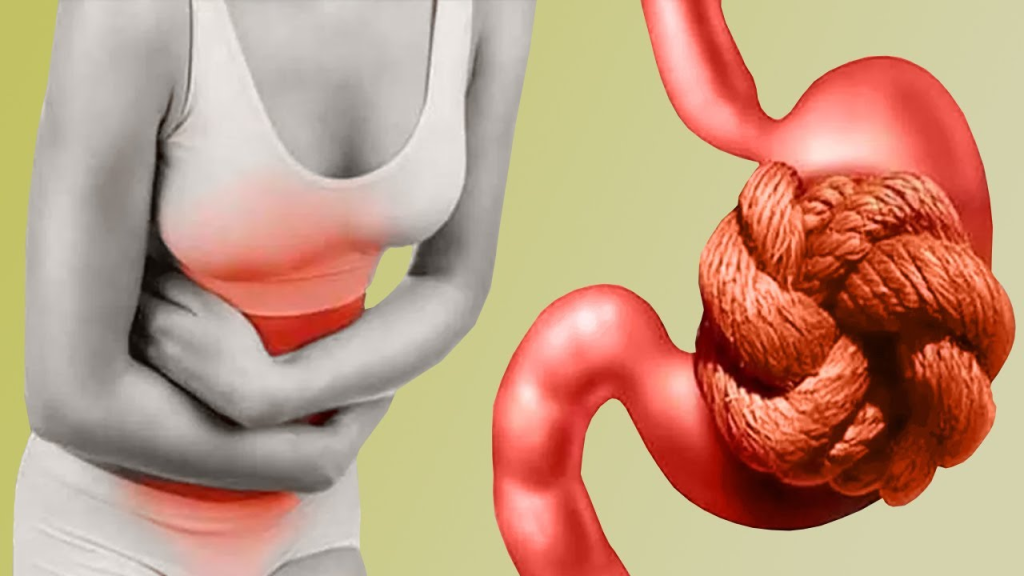
Common Digestive Problems Symptoms
Understanding early signs can help prevent serious complications.
1. Abdominal Pain
One of the most common digestive problems symptoms is stomach pain.
Types of pain:
- Sharp pain → May indicate ulcers or infection
- Dull pain → Could be indigestion
- Cramping → Often related to IBS or gas
If pain is severe or frequent, consult a doctor immediately.
2. Bloating
Bloating is when your stomach feels full, tight, or swollen.
Causes:
- Gas formation
- Slow digestion
- Food intolerance
Signs:
- Tight stomach
- Visible swelling
- Discomfort after eating
3. Gas and Burping
Excess gas is a very common digestive issue.
Symptoms:
- Frequent burping
- Passing gas
- Stomach discomfort
Causes:
- Eating too fast
- Carbonated drinks
- Poor digestion
4. Constipation
Constipation means difficulty in passing stool.
Signs:
- Less than 3 bowel movements per week
- Hard stools
- Straining
Common causes:
- Low fiber diet
- Dehydration
- Sedentary lifestyle
5. Diarrhea
Diarrhea is frequent loose or watery stools.
Symptoms:
- Urgent bowel movements
- Dehydration
- Weakness
Causes:
- Infection
- Food poisoning
- IBS
Also Read: Best Gastro Interventions for GI Bleeding, Liver Tumors & Biliary Obstruction
6. Heartburn and Acidity
Heartburn is a burning sensation in the chest.
Symptoms:
- Burning in chest
- Sour taste in mouth
- Discomfort after meals
This is usually caused by acid reflux.
7. Nausea and Vomiting
Feeling like vomiting or actual vomiting is another key symptom.
Causes:
- Food poisoning
- Gastritis
- Infections
8. Loss of Appetite
If you don’t feel like eating, it may indicate digestive issues.
9. Unexplained Weight Loss
Losing weight without trying can be a serious sign.
10. Blood in Stool
This is a serious symptom and needs immediate medical attention.
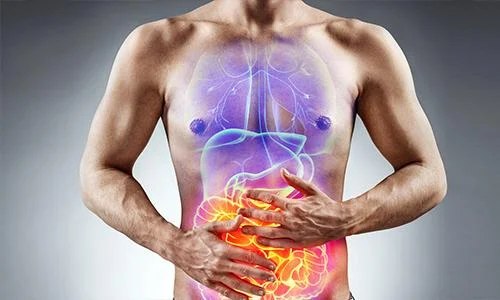
Causes of Digestive Problems
Understanding causes helps in prevention.
1. Poor Diet
- Junk food
- Oily food
- Processed food
2. Lack of Fiber
Fiber helps digestion and bowel movement.
3. Dehydration
Water is essential for proper digestion.
4. Stress
Stress directly affects gut health.
5. Infections
Bacteria or viruses can cause digestive problems.
6. Lifestyle Factors
- Smoking
- Alcohol
- Lack of exercise
Common Digestive Disorders
1. Irritable Bowel Syndrome (IBS)
- Abdominal pain
- Diarrhea or constipation
2. Acid Reflux (GERD)
- Heartburn
- Acid regurgitation
3. Gastritis
- Stomach inflammation
- Pain and nausea
4. Peptic Ulcers
- Sores in stomach lining
5. Gallbladder Issues
- Pain after fatty meals
When Should You See a Doctor?
You should consult a specialist if you experience:
- Severe abdominal pain
- Blood in stool
- Persistent vomiting
- Sudden weight loss
- Symptoms lasting more than a week
At CVIC Indore, experienced doctors like Dr. Alok K Udiya, Dr. Shailesh Gupta, and Dr. Nishant Bhargava provide accurate diagnosis and advanced treatment options.
Diagnosis of Digestive Problems
Doctors use different methods:
1. Physical Examination
Basic check-up and symptom discussion.
2. Blood Tests
To detect infections or deficiencies.
3. Endoscopy
To check inside the digestive tract.
4. Ultrasound / Imaging
To detect internal issues.
Treatment Options for Digestive Problems
1. Lifestyle Changes
- Eat healthy food
- Drink more water
- Exercise regularly
2. Medications
- Antacids
- Antibiotics
- Digestive enzymes
3. Non-Surgical Treatments
Modern treatments focus on minimally invasive procedures.
At CVIC Indore, doctors like Dr. Alok K Udiya, Dr. Shailesh Gupta, and Dr. Nishant Bhargava specialize in advanced, non-surgical solutions.
4. Dietary Changes
- High fiber diet
- Avoid spicy food
- Reduce sugar
Also Read: Expert Gastrointestinal Surgery Services in Indore: Comprehensive Care for Digestive Health
How to Prevent Digestive Problems
1. Eat a Balanced Diet
Include:
- Fruits
- Vegetables
- Whole grains
2. Stay Hydrated
Drink at least 8–10 glasses of water daily.
3. Exercise Regularly
Helps improve digestion.
4. Manage Stress
Meditation and yoga can help.
5. Avoid Junk Food
Limit processed foods.
Role of CVIC Indore in Digestive Care
CVIC Indore is known for advanced and patient-friendly treatment options.
Why choose CVIC?
- Expert doctors
- Modern technology
- Non-surgical treatments
- Personalized care
Doctors at CVIC:
- Dr. Alok K Udiya
- Dr. Shailesh Gupta
- Dr. Nishant Bhargava
They focus on accurate diagnosis and effective treatment.
Benefits of Early Diagnosis
- Prevent complications
- Faster recovery
- Lower treatment cost
- Better quality of life
Lifestyle Tips for Better Digestion
Morning Routine
- Drink warm water
- Eat light breakfast
Eating Habits
- Eat slowly
- Avoid overeating
Night Routine
- Avoid late-night meals
- Walk after dinner
Myths About Digestive Problems
Myth 1: Acidity is normal
Truth: Frequent acidity is not normal.
Myth 2: Only old people have digestive issues
Truth: Anyone can have it.
Myth 3: Medicines always solve the problem
Truth: Lifestyle changes are equally important.
Conclusion
Digestive health is essential for a healthy life. Ignoring symptoms can lead to serious complications. Understanding digestive problems symptoms helps in early detection and treatment.
If you are facing persistent digestive issues, consult experts at CVIC Indore. Doctors like Dr. Alok K Udiya, Dr. Shailesh Gupta, and Dr. Nishant Bhargava provide advanced and effective treatment options to help you live a healthy life.
FAQs
1. What are the most common digestive problems symptoms?
Common symptoms include abdominal pain, bloating, constipation, diarrhea, and acidity.
2. When should I worry about digestive problems?
If symptoms last more than a week or include blood in stool or severe pain, consult a doctor.
3. Can digestive problems be cured without surgery?
Yes, many conditions can be treated with medication and lifestyle changes.
4. Is stress related to digestive problems?
Yes, stress can directly affect your digestive system.
5. How can I improve my digestion naturally?
Eat healthy, drink water, exercise, and manage stress.
6. Which doctor should I consult for digestive issues?
You should consult a specialist. At CVIC Indore, experts provide advanced care.
7. Are digestive problems serious?
Some are mild, but others can be serious if ignored.
8. Can diet alone cure digestive problems?
Diet helps a lot, but sometimes medical treatment is needed.