Digestive and liver problems can sometimes become serious and life-threatening. Conditions like GI Bleeding, Liver Tumors, and biliary obstruction require quick diagnosis and advanced treatment. Earlier, many of these problems needed major surgery. But today, modern image-guided treatments known as Best Gastro Interventions are helping patients recover safely with less pain and faster healing.
At CVIC Indore, advanced interventional procedures are available to manage complex gastrointestinal and liver conditions without large cuts or long hospital stays. In this detailed guide, we will explain everything in simple English so that patients and families can understand their options clearly.
Understanding GI Bleeding
What is GI Bleeding?
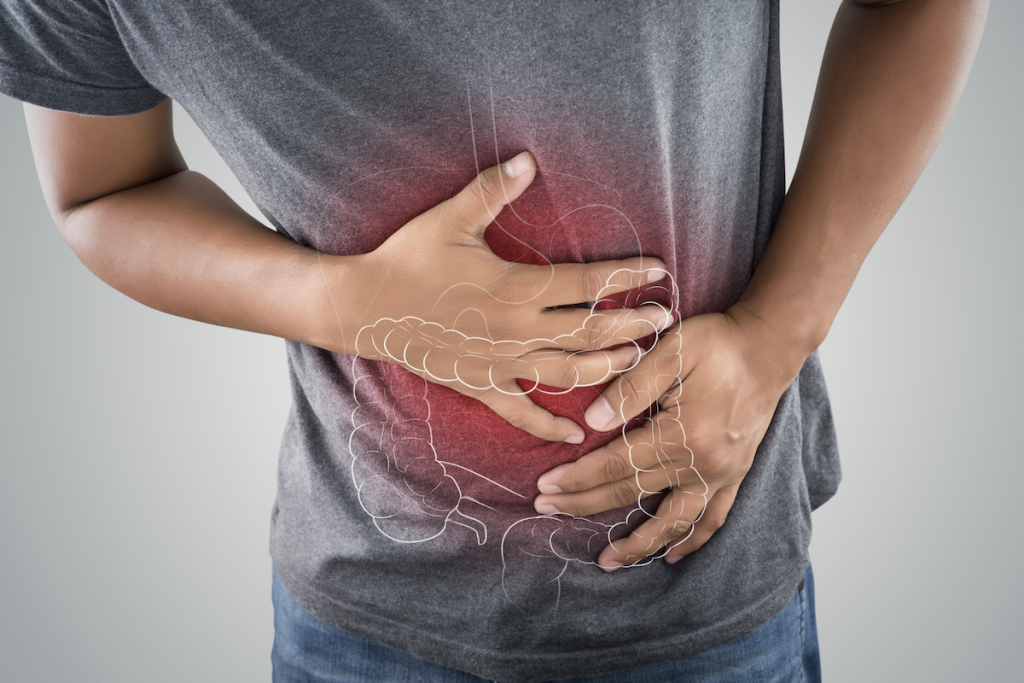
GI Bleeding means bleeding anywhere in the digestive system. The digestive system includes:
- Esophagus (food pipe)
- Stomach
- Small intestine
- Large intestine (colon)
- Rectum
Bleeding can be mild or severe. In some cases, it becomes an emergency.
Symptoms of GI Bleeding
- Vomiting blood
- Black or tarry stools
- Fresh blood in stool
- Severe weakness
- Dizziness or fainting
- Sudden drop in blood pressure
If bleeding is heavy, immediate medical help is required.
Causes of GI Bleeding
- Stomach ulcers
- Liver cirrhosis with varices
- Tumors
- Inflammation
- Injury to blood vessels
Also Read: Thyroid Health: Treating Hypothyroidism, Goiters, and Thyroid Nodules
Best Gastro Interventions for GI Bleeding
Earlier, open surgery was common. But now, minimally invasive treatments are preferred.
1. Endoscopic Treatment
In many cases, doctors use an endoscope (a thin camera tube) to stop bleeding by:
- Injecting medicine
- Applying clips
- Using heat therapy
However, if endoscopy fails, advanced intervention is needed.
2. Angiographic Embolization – Advanced Solution
One of the Best Gastro Interventions for uncontrolled GI Bleeding is embolization.
How it works:
- A small catheter is inserted through a tiny puncture in the groin or wrist.
- The bleeding vessel is identified using imaging.
- Special particles or coils are used to block the bleeding artery.
Benefits:
- No large surgery
- Minimal blood loss
- Quick recovery
- High success rate
At CVIC Indore, advanced imaging helps precisely identify the bleeding source and stop it safely.
Also Read: Hand Veins Explained: Normal vs. Problematic Blood Vessels
Understanding Liver Tumors
What Are Liver Tumors?
Liver Tumors are abnormal growths in the liver. They may be:
- Benign (non-cancerous)
- Malignant (cancerous)
Common types include:
- Hepatocellular carcinoma (primary liver cancer)
- Metastatic tumors (spread from other organs)
Symptoms of Liver Tumors
- Upper abdominal pain
- Weight loss
- Loss of appetite
- Yellow eyes (jaundice)
- Fatigue
- Swelling in abdomen
Early detection improves treatment success.
Also Read: Brain Stroke: Warning Signs, Prevention, and Best Treatment in Indore
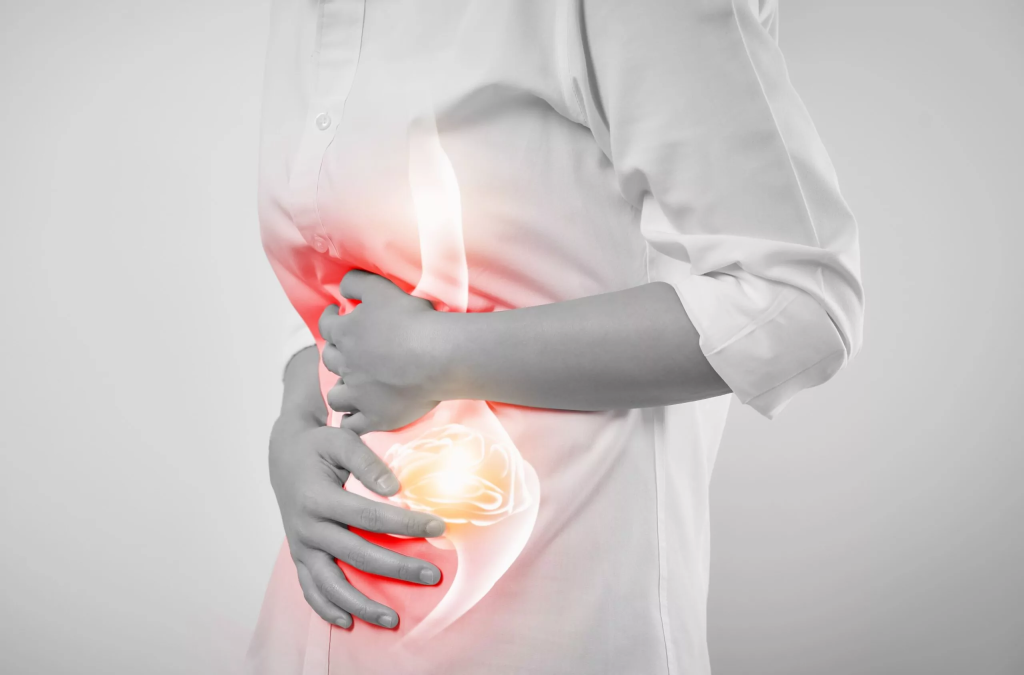
Best Gastro Interventions for Liver Tumors
Modern medicine offers non-surgical treatment options that directly target the tumor.
1. TACE (Transarterial Chemoembolization)
TACE is one of the Best Gastro Interventions for liver cancer.
Procedure:
- A catheter is inserted into the liver artery.
- Chemotherapy medicine is delivered directly into the tumor.
- Blood supply to tumor is blocked.
Advantages:
- Targets tumor directly
- Protects healthy liver tissue
- Less side effects than systemic chemotherapy
2. Radiofrequency Ablation (RFA)
In RFA:
- A needle is inserted into the tumor.
- Heat energy destroys cancer cells.
Suitable for small tumors.
3. Microwave Ablation
Similar to RFA but uses microwave energy to destroy tumor cells quickly and effectively.
4. Y-90 Radioembolization
A specialized treatment where radioactive particles are delivered directly to the tumor.
This is used in selected advanced cases.
At CVIC Indore, treatment plans are customized depending on tumor size, stage, and patient condition.
Understanding Biliary Obstruction
What is Biliary Obstruction?
Biliary obstruction happens when the bile duct gets blocked.
Bile is a fluid produced by the liver that helps digestion.
When the bile duct is blocked, bile cannot flow properly.
Symptoms of Biliary Obstruction
- Yellowing of skin and eyes (jaundice)
- Dark urine
- Pale stools
- Itching
- Abdominal pain
- Fever (in infection cases)
Causes:
- Gallstones
- Tumors
- Strictures (narrowing)
- Pancreatic cancer
Best Gastro Interventions for Biliary Obstruction
1. Biliary Stenting
A thin tube (stent) is placed inside the bile duct to keep it open.
Procedure:
- Guided by imaging
- No major surgery
- Immediate relief of jaundice
2. Percutaneous Transhepatic Biliary Drainage (PTBD)
When internal stenting is not possible:
- A small tube is inserted through the skin into the liver.
- Bile is drained externally or internally.
This reduces infection and liver damage.
At CVIC Indore, advanced imaging ensures safe and accurate stent placement.
Why Minimally Invasive Gastro Interventions Are Better
Traditional surgery:
- Large cuts
- Higher blood loss
- Long hospital stay
- Higher infection risk
Modern interventions:
- Tiny puncture
- Local anesthesia
- Less pain
- Faster recovery
- Short hospital stay
That is why many patients now prefer Best Gastro Interventions over open surgery.
Who Should Consider Gastro Interventions?
You may need consultation if you have:
- Sudden GI Bleeding
- Liver Tumors diagnosed on scan
- Persistent jaundice
- Severe abdominal pain
- History of liver disease
- Blocked bile duct
Early intervention saves lives.
Recovery After Gastro Interventions
Most patients:
- Walk within 24 hours
- Discharged in 1–3 days
- Resume normal activities quickly
Some mild pain or fever may occur temporarily.
Risks & Safety
Possible risks:
- Mild pain
- Temporary fever
- Rare infection
- Rare bleeding at puncture site
At CVIC Indore, strict safety protocols and advanced technology reduce complications significantly.
Why Choose CVIC Indore?
- Advanced Interventional Radiology expertise
- Experienced specialists
- Modern cath lab facilities
- Personalized treatment planning
- Minimally invasive procedures
Patients choose CVIC Indore because:
- Focus on non-surgical treatment
- Faster recovery
- Advanced tumor care
- Emergency GI Bleeding management
- Safe biliary stenting services
FAQs
1. Is GI Bleeding life-threatening?
Yes, severe GI Bleeding can be dangerous and needs urgent treatment.
2. Are Liver Tumors always cancer?
No. Some tumors are benign, but proper evaluation is necessary.
3. Is embolization painful?
Most patients feel mild discomfort but it is much less painful than open surgery.
4. Can biliary obstruction be cured?
It depends on the cause. Stenting and drainage can provide relief and improve quality of life.
5. How long is hospital stay?
Usually 1–3 days, depending on the condition.
Final Thoughts
Digestive and liver diseases like GI Bleeding, Liver Tumors, and biliary obstruction can be serious. But thanks to modern medical science, safe and effective solutions are available.
The Best Gastro Interventions offer:
- Less pain
- Faster recovery
- Targeted treatment
- Improved survival in many cases
If you or your loved one is facing any of these conditions, early consultation is very important.
At CVIC Indore, expert specialists provide advanced, image-guided treatments designed to save lives while preserving quality of life.
Modern care.
Minimal pain.
Maximum precision.