A brain aneurysm is one of those silent medical emergencies that can catch anyone off guard. It sits quietly in the blood vessels of the brain — like a balloon slowly filling with air — and most people don’t even know it’s there. But here’s the truth: the human body almost always sends out warning signals before something serious happens. The problem is, most of us either don’t recognize these signals or simply brush them off as stress, tiredness, or a bad headache.
In this blog, the team at CVIC Indore — led by some of Madhya Pradesh’s most trusted names in neurology and neurovascular care, including Dr. Alok K Udiya, Dr. Shailesh Gupta, and Dr. Nishant Bhargava — breaks down everything you need to know about the symptoms before brain aneurysm rupture. Reading this blog carefully could genuinely save your life or someone you love.
What Is a Brain Aneurysm?
Before we talk about symptoms, let’s understand what we’re dealing with.
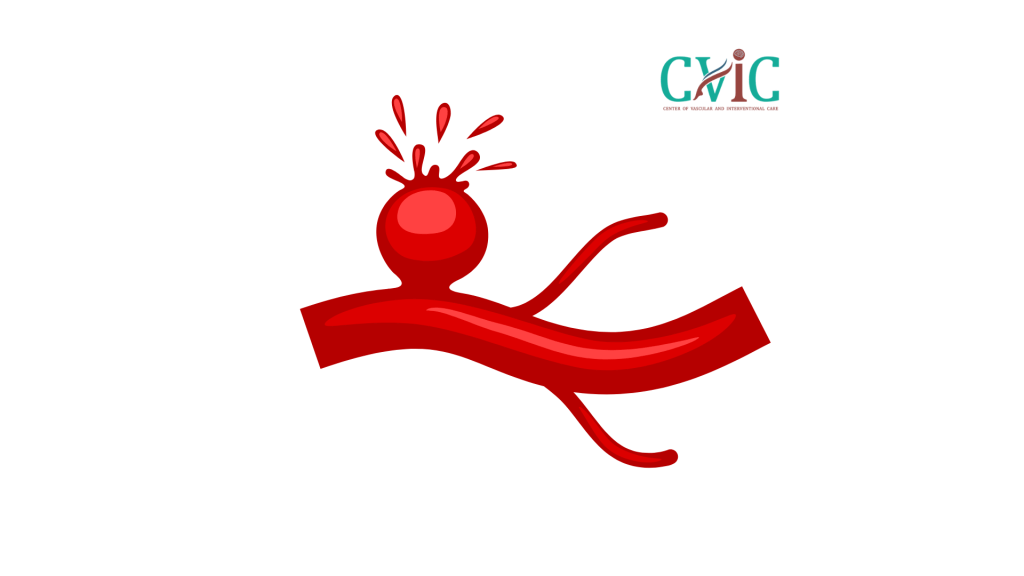
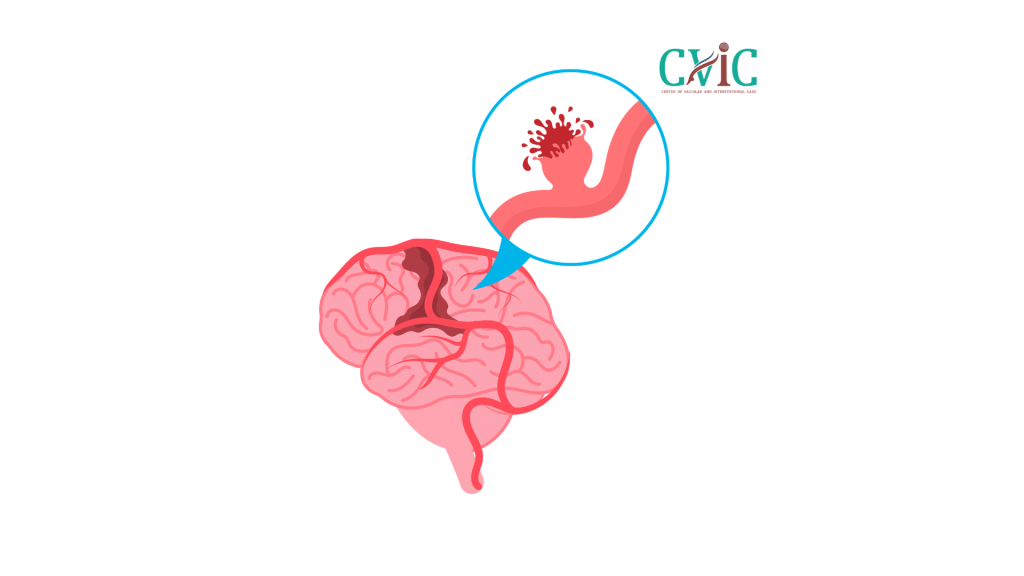
A brain aneurysm (also called a cerebral aneurysm) is a weak, bulging spot on the wall of an artery in the brain. Over time, blood pressure pushes against this weak spot and causes it to bulge outward — much like a thin spot on a balloon. If the pressure gets too much, the aneurysm can rupture (burst), causing severe bleeding inside or around the brain.
This is called a subarachnoid hemorrhage — a life-threatening emergency that requires immediate medical attention.
The scary part? Around 50–80% of aneurysms never rupture. They just sit there silently. But the ones that do can cause permanent disability or death within minutes. That’s why understanding the symptoms before brain aneurysm rupture is so critically important.
Who Is at Risk?
Brain aneurysms can affect anyone, but certain factors increase your risk:
- High blood pressure (hypertension) — the number one risk factor
- Smoking — weakens artery walls significantly
- Family history of brain aneurysms
- Age — most common in people between 40 and 60 years old
- Gender — women are slightly more prone than men
- Head injuries or infections
- Conditions like polycystic kidney disease or connective tissue disorders
In cities like Indore, where lifestyle diseases like hypertension and diabetes are increasingly common, the risk of brain aneurysms is rising. This makes awareness about symptoms before brain aneurysm rupture more important than ever.
Two Phases of Symptoms: Unruptured vs. About-to-Rupture
Doctors at CVIC Indore, including Dr. Alok K Udiya and Dr. Nishant Bhargava, often explain to patients that symptoms can appear in two phases:
- Symptoms of an unruptured (but growing) aneurysm — these are chronic, mild, and easy to ignore
- Warning symptoms just before rupture — these are sudden, intense, and demand immediate attention
Let’s go through both in detail.
Symptoms of an Unruptured Brain Aneurysm
Most small aneurysms produce no symptoms at all. However, as they grow larger, they start pressing on nearby brain tissue and nerves. Here’s what to watch out for:
1. Pain Above or Behind One Eye
One of the earliest and most common symptoms of a growing brain aneurysm is a dull, persistent pain located above or just behind one eye. This happens because an enlarging aneurysm can press on the oculomotor nerve — the nerve that controls eye movement and the pupil.
Many people mistake this for eye strain, migraine, or sinus pressure. But if the pain keeps coming back and is localized to one eye, it’s worth getting checked.
2. Vision Changes
As an aneurysm grows, it may affect your vision. You might notice:
- Double vision (diplopia)
- Blurred vision in one or both eyes
- A feeling that your field of vision is narrowing
- Light sensitivity
These symptoms happen because the aneurysm is pressing on nerves that control the eyes. Any unexplained vision change — especially if it comes on suddenly — should be evaluated by a specialist.
3. Numbness or Weakness on One Side of the Face
If an aneurysm is located near the base of the brain, it can press on the facial nerve, leading to:
- Numbness on one side of the face
- Tingling or weakness in the cheek, jaw, or forehead
- Drooping of the eyelid (ptosis)
This is often mistaken for dental nerve pain or a minor neurological issue. At CVIC Indore, Dr. Shailesh Gupta has seen several cases where patients came in months after first experiencing facial numbness — by which time the aneurysm had grown significantly.
4. Dilated Pupil
A noticeably dilated (enlarged) pupil in one eye that doesn’t respond normally to light is a warning sign that should never be ignored. This happens when the aneurysm compresses the third cranial nerve. If you notice your pupil looks unusually large — especially with other symptoms — seek medical attention immediately.
5. Recurring Headaches in the Same Location
While most headaches are harmless, a pattern of recurring headaches that always appear in the same location — particularly around the temples, behind one eye, or at the base of the skull — can signal an enlarging aneurysm. These headaches may be dull and throbbing, and they don’t always respond well to common pain medications.
If you’re in Indore and experiencing recurring, localized headaches, a consultation with the neurovascular experts at CVIC Indore — including Dr. Alok K Udiya — can provide the diagnostic clarity you need.
Critical Warning Symptoms Just Before Rupture: The “Sentinel Headache”
Here is where things become truly urgent. In the days or weeks before a brain aneurysm actually ruptures, many patients experience what doctors call a “sentinel headache” or “warning leak” — a small amount of blood leaks from the aneurysm before the full rupture. This produces very distinct symptoms.
6. The “Thunderclap Headache” — The Most Important Warning Sign
This is arguably the single most important symptom before brain aneurysm rupture to know about.
A thunderclap headache is described as:
“The worst headache of my life — coming on suddenly, like a clap of thunder.”
It peaks within seconds to a minute and is unlike any headache you’ve had before. It doesn’t build gradually. It hits hard, fast, and all at once.
If you or someone near you experiences this type of headache — call emergency services immediately. Do not wait and see. Do not take a painkiller and sleep it off. This is a medical emergency.
At CVIC Indore, Dr. Nishant Bhargava emphasizes that patients who arrive quickly after a sentinel headache have dramatically better outcomes than those who delay. Time is brain tissue — every minute matters.
7. Sudden Neck Stiffness
A sudden, unexplained stiffness in the neck — especially when it accompanies a severe headache — can signal that blood is irritating the lining around the brain and spinal cord (the meninges). This is a classic sign of early subarachnoid hemorrhage.
It may feel like you’ve pulled a muscle, but if it appears alongside a headache or any neurological symptoms, it’s not something to dismiss.
8. Nausea and Vomiting
Sudden, forceful vomiting — especially with no prior stomach illness and alongside a severe headache — is a red flag. Increased pressure inside the skull often triggers nausea and vomiting as the brain’s regulatory systems are disrupted.
9. Sudden Sensitivity to Light (Photophobia)
A person on the verge of an aneurysm rupture may suddenly find bright light extremely painful or unbearable. This photophobia, combined with a severe headache and neck stiffness, forms a classic triad that doctors look for in meningeal irritation.
10. Sudden Confusion or Change in Mental Status
If someone suddenly becomes confused, disoriented, or unusually forgetful — especially without any prior history of such episodes — it could indicate reduced blood flow to parts of the brain due to an aneurysm pressing on or leaking near critical structures.
This may look like the person is “acting strange,” not knowing where they are, struggling to find words, or responding slowly to questions.
11. Loss of Consciousness or Seizures
In more severe cases just before rupture, a person may experience:
- Fainting or brief loss of consciousness
- Seizures (fits) — sudden involuntary body movements
- Extreme drowsiness or difficulty staying awake
These are extremely serious symptoms that mean the brain is under significant stress. Emergency care must be sought without delay.
Special Note: Symptoms in the Context of Indore’s Healthcare Landscape
Indore is a fast-growing city with rising rates of hypertension, stress-related disorders, and sedentary lifestyle diseases — all of which increase the risk of vascular events including brain aneurysms. Yet awareness about symptoms before brain aneurysm rupture remains low among the general population.
Many patients who visit CVIC Indore arrive with stories of how they or their family member had warning signs days or even weeks before the rupture — but either didn’t recognize them or thought it wasn’t serious enough to visit a specialist.
CVIC (Comprehensive Vascular and Interventional Center), Indore is one of the region’s leading centers for diagnosing and treating brain and vascular conditions. The center is equipped with advanced neuroimaging technology, and its team of neurovascular specialists — Dr. Alok K Udiya, Dr. Shailesh Gupta, and Dr. Nishant Bhargava — brings decades of combined experience in managing complex brain conditions, including cerebral aneurysms.
Their approach is not just about treatment — it’s about early detection and prevention. When patients come in with early warning signs, the team at CVIC Indore can conduct CT scans, MRI/MRA imaging, or cerebral angiography to confirm the presence of an aneurysm and plan the best course of action — often before any rupture occurs.
What to Do If You Experience These Symptoms
Here is a simple action guide:
If you have mild, recurring symptoms (pain behind eye, vision changes, recurring headaches in one spot):
- Do not ignore them or self-medicate
- Book an appointment with a neurologist or neurovascular specialist
- Mention all your symptoms clearly, including when they started and how often they occur
- Ask about getting an MRI or CT angiography to rule out a brain aneurysm
If you or someone around you experiences a sudden severe headache, loss of consciousness, seizure, or neck stiffness:
- Call emergency services immediately (dial 112 in India)
- Do not give food, water, or medication
- Keep the person calm and lying down
- Get to the nearest equipped hospital — in Indore, CVIC is prepared to handle such emergencies
Diagnosis: How Brain Aneurysms Are Detected
At CVIC Indore, Dr. Alok K Udiya and the team use several advanced diagnostic tools:
- CT Scan (Computed Tomography): The first test usually done in emergencies to detect bleeding around the brain
- CTA (CT Angiography): Provides detailed images of blood vessels in and around the brain
- MRI/MRA (Magnetic Resonance Angiography): Best for detecting unruptured aneurysms without radiation
- DSA (Digital Subtraction Angiography): The gold standard for detailed mapping of aneurysm size, shape, and location — crucial for planning treatment
Early diagnosis through these methods allows the medical team to decide whether to monitor the aneurysm, treat it with medication, or perform a procedure such as endovascular coiling or surgical clipping before it ruptures.
Prevention: Can You Reduce Your Risk?
While you can’t always prevent a brain aneurysm, you can significantly reduce your risk and prevent rupture by:
- Controlling blood pressure — check it regularly and take medication if prescribed
- Quitting smoking — one of the most impactful things you can do for vascular health
- Reducing alcohol consumption
- Managing stress through yoga, meditation, and regular exercise
- Getting regular health check-ups — especially if you have a family history of aneurysms
- Maintaining a healthy diet low in sodium and saturated fats
Dr. Shailesh Gupta at CVIC Indore regularly advises patients that lifestyle modifications, combined with regular neurological check-ups, are the best tools against vascular events.
Final Thoughts: Don’t Wait, Don’t Ignore
A brain aneurysm is one of those conditions where early action makes all the difference. The symptoms before brain aneurysm rupture are real, recognizable, and worth taking seriously. Whether it’s a persistent pain behind your eye, recurring unusual headaches, or the sudden worst headache of your life — your body is trying to tell you something.
The expert team at CVIC Indore — comprising Dr. Alok K Udiya, Dr. Shailesh Gupta, and Dr. Nishant Bhargava — is here to listen, diagnose, and guide you with the most advanced neurovascular care available in Madhya Pradesh.
If you are in Indore or anywhere in central India and are concerned about any of the symptoms discussed in this blog, do not wait. An early consultation can mean the difference between a normal life and a life-altering emergency.
CVIC Indore — Comprehensive Vascular & Interventional Centre Advanced Neurovascular Care | Early Detection | Life-Saving Treatment
For appointments and inquiries, contact CVIC Indore today.
Disclaimer: This blog is for educational purposes only. It does not replace professional medical advice, diagnosis, or treatment. Always consult a qualified medical professional for any health concerns.