Paralysis after stroke is one of the most common and most worrying complications that patients and their families face. When someone suddenly loses movement in one side of the body, it creates fear, confusion, and many questions—“Will I recover?”, “How long will it take?”, and “Can I walk again?”
The good news is that recovery is possible. Many patients improve significantly with the right treatment, rehabilitation, and care. The speed and extent of recovery depend on several factors, but modern medical science—especially interventional neurology and rehabilitation therapies—has made outcomes much better than before.
At CVIC Indore, specialists like Dr. Alok K Udiya, Dr. Shailesh Gupta, and Dr. Nishant Bhargava focus on advanced, non-surgical treatments and stroke care to improve recovery outcomes.
In this detailed guide, we will explain everything in simple English so that you clearly understand your condition and recovery journey.
What is Paralysis After Stroke?
A stroke happens when blood supply to the brain is blocked or reduced, leading to damage of brain cells. Since the brain controls body movements, damage to certain areas can cause paralysis.
Types of Paralysis After Stroke:
- Hemiplegia – Complete paralysis on one side of the body
- Hemiparesis – Weakness on one side of the body
- Facial paralysis – Drooping of one side of the face
- Speech and swallowing difficulty
Most commonly, paralysis affects:
- Arm
- Leg
- Face (same side)
Also Read: Carotid Artery Disease: Preventing Stroke with Stenting and Angioplasty
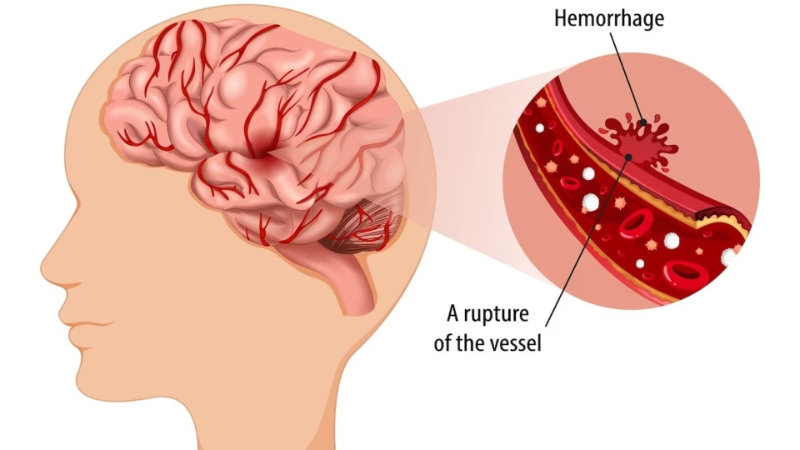
Why Does Paralysis Happen After Stroke?
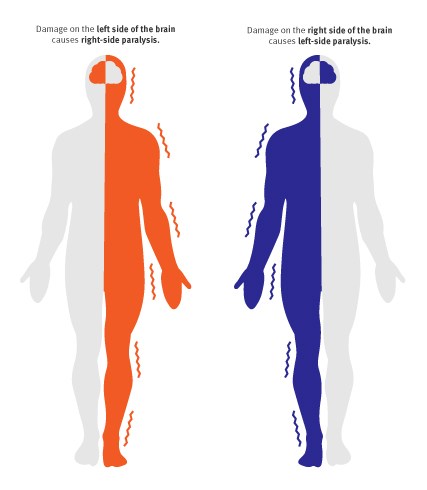
The brain works like a control center. Different areas control different body parts.
- If the left side of the brain is damaged → right side of body is affected
- If the right side of the brain is damaged → left side of body is affected
Key Reasons:
- Lack of oxygen to brain cells
- Damage to motor control areas
- Nerve signal disruption
This is why patients suddenly lose movement, balance, and coordination.
Can Paralysis After Stroke Be Reversed?
This is the most important question.
Short Answer:
Yes, recovery is possible—but it varies from person to person.
Long Answer:
The brain has a special ability called neuroplasticity, which means:
The brain can re-learn and rewire itself after injury.
With proper treatment and therapy:
- Other parts of the brain can take over lost functions
- Muscles can regain strength
- Movement can improve
Factors That Affect Recovery
Not every patient recovers the same way. Recovery depends on:
1. Severity of Stroke
- Mild stroke → faster recovery
- Severe stroke → longer recovery
2. Time of Treatment
- Early treatment (within golden hours) improves chances
- Delay can increase damage
3. Age of Patient
- Younger patients recover faster
- Older patients may take more time
4. Area of Brain Affected
- Small area → better recovery
- Large area → more difficulty
5. Rehabilitation Quality
- Proper physiotherapy and care = better results
Stages of Recovery After Stroke
Recovery usually happens in phases:
1. Early Stage (First Few Days)
- Patient may not move limbs
- Focus on stabilizing condition
2. Initial Recovery (First 3 Months)
- Maximum improvement happens here
- Movement starts coming back
3. Continued Recovery (3–6 Months)
- Strength and coordination improve
- Walking may become possible
4. Long-Term Recovery (6 Months – 2 Years)
- Gradual improvement continues
- Therapy plays a big role
Common Symptoms of Paralysis After Stroke
- Weakness in arms or legs
- Difficulty walking
- Loss of balance
- Slurred speech
- Facial drooping
- Difficulty holding objects
- Muscle stiffness
Treatment Options for Paralysis After Stroke
Treatment focuses on restoring movement and preventing further damage.
1. Emergency Stroke Treatment
- Clot removal (thrombectomy)
- Medicines to dissolve clots
At centers like CVIC Indore, advanced interventional procedures help restore blood flow quickly.
2. Physiotherapy
This is the most important part of recovery.
Includes:
- Muscle strengthening exercises
- Walking training
- Balance improvement
- Stretching
3. Occupational Therapy
Helps patient do daily activities like:
- Eating
- Dressing
- Writing
4. Speech Therapy
For patients with:
- Speaking difficulty
- Swallowing problems
5. Medications
Doctors may prescribe:
- Blood thinners
- Muscle relaxants
- Pain management medicines
6. Advanced Neuro Treatments
At specialized centers like CVIC Indore:
- Non-surgical stroke treatments
- Interventional radiology procedures
- Targeted therapy for better recovery
Also Read: Stroke Treatment in Indore: Endovascular Thrombectomy & Expert Care
How Long Does Recovery Take?
Recovery time varies:
- Mild cases → weeks to months
- Moderate cases → 3–6 months
- Severe cases → 1 year or more
Important:
Recovery does NOT stop early. Improvement can continue for years.
Can a Patient Walk Again?
Yes, many patients learn to walk again with therapy.
Depends on:
- Strength in legs
- Balance
- Consistency of physiotherapy
Some patients may:
- Walk independently
- Use support (stick/walker)
- Require assistance
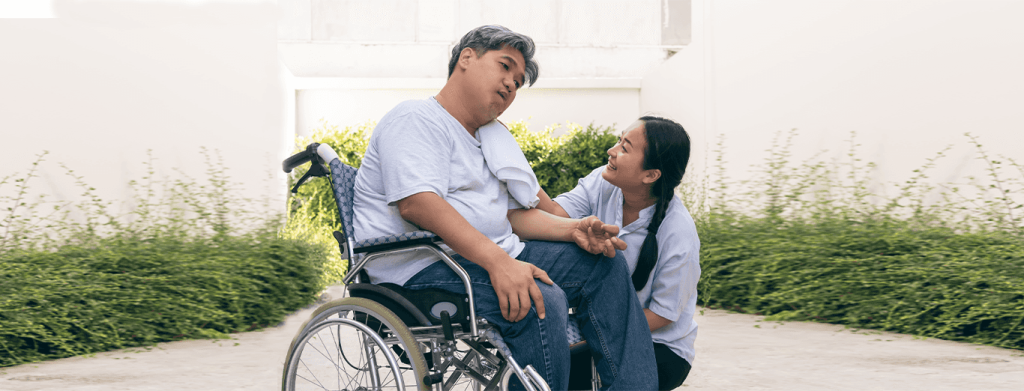
Exercises That Help Recovery
Basic Exercises:
- Hand grip exercises
- Leg lifting
- Shoulder rotation
- Finger movement practice
Advanced Exercises:
- Walking practice
- Stair climbing
- Balance training
Always do exercises under guidance.
Role of Family Support
Recovery is not just medical—it is emotional too.
Family can help by:
- Encouraging patient
- Helping with exercises
- Maintaining positive environment
- Avoiding negativity
Mental Health After Stroke
Many patients feel:
- Depression
- Anxiety
- Fear
This is normal.
Solution:
- Counseling
- Support groups
- Positive motivation
Diet for Stroke Recovery
Healthy diet improves recovery.
Recommended:
- Fruits and vegetables
- Whole grains
- Protein-rich food
- Low salt diet
Avoid:
- Junk food
- Smoking
- Alcohol
Preventing Another Stroke
Prevention is very important.
Tips:
- Control BP and sugar
- Take medicines regularly
- Exercise daily
- Maintain healthy weight
Realistic Expectations
It is important to be realistic.
Recovery may include:
- Partial recovery
- Full recovery (in some cases)
- Slow progress
Key Point:
Consistency is more important than speed.
When to Consult a Specialist?
You should consult immediately if:
- Sudden weakness
- Speech difficulty
- Facial drooping
- Loss of balance
Early treatment can save life and reduce paralysis.
Why Choose CVIC Indore for Stroke Care?
CVIC Indore is known for:
- Advanced stroke treatment
- Non-surgical procedures
- Expert doctors like:
- Dr. Alok K Udiya
- Dr. Shailesh Gupta
- Dr. Nishant Bhargava
They focus on:
- Early diagnosis
- Faster recovery
- Patient-centered care
Conclusion
Paralysis after stroke is serious, but recovery is possible.
Many patients improve with:
- Early treatment
- Regular physiotherapy
- Strong mental support
- Proper medical guidance
The journey may be slow, but every small improvement matters.
If you or your loved one is suffering from paralysis after stroke, do not lose hope. With the right care and support, life can improve significantly.
Also Read: Brain Stroke: Warning Signs, Prevention, and Best Treatment in Indore
FAQs
1. Can paralysis after stroke be cured completely?
In some cases, yes. Many patients recover fully or partially depending on severity and treatment.
2. How long does it take to recover?
Recovery may take weeks to months, and sometimes years.
3. Is physiotherapy necessary?
Yes, it is the most important part of recovery.
4. Can brain heal after stroke?
Yes, through neuroplasticity, the brain can rewire itself.
5. Can a person live normal life after stroke?
Many patients return to normal or near-normal life with proper treatment.