Women’s health is one of the most important aspects of overall well-being, yet many women ignore early symptoms or hesitate to seek medical help. This is where gynecology plays a crucial role. In this detailed guide, we will explain everything about women’s health in simple language — from symptoms to treatments and when you should visit a doctor.
If you are searching for Gynecology Explained, this blog will give you complete clarity.
What is Gynecology?
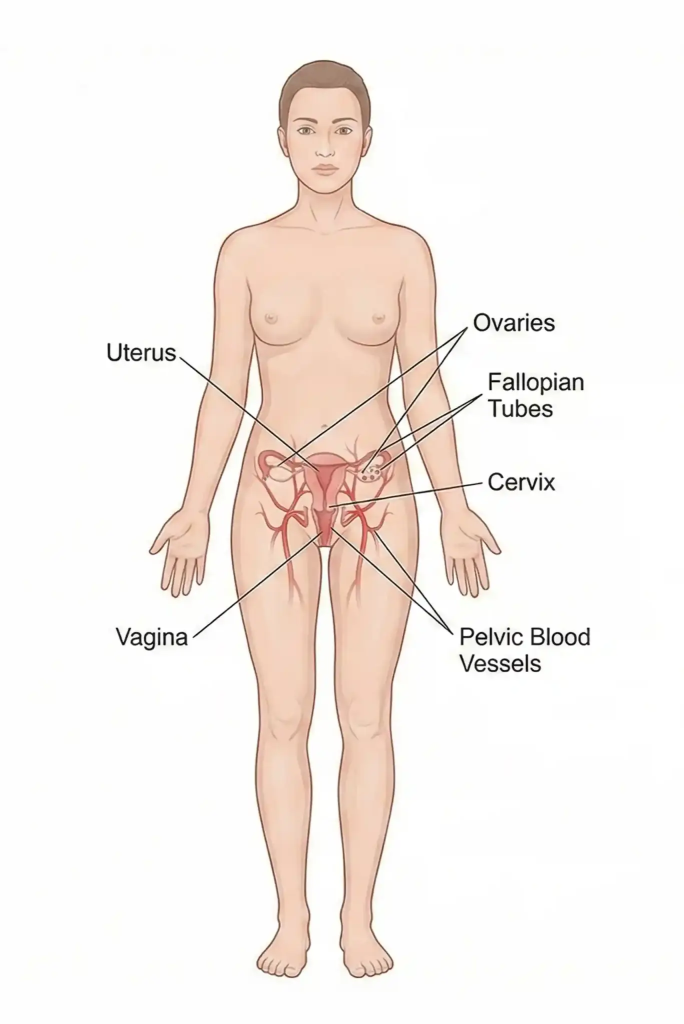
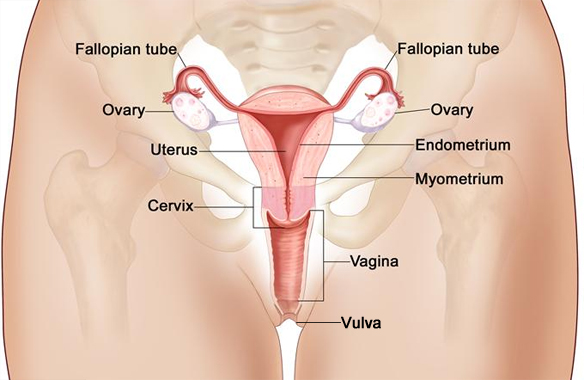
Gynecology is a branch of medicine that focuses on the health of the female reproductive system. This includes:
- Uterus
- Ovaries
- Fallopian tubes
- Cervix
- Vagina
A doctor who specializes in this field is called a gynecologist.
In simple terms:
Gynecology helps women manage their health from puberty to pregnancy and menopause.
Also Read: What is Gynecology? Complete Guide to Women’s Health
Importance of Gynecology in Women’s Life
Gynecology is not just about pregnancy — it covers every stage of a woman’s life:
- Teen health (periods issues)
- Reproductive health
- Pregnancy care
- Hormonal balance
- Menopause support
Regular checkups can help detect problems early and prevent serious complications.
At CVIC Indore, expert doctors like Dr. Alok K Udiya, Dr. Shailesh Gupta, and Dr. Nishant Bhargava provide advanced and patient-friendly care.
What Does a Gynecologist Do?
A gynecologist helps in:
Diagnosis
- Identifying problems related to periods, hormones, or reproductive organs
Treatment
- Providing medicines, therapies, or procedures
Preventive Care
- Regular checkups
- Screenings like Pap smear
Pregnancy & Fertility Support
- Pre-pregnancy counseling
- Fertility treatments
Also Read: Best Gynecology Interventions for Fibroids, PCOS & Heavy Bleeding
Common Gynecology Problems
Understanding common issues helps in early detection.
1. PCOS / PCOD
- Hormonal imbalance
- Irregular periods
- Weight gain
2. Irregular Periods
- Late or missed cycles
- Heavy bleeding
3. Uterine Fibroids
- Non-cancerous growth in uterus
- Can cause pain and heavy bleeding
4. Endometriosis
- Tissue grows outside uterus
- Causes severe pain
5. Vaginal Infections
- Itching, discharge, irritation
6. Infertility
- Difficulty in conceiving
These problems are very common but should never be ignored.
Symptoms You Should Not Ignore
Many women delay visiting a doctor. Watch out for these warning signs:
- Severe period pain
- Heavy or prolonged bleeding
- Missed periods
- Unusual vaginal discharge
- Pelvic pain
- Pain during intercourse
- Sudden weight gain or hair growth
If you notice any of these, consult a specialist immediately.
When to Visit a Gynecologist?
This is one of the most searched questions under Gynecology Explained.
You should visit a gynecologist:
First Visit
- Between age 13–15 (for awareness)
Regular Checkups
- Once a year
If You Have Symptoms
- Pain, irregular cycles, infections
Before Pregnancy
- For planning and health check
During Pregnancy
- Regular monitoring
After Age 40
- Hormonal and menopause care

Gynecology Treatments Available
Treatment depends on the condition. Common options include:
1. Medications
- Hormonal tablets
- Antibiotics
2. Lifestyle Changes
- Diet improvement
- Exercise
- Stress management
3. Hormonal Therapy
- For PCOS and menopause
4. Minimally Invasive Procedures
- Small procedures with faster recovery
Advanced & Non-Surgical Treatments
Modern gynecology is moving towards non-surgical treatments.
At CVIC Indore, advanced procedures are available such as:
Uterine Fibroid Embolization (UFE)
- Non-surgical treatment for fibroids
Image-Guided Procedures
- Precise and safe
Pain-Free Treatments
- Faster recovery
These treatments are handled by experts like:
- Dr. Alok K Udiya
- Dr. Shailesh Gupta
- Dr. Nishant Bhargava
These specialists focus on minimally invasive care, reducing hospital stay and improving results.
Benefits of Early Diagnosis
Early diagnosis can:
- Prevent complications
- Improve fertility chances
- Reduce treatment cost
- Avoid surgery
- Improve quality of life
Ignoring symptoms can make conditions worse.
How to Maintain Women’s Health
Simple habits can make a big difference:
Healthy Diet
- Iron-rich foods
- Fruits and vegetables
Regular Exercise
- Helps in hormonal balance
Hygiene
- Maintain personal cleanliness
Stress Management
- Yoga and meditation
Regular Checkups
- Do not skip doctor visits
Choosing the Right Gynecologist
Choosing a good doctor is very important.
Look for:
- Experience
- Advanced technology
- Patient reviews
- Proper diagnosis approach
- Availability of non-surgical treatments
CVIC Indore is known for its advanced approach and expert team.
Why Choose CVIC Indore?
Here’s why many patients trust CVIC Indore:
- Experienced specialists
- Modern technology
- Non-surgical treatment options
- Patient-friendly environment
- High success rate
Doctors:
- Dr. Alok K Udiya
- Dr. Shailesh Gupta
- Dr. Nishant Bhargava
They focus on accurate diagnosis and personalized care.
Conclusion
Understanding women’s health is essential for a better life. This guide on Gynecology Explained helps you understand symptoms, treatments, and the right time to consult a doctor.
Don’t ignore your body signals.
Early consultation can save you from major problems.
If you are experiencing any symptoms, consult experts at CVIC Indore for advanced and safe treatment options.
FAQs
1. What is gynecology?
Gynecology is the medical field that deals with women’s reproductive health.
2. When should I visit a gynecologist?
You should visit if you have symptoms, are planning pregnancy, or for regular yearly checkups.
3. What are common gynecology problems?
PCOS, fibroids, infections, irregular periods, and infertility.
4. Is gynecology only for pregnancy?
No, it covers overall women’s health at all stages of life.
5. Are there non-surgical treatments available?
Yes, advanced treatments like embolization are available at CVIC Indore.
6. How often should I get a checkup?
At least once a year, or more if you have symptoms.