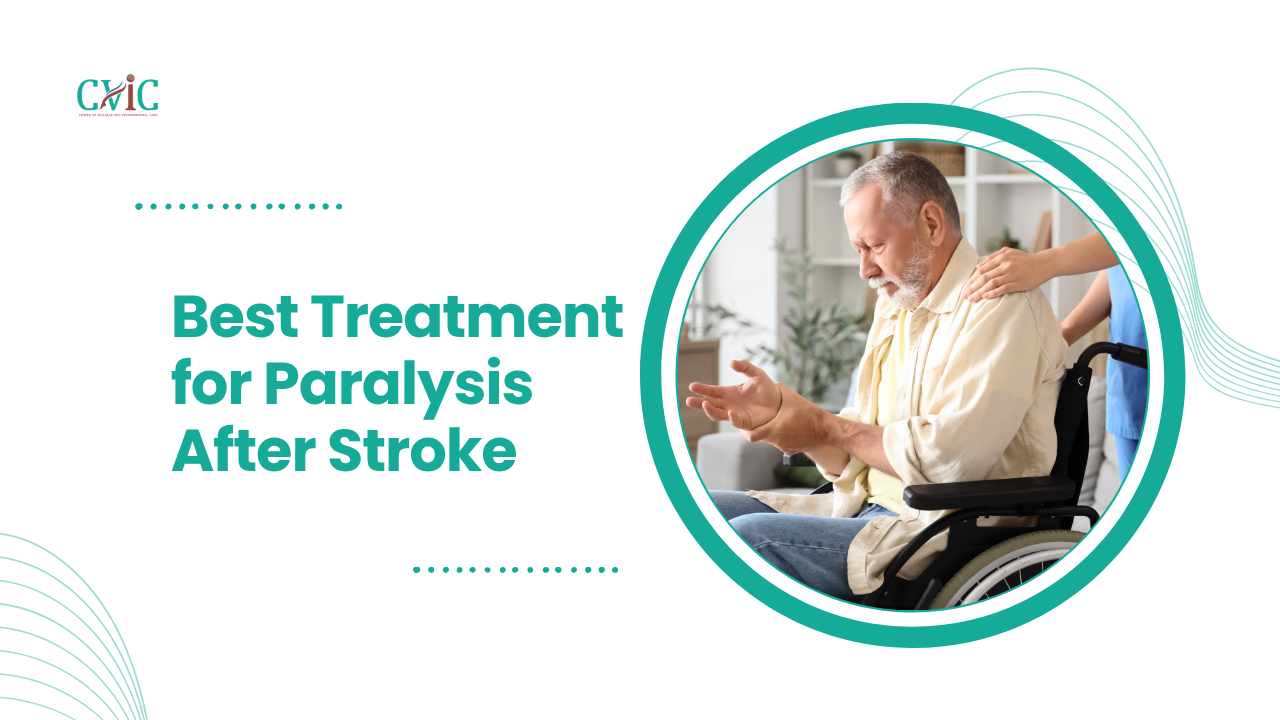
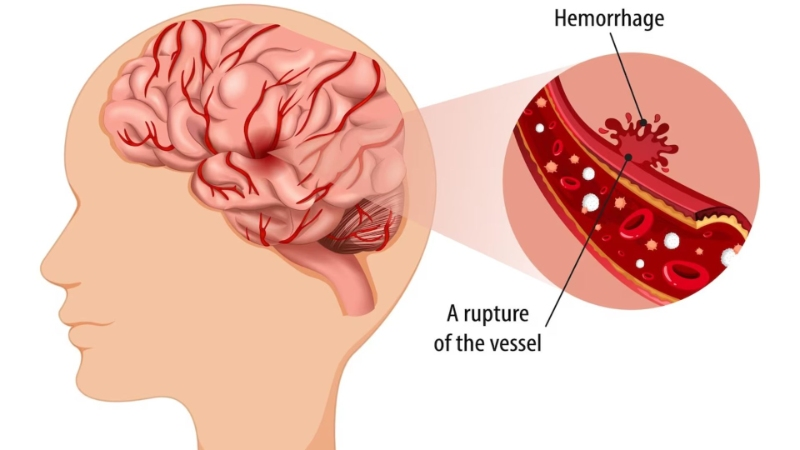
Paralysis after stroke is one of the most serious and life-changing conditions a person can face. A stroke happens when blood flow to the brain is blocked or reduced, causing brain cells to die. This damage often leads to weakness or complete loss of movement in parts of the body.
Understanding the Best treatment for paralysis after stroke is very important because timely and proper care can help patients regain movement, improve independence, and live a better life.
At CVIC Indore, experienced specialists like Dr. Alok K Udiya, Dr. Shailesh Gupta, and Dr. Nishant Bhargava provide advanced and non-surgical treatments to help stroke patients recover faster.
This detailed guide will help you understand paralysis after stroke, treatment options, recovery process, and how to choose the best care.
What is Paralysis After Stroke?
Paralysis after stroke occurs when a Stroke damages the part of the brain that controls muscle movement.
Types of paralysis include:
- Hemiplegia – Complete paralysis on one side of the body
- Hemiparesis – Weakness on one side
- Facial paralysis – Drooping of face muscles
- Partial limb paralysis – Affecting arms or legs
Also Read: Brain Stroke: Warning Signs, Prevention, and Best Treatment in Indore

Why Paralysis Happens After Stroke
The brain controls movement signals sent to muscles. When a stroke damages these areas:
- Signals cannot reach muscles
- Muscles stop responding
- Body movement becomes difficult or impossible
The severity depends on:
- Area of brain affected
- Size of stroke
- Speed of treatment
Early Signs of Paralysis After Stroke
Recognizing early signs can save life and reduce paralysis:
- Sudden weakness on one side
- Face drooping
- Slurred speech
- Difficulty walking
- Loss of balance
Immediate treatment within the “golden hour” can prevent severe paralysis.
Best Treatment for Paralysis After Stroke
The Best treatment for paralysis after stroke is not a single method. It is a combination of medical care, therapy, and rehabilitation.
1. Emergency Stroke Treatment (First Step)
The most important step is immediate treatment.
Treatments include:
- Clot-dissolving injection (Thrombolysis)
- Mechanical clot removal (Thrombectomy)
These treatments restore blood flow and reduce brain damage.
At CVIC Indore, advanced neuro-intervention techniques are used to treat stroke quickly and effectively.
2. Interventional Radiology (Advanced Non-Surgical Treatment)
This is one of the most effective modern treatments.
Benefits:
- No major surgery
- Faster recovery
- Less risk
- High success rate
Experts like Dr. Alok K Udiya specialize in these minimally invasive procedures.
Also Read: Carotid Artery Disease: Preventing Stroke with Stenting and Angioplasty
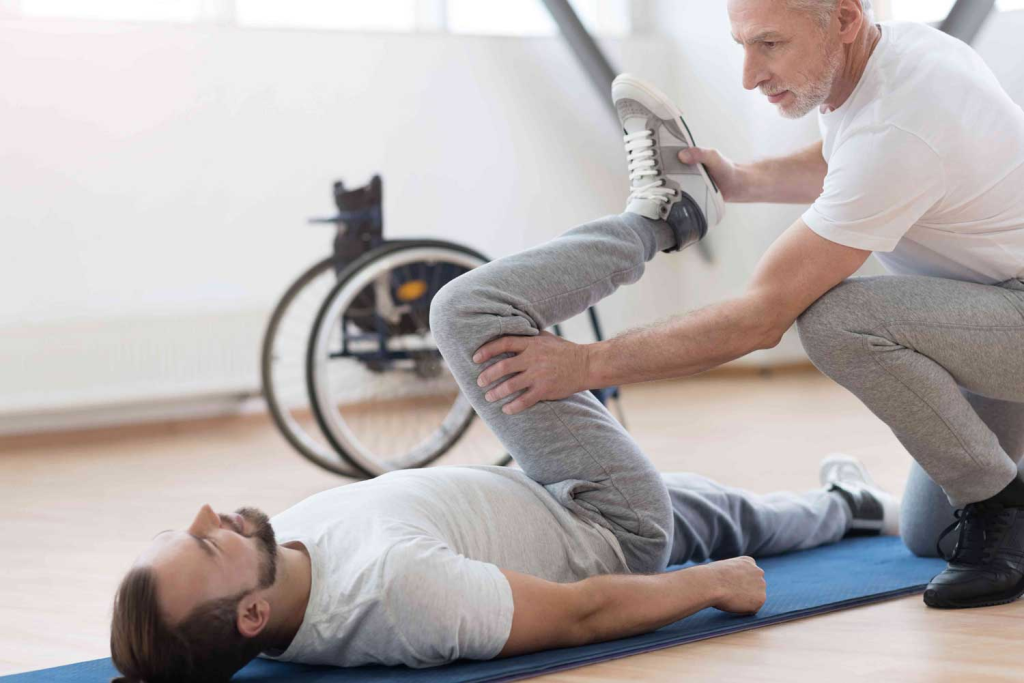
3. Physiotherapy (Most Important for Recovery)
Physiotherapy is the backbone of recovery.
Goals:
- Improve muscle strength
- Restore movement
- Increase flexibility
- Improve balance
Common exercises:
- Walking training
- Arm and leg movements
- Strength exercises
- Balance training
Regular therapy can significantly improve recovery.
4. Occupational Therapy
Helps patients perform daily activities like:
- Eating
- Dressing
- Writing
- Bathing
This improves independence and confidence.
5. Speech Therapy
For patients with speech problems:
- Improves communication
- Helps in swallowing issues
- Restores speech clarity
6. Medications
Doctors may prescribe:
- Blood thinners
- Muscle relaxants
- Pain relief medicines
These help in preventing further complications.
7. Assistive Devices
Devices help patients regain mobility:
- Walking sticks
- Wheelchairs
- Braces
- Support tools
8. Lifestyle Changes for Recovery
Healthy habits:
- Balanced diet
- Regular exercise
- Avoid smoking
- Control blood pressure
- Manage diabetes
Recovery Timeline After Stroke Paralysis
Recovery depends on individual condition.
General timeline:
- First 3 months – Maximum recovery
- 6 months – Continued improvement
- 1 year – Long-term recovery
Early treatment leads to better outcomes.
Role of Neuroplasticity in Recovery
The brain has the ability to heal and adapt.
- Healthy brain areas take over damaged parts
- Repeated exercises improve function
- Continuous therapy strengthens recovery
Can Paralysis Be Fully Recovered?
Recovery depends on:
- Severity of stroke
- Early treatment
- Consistent therapy
Many patients recover partially or fully with proper care.
Why Choose CVIC Indore?
CVIC Indore is one of the leading centers for stroke and paralysis treatment.
Key advantages:
- Advanced non-surgical treatment
- Experienced doctors
- Modern technology
- Faster recovery methods
Specialists like Dr. Shailesh Gupta and Dr. Nishant Bhargava provide expert care for neurological conditions.
Also Read: Stroke Treatment in Indore: Endovascular Thrombectomy & Expert Care
Prevention of Stroke (Avoid Paralysis)
Control risk factors:
- High blood pressure
- Diabetes
- Cholesterol
- Smoking
Healthy lifestyle:
- Exercise regularly
- Eat healthy food
- Reduce stress
Myths vs Facts
| Myth | Fact |
|---|---|
| Paralysis cannot be cured | Many patients recover with therapy |
| Only old people get stroke | Young people can also get stroke |
| Rest is best | Active rehabilitation is necessary |
| Surgery is always needed | Non-surgical treatments are available |
FAQs
1. What is the best treatment for paralysis after stroke?
Combination of emergency treatment, physiotherapy, and advanced neuro-intervention.
2. Can paralysis be reversed?
Yes, with early treatment and proper therapy.
3. How long does recovery take?
It varies from months to years depending on condition.
4. Is physiotherapy necessary?
Yes, it is the most important part of recovery.
5. Where should I get treatment?
You can consult experts at CVIC Indore.
Conclusion
Paralysis after stroke can be life-changing, but with the Best treatment for paralysis after stroke, recovery is possible. Early diagnosis, advanced medical care, and consistent therapy play a crucial role in improving outcomes.
At CVIC Indore, specialists like Dr. Alok K Udiya, Dr. Shailesh Gupta, and Dr. Nishant Bhargava are dedicated to helping patients regain mobility and live a better life.
Don’t ignore stroke symptoms. Early action can prevent paralysis and save lives.